

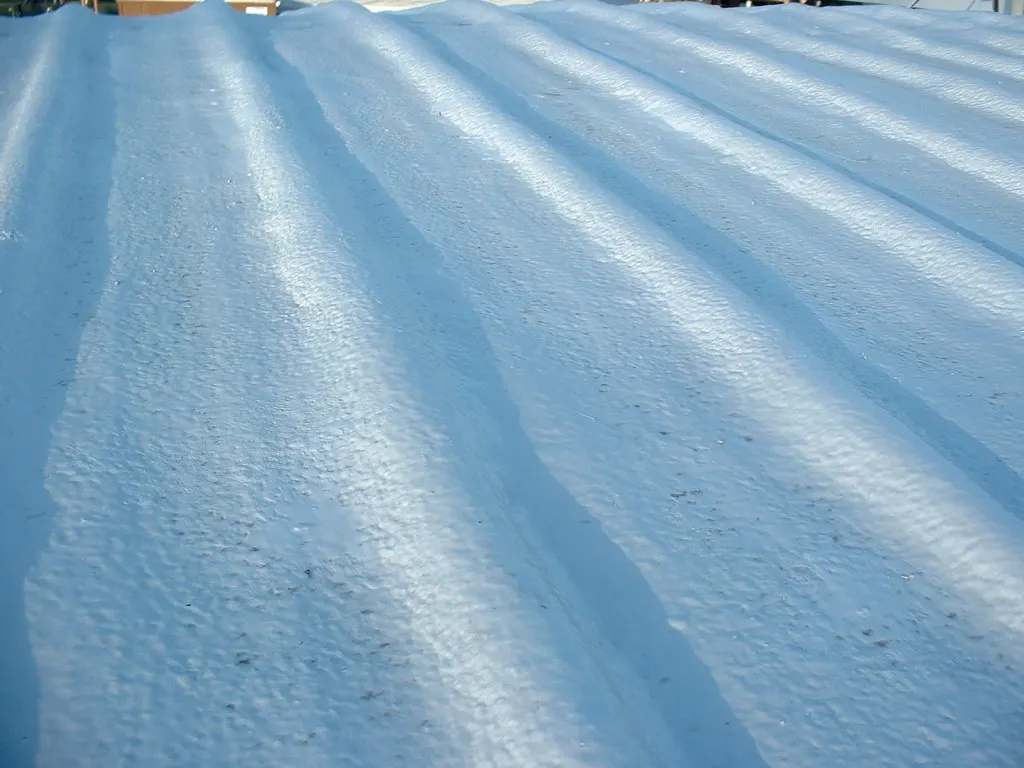
You stop small spray foam roof problems from getting worse by finding them early and sealing them fast. Inspect the roof twice a year and after storms or rooftop service work, keep drains clear, limit foot traffic, and patch any spot where bare foam shows with a coating that matches the original. Once sunlight hits exposed foam, the damage speeds up.
A foam roof works as a two-layer system. If one layer fails, the other starts failing soon after.
The foam insulates and sheds water, and the elastomeric coating on top shields it from sun and wear. Foam on its own handles UV poorly, so any break in that coating is where trouble starts.
Spray Foam Magazine reports that once a pinhole or scuff exposes the foam, UV damage begins right away, the foam turns brittle within weeks, and heat and cold cycles can crack it within months. Water follows, which lowers insulation value and can spread sideways under the roof.
That’s why timing matters more than size. A small coating gap is a quick patch this month. Left for a season or two, the same spot may need wet foam cut out and rebuilt.
Most foam roof damage starts as something easy to miss from the ground. Here’s what we look for and what each problem tends to turn into.
| Problem | What It Looks Like | If Ignored |
|---|---|---|
| Pinholes and punctures | Tiny holes near equipment or walk paths | Water and UV reach the foam |
| Worn or thin coating | Faded, chalky spots or bare foam | Foam turns powdery and weak |
| Cracks and splits | Thin lines at edges and penetrations | Widen with temperature swings |
| Blisters | Raised, soft or spongy bubbles | Often signal trapped moisture |
| Ponding water | Puddles that linger after rain | Wears the coating faster |
| Clogged drains | Leaves, nests or debris at outlets | Backs water onto the roof |
Inspection schedules differ a little by source, but they all agree on one thing: don’t wait for a leak.
The Spray Polyurethane Foam Alliance recommends inspecting SPF roofs twice a year and after severe weather. Industry guidance reported by Spray Foam Magazine sets once a year as the minimum, with extra checks after hail, high winds, long rainy spells and any work on rooftop equipment. We follow the stricter schedule: spring, fall, and after every storm or service visit.
A professional SPF roof inspection goes beyond a quick look. It covers coating thickness, adhesion, drainage, flashing, transitions and penetrations. That steady rhythm makes early roof damage detection routine instead of a reaction to a stained ceiling.
Most spray foam roof damage prevention is simple housekeeping. These steps cost little and catch the problems that grow fastest.
Good spray foam roof maintenance doesn’t need special equipment. It needs consistency.
Small repairs are usually quick when they’re caught early. The goal is to get back to sound foam and use a product that bonds with what’s already on the roof.
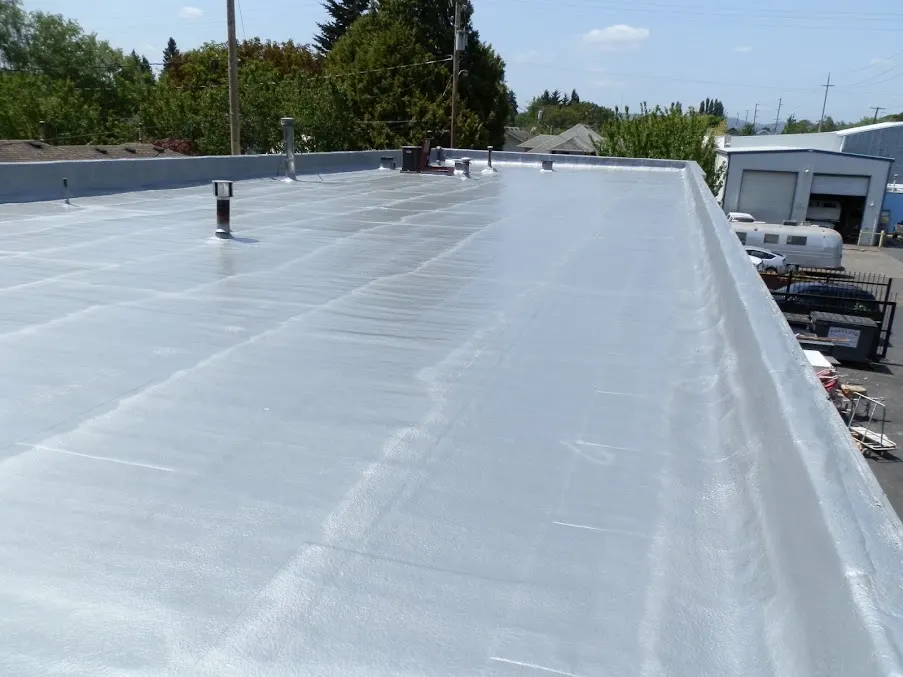
Blisters are a different story. They often point to moisture under the surface, so the source has to be found before the foam is cut out and rebuilt. Covering a wet blister with caulk only hides the problem.
If you’ve spotted bare foam, cracks, blisters or standing water, now is the cheapest time to deal with it. At Spray-On Foam & Coatings, we inspect spray foam roofs, explain what we find in plain terms, and handle spray foam roof repair and recoating. We offer free quotes, so you’ll know the cost before any work starts. Call (360) 667-1993 or email [email protected] to set up a visit.
In most cases, yes. Foam roofs can be patched and recoated many times. With regular care, SPFA says a spray foam roof is expected to last 40 years or more. Replacement usually comes up only when large areas of foam are wet or badly degraded.
Small punctures can sometimes be sealed by an owner, but it’s easy to get wrong. The damaged foam has to be cut back to a clean, dry surface, and the sealant must match the roof’s coating. A pro check makes sure nothing deeper is going on.
Not always. Closed-cell foam often holds water in the hole instead of letting it travel. But a puncture that goes all the way to the substrate creates a possible leak path, and exposed foam starts breaking down in the sun, so don’t wait.
Many SPF systems need recoating every 10 to 15 years, depending on the coating type and thickness. The roof’s actual condition at inspection matters more than the calendar. Worn, thin or chalky coating is the signal to plan a recoat.
Yes. Hail can dent the foam or crack the coating. If only the topcoat is damaged, a compatible coating over those areas usually fixes it. If foam is exposed, it should be repaired right away to prevent UV damage.