

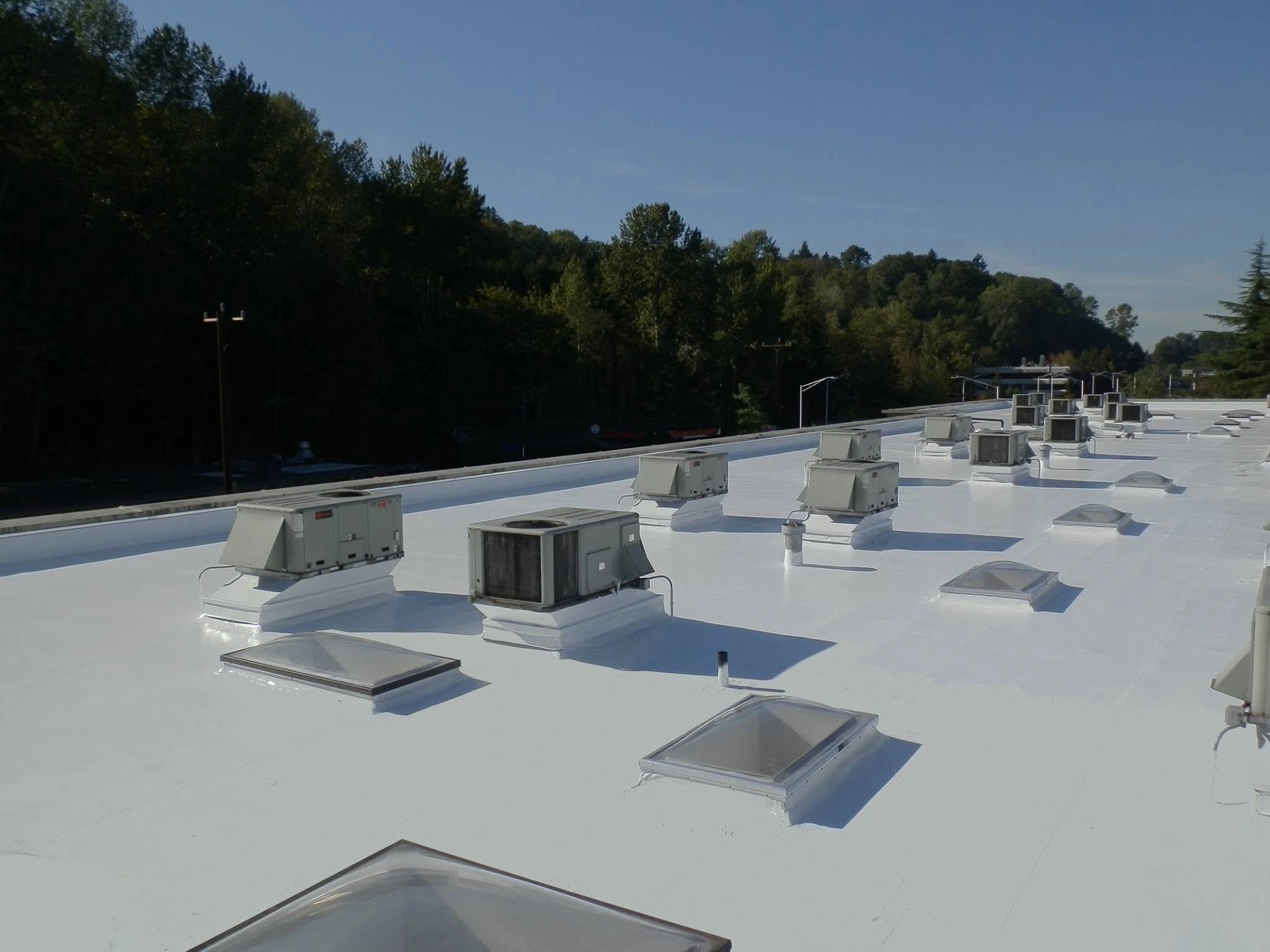
To prevent a repaired spray foam roof from leaking again, find the real reason it leaked, fix that cause, and then protect the coating with regular checks and timely recoating. Most repeat leaks come from thin coating, ponding water, weak flashings, or small damage nobody caught.
Quick fixes often treat the symptom. If nobody finds the cause, the same weak spot fails again, usually after the next hard rain.
Foam hides trouble for a long time. The foam is a closed cell, so water doesn’t travel far sideways. The hole usually sits right above the leak, though water can follow structural members down-slope, according to Buildings. That also means a roof can wear for years before the first drip.
These are the usual repeat offenders:
A spray foam roof solution is the cheapest protection you can buy. It turns a possible tear-off into a small coating touch-up.
Spray Foam Magazine reports that industry standards and manufacturer requirements call for at least one inspection a year. It also calls for extra checks after hail, high wind, long wet spells, or work on rooftop equipment. Look for:
After any repair, check that spot first after the next big rain. If you can’t get on the roof safely, hire someone who can.
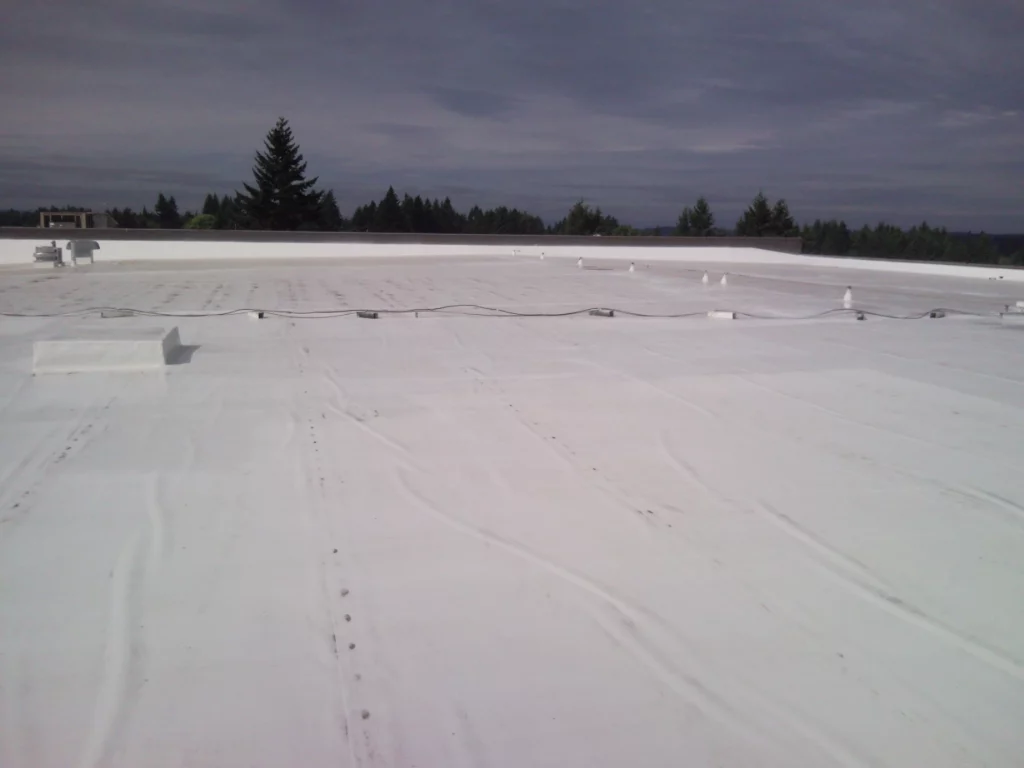
Small habits protect a repair. Spray foam roof maintenance is mostly about keeping the surface clean, dry, and free of abuse.
Clear leaves, branches, and debris at least once a year, because trapped debris can hold moisture against the coating. Keep drains and scuppers open so water leaves the roof. If crews service rooftop equipment often, the Buildings column suggests a walkway made with extra coating and embedded roofing granules.
Ponding needs a real fix. A contractor can build up low spots with extra foam, so water runs to the drains instead of sitting on the roof.
The coating is the roof’s sun shield. Roof coating maintenance matters because bare foam breaks down fast. The Spray Foam Magazine article says exposed foam turns brittle within weeks, can crack within months, and then starts taking on moisture.
The Buildings column puts a typical recoat at every 7 to 10 years, budgeted before pinholing spreads. Treat that as a starting point. Climate, coating type, and wear change the real date, so let your inspections decide. Recoating early usually costs far less than replacing saturated foam.
SPF roof repair works best when the fix matches the original system. Wrong materials and shortcuts are why many patches fail.
Spray foam roof leak prevention comes down to a short routine you can repeat every year.
Not sure why your roof leaked, or whether the repair will hold? Spray-On Foam & Coatings offers free quotes. Tell us where it leaked and what was done, and we’ll talk through your next step.
Call us at (360) 667-1993 or email [email protected].
It’s a poor bet. Bituminous mastics and duct tape don’t hold up on foam roof openings. Two-component foam kits work much better, followed by a compatible coating.
Choose a foam contractor. Foam is nearly impossible to remove neatly, so the surface rarely ends up smooth enough for a single-ply or bituminous membrane.
Healthy foam usually looks like an orange peel. If it looks like scrambled eggs, or foam is exposed, recoating is overdue.
If records are missing, a coating manufacturer that serves the foam industry can identify it. A simple infrared test needs only a couple of square inches of material.
We’d advise against it. A full recoat usually includes power washing, repairing cuts and blisters, and applying coating at the right thickness.