

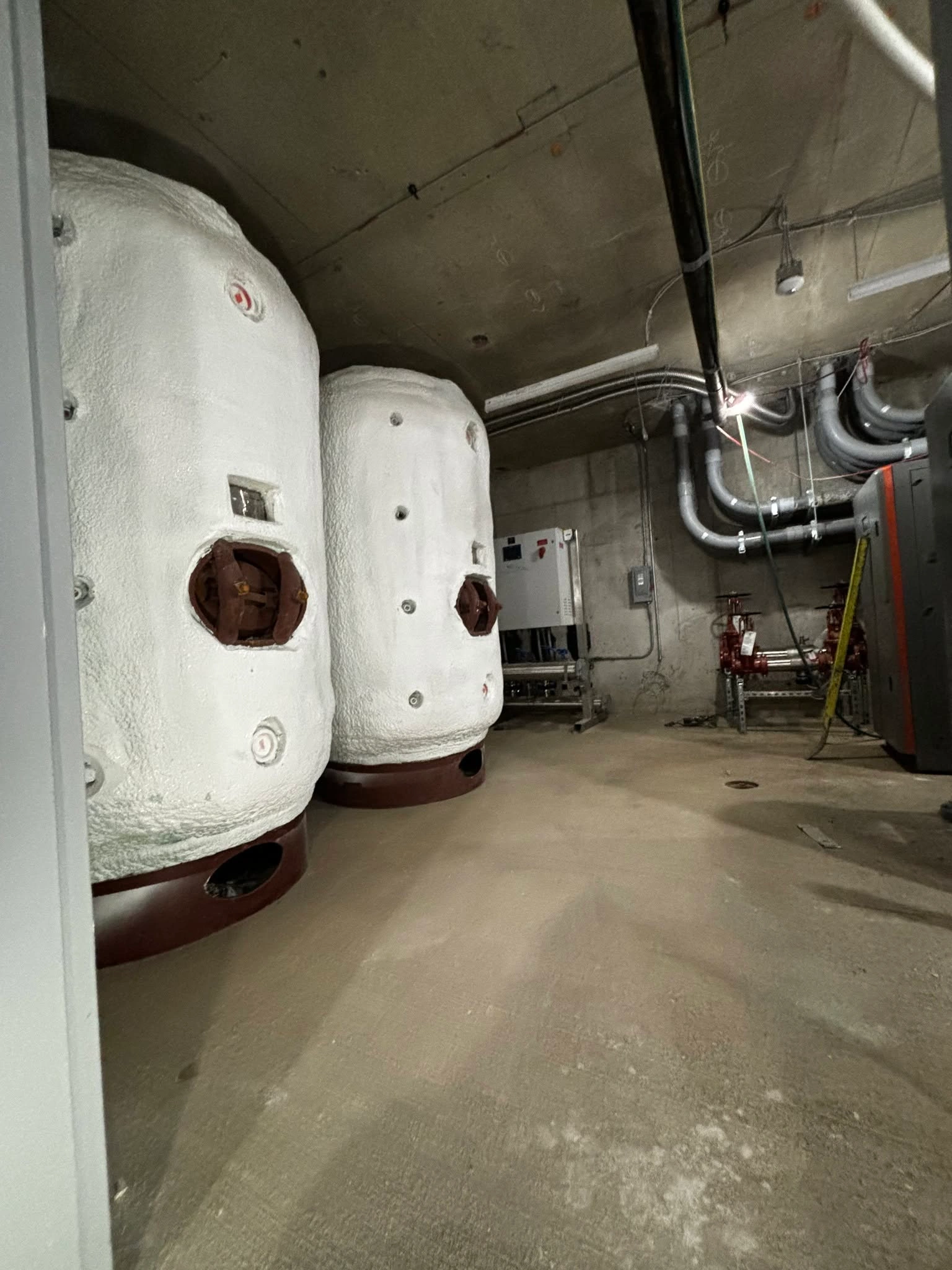
Frozen tanks, including septic tanks, water storage tanks, and pump stations, are a recurring problem for property owners in Battle Ground, WA during winter months. The primary causes are prolonged subfreezing air temperatures, lack of snow cover as natural insulation, compacted soil, irregular water use, and slow trickle flows from leaking fixtures that allow ice to form inside pipes and tanks. Proper insulation, particularly closed-cell spray foam applied directly to tank surfaces and surrounding infrastructure, prevents freezing by creating a continuous airtight thermal barrier that maintains temperatures above 32 degrees Fahrenheit regardless of external conditions. Understanding the specific risk factors in the Battle Ground climate helps property owners take the right preventive steps before winter arrives.
Battle Ground sits in Clark County at an elevation of roughly 276 feet, where winters are cold and wet with average low temperatures hovering right at the freezing mark from December through February. According to US Climate Data, the average December low is 33 degrees Fahrenheit and January lows average 33 degrees as well, meaning overnight temperatures routinely dip to or below 32 degrees. The area receives approximately 45 inches of annual precipitation, with winter being the wettest season. While average annual snowfall is minimal at about 1 inch, the combination of wet ground, cold air temperatures, and periodic freezing rain or light snow events creates conditions where frost can penetrate the soil and reach shallow-buried tank components.
The frost depth in Washington State averages around 24 inches statewide, meaning tanks and pipes buried at shallow depths are well within the zone where ground temperatures can drop below freezing during extended cold periods. When frost penetrates the soil surrounding a septic tank, water storage tank, or pump station, the contents inside are at direct risk of freezing, particularly when the system receives little warm wastewater inflow from the home.
Frozen tanks do not happen without reason. Multiple environmental and behavioral factors converge to create conditions where ice forms inside tanks, pipes, and drainfield components. Based on research from the North Dakota State University Extension Service, the University of Minnesota Onsite Sewage Treatment Program, and the Minnesota Pollution Control Agency, the following are the most common causes:
Lack of snow cover. Fresh snow is an excellent natural insulator. Ten inches of fresh, fluffy snow provides roughly the same insulating value as six inches of fiberglass insulation. When winters deliver cold temperatures without adequate snow accumulation, frost penetrates deeper into the ground and reaches buried tank components.
Irregular or low system use. When a home is vacant for extended periods or occupied by just one or two people, the volume of warm wastewater entering the tank drops significantly. Without regular warm water inflow, tanks and pipes lose their primary source of heat and become susceptible to freezing.
Leaking plumbing fixtures and furnace condensate. Toilets, faucets, and showerheads that leak send a slow, thin trickle of water into the sewer line. According to NDSU Extension, this thin film of water can freeze inside the pipe and progressively build an ice dam until the pipe is completely blocked. High-efficiency furnaces that discharge condensate into the septic system create the same trickle-freeze problem.
Pipes with improper slope or sagging. Sewer pipes that lack adequate fall or develop low spots from soil settling allow water to collect rather than drain freely. Standing water in a pipe exposed to subfreezing ground temperatures will freeze solid.
Compacted soil or snow. Driving vehicles, operating ATVs, or allowing livestock over the septic system or tank area compacts the soil and snow above it. Compacted snow loses its insulating air pockets and allows frost to penetrate faster and deeper than undisturbed snow would.
Open or broken risers and manhole covers. Uncapped inspection pipes, broken risers, or unsealed manhole covers allow cold air to enter the system directly, dropping temperatures inside the tank and creating freeze points at the openings.
New systems with bare soil. A newly installed septic system or water tank where vegetative cover has not yet been established is especially vulnerable during its first winter. Disturbed soil lacks the insulating properties of established grass cover, and frost penetrates more aggressively.
Insulation works by resisting the transfer of heat between the warm interior of a tank and the cold external environment. When applied correctly, insulation slows the rate of heat loss enough to keep tank contents above 32 degrees Fahrenheit even when surrounding ground temperatures drop below freezing.
The Minnesota Pollution Control Agency recommends placing a layer of mulch 8 to 12 inches thick over pipes, tanks, and soil treatment areas. While effective as a temporary measure, organic mulch decomposes, absorbs moisture, and requires annual replacement. Permanent insulation solutions eliminate this recurring maintenance burden.
InspectAPedia, an established building and environmental encyclopedia, notes that permanent freeze protection for septic tanks and water storage tanks in cold climates is best achieved with solid closed-cell foam insulating blocks covered with backfill. The encyclopedia specifically advises against using fiberglass or any insulation that absorbs water, since water-saturated insulation becomes a block of ice and loses its insulating properties entirely.
Spray foam insulation in Battle Ground, WA offers several distinct advantages for tank freeze protection that other materials cannot match:
Airtight seal. Spray foam expands upon application, filling every crack, gap, and irregular surface on a tank. This eliminates air leakage, which is a primary pathway for heat loss. Traditional batt insulation cannot achieve this seal.
Moisture resistance. Closed-cell spray foam is inherently water-resistant and will not absorb moisture from wet soil. This maintains its R-value year after year, unlike fiberglass or cellulose which lose effectiveness when exposed to moisture.
High R-value per inch. Closed-cell spray foam delivers approximately R-6 to R-7 per inch of thickness, meaning effective freeze protection can be achieved with a relatively thin application. This is especially important when retrofitting existing tanks where space is limited.
Structural adhesion. Spray foam tank insulation bonds directly to tank surfaces and will not shift, settle, or detach over time, even in wet or freezing ground conditions.
| Insulation Material | R-Value Per Inch | Moisture Resistance | Air Sealing | Best Application for Tank Freeze Protection |
|---|---|---|---|---|
| Closed-cell spray foam | 6.0 to 7.0 | Excellent | Complete monolithic seal | Direct tank application, buried applications, retrofit |
| Open-cell spray foam | 3.5 to 4.0 | Low (absorbs moisture) | Complete monolithic seal | Cavity fill only, not for buried or exterior use |
| Extruded polystyrene (XPS) | 5.0 | Good | Panel seams need sealing | Rigid board placement over tanks |
| Fiberglass batts | 2.9 to 3.8 | Poor (absorbs water) | Poor (gaps and voids) | Not recommended for buried tank use |
| Organic mulch/straw | Variable, low | Absorbs and compacts | None | Temporary surface cover only |
Rural properties around Battle Ground often rely on septic systems with tanks buried at varying depths. For these properties, closed-cell spray foam applied directly to the tank exterior before backfilling, combined with insulated riser covers, provides the most dependable freeze protection. If the system is already installed, spray foam can be applied to exposed risers, inspection ports, and manhole covers to seal out cold air.
Properties that sit empty for weeks or months during winter are at the highest risk for tank freezing. Without warm wastewater entering the system, there is no internal heat source. For these properties, we recommend insulating all accessible tank surfaces with closed-cell spray foam, sealing all risers and inspection ports, and ensuring the tank is pumped before extended vacancy if the system design permits it.
Water storage tanks for livestock, fire suppression, or irrigation in outbuildings are frequently exposed to cold air and poorly insulated walls. Closed-cell spray foam applied to both the tank exterior and the building envelope creates a dual layer of protection that keeps water accessible year-round.
Choosing the right insulation professional makes the difference between a system that protects your tanks for decades and one that fails when temperatures drop. Here are the indicators that signal a reliable and qualified contractor:
Spray-On Foam & Coatings has been helping Battle Ground homeowners and property owners protect their tanks, crawl spaces, and buildings from freeze damage using professional-grade closed-cell and open-cell spray foam insulation. Our team evaluates each property individually, considering tank depth, soil conditions, and local weather patterns to recommend the most effective insulation strategy. Whether you need freeze protection for a septic system, water storage tank, or agricultural outbuilding, our experienced crew delivers lasting results.
Request a quote today at [email protected] or call us at (360) 667-1993 to discuss your tank insulation needs. You can also schedule a free on-site assessment so we can evaluate your property and recommend the right approach before the next freeze cycle arrives.
Request a Free Quote | Schedule an On-Site Assessment
Tank contents begin to freeze when the temperature inside drops to 32 degrees Fahrenheit or below. In occupied homes with regular warm wastewater flowing into the tank, internal temperatures generally stay well above freezing. The risk increases significantly in vacant homes or during extended cold periods without snow cover.
Yes. Freezing can crack tank walls, damage baffles, burst pipes, and disrupt the soil treatment area. Once a tank freezes and thaws, the structural components should be inspected for cracks and the baffles verified as intact before resuming normal use.
Closed-cell spray foam is water-resistant and suitable for below-grade applications when applied per manufacturer specifications. It should not absorb groundwater or lose its R-value when buried beneath soil cover, unlike fiberglass or other moisture-absorbing materials.
Prevention is far less expensive and disruptive than emergency thawing and repairs. If your tank is buried at a shallow depth, your property experiences periods of minimal snow cover, or your system receives low or irregular use, adding insulation proactively reduces the risk of a first-time freeze event.
The appropriate thickness depends on the tank depth, local frost line, and expected winter temperatures. Closed-cell spray foam at R-6 to R-7 per inch means even a 2-inch application provides R-12 to R-14 of thermal resistance. A professional assessment of your specific conditions will determine the correct thickness for reliable protection.