

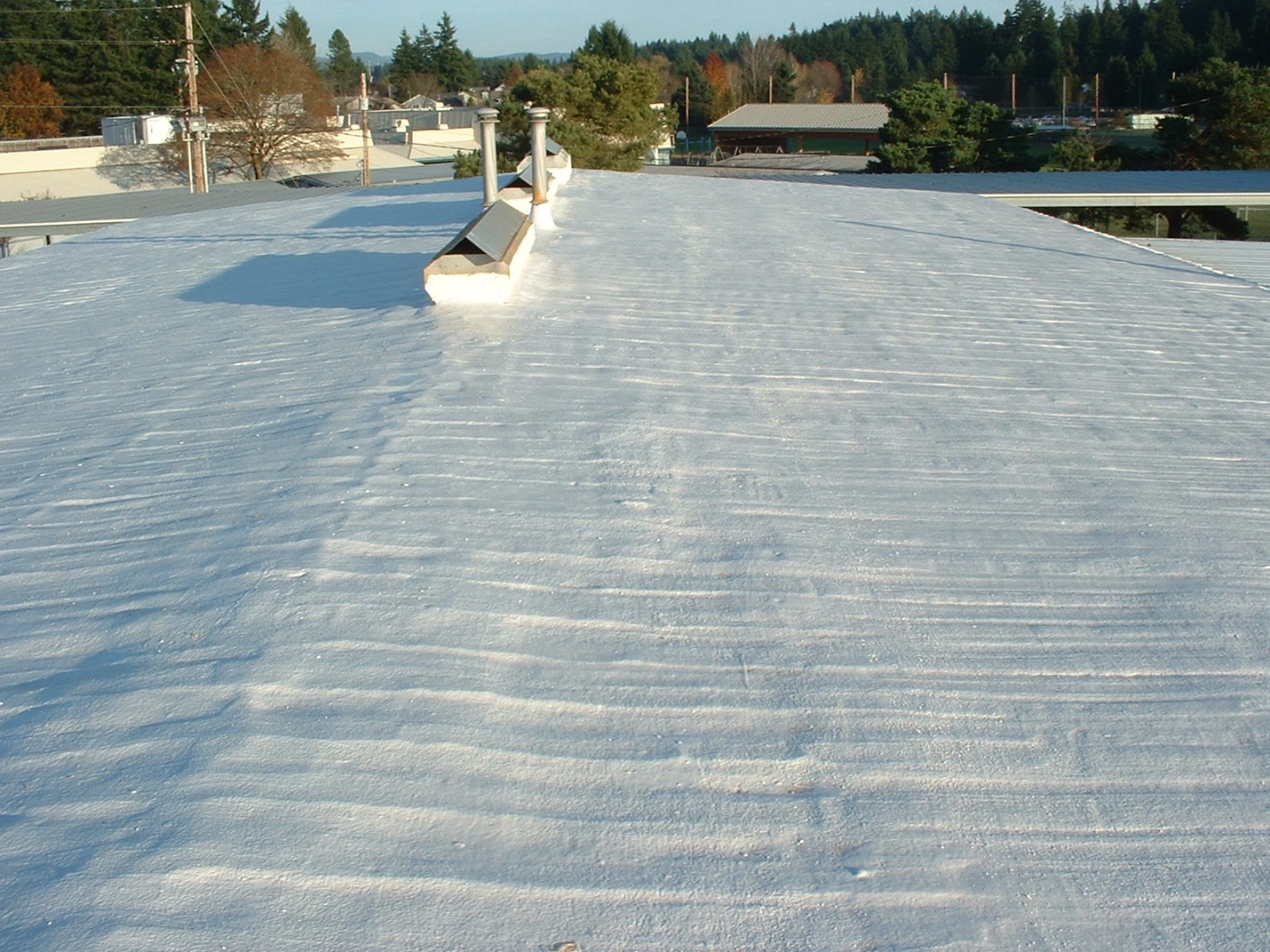
Wet weather affects flat roofs in Woodland, WA mainly through standing water, clogged drains, and soaked insulation under the membrane. Flat roofs shed rain slowly, so a small weak spot can turn into a leak after weeks of steady rain. Catching ponding and drain problems early keeps a minor repair from becoming a tear-off.
A pitched roof sheds rain fast. A flat roof doesn’t, so every inch of rain gets more time to find a weak spot. Woodland’s long rainy season gives it plenty of chances.
According to Plantmaps, Woodland averages roughly 4 to 7 inches of rain a month from October through April, topping 6 inches in November, December, and January. July averages under half an inch. Plantmaps also lists 50 to 75 frost days a year, so cold snaps add freeze-thaw stress on top of the soaking.
Rain rarely wrecks a flat roof in one storm. It works slowly, and the damage usually starts in four places.
Water still sitting on the roof 48 hours after rain is the red flag. Professional Roofing, the National Roofing Contractors Association’s magazine, says short-term ponding is acceptable, but water that stays past 48 hours can harm the roof system. Gaco adds that ponding can make a roof deck deflect, which deepens the dip and holds even more water next time.
Drains and scuppers only work when they’re open. Gaco notes that leaves, branches, and mud clog them and stop water from leaving the roof. Even clear drains can fall behind in a downpour, and backed-up water sits against flashing and seams.
Standing water grows algae and vegetation that can damage the membrane. Gaco also says repeated freezing and thawing of ponded water can damage most flat roof types.
Once the membrane breaks, water can soak the insulation below. Wet insulation loses much of its insulating value, so you may see ceiling stains, a musty smell, or higher heating bills before you ever find the leak.
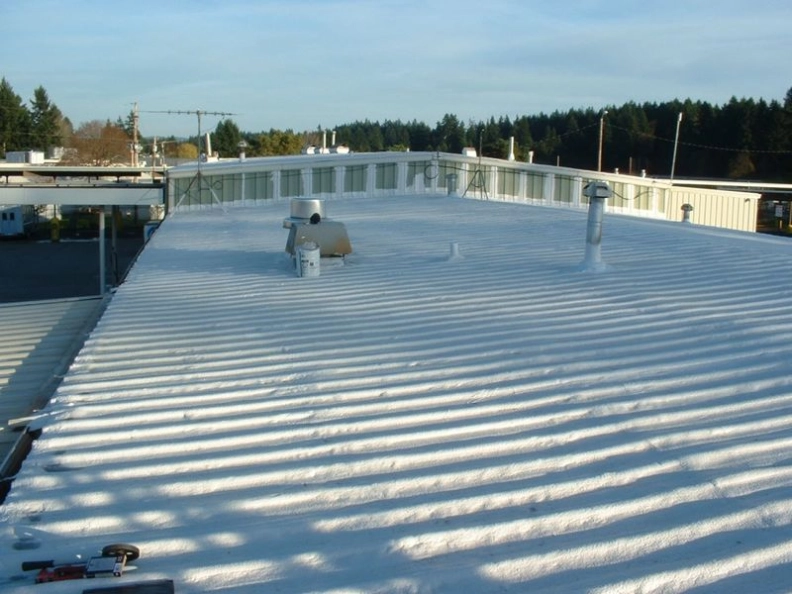
Most wet-season leaks give warning signs first. This checklist takes about an hour and can save a ceiling.
They can help with the biggest wet-weather problem, which is low spots. Spray foam goes on as a liquid and sets into a solid layer with no seams, laps, or fasteners, and a protective coating goes over it.
Professional spray foam roofing lists spray polyurethane foam among the ways to build positive slope over level or uneven surfaces. Gaco says foam can correct deflections and form crickets that move water toward drains. Foam typically needs a dry deck, so timing around the forecast matters.
For flat roofing Woodland WA owners dealing with ponding, foam is one option worth pricing. It won’t fix soaked insulation or a damaged deck, and those parts may need to come out first. At Spray-On Foam & Coatings, we apply spray foam roofing and roof coatings, and we’ll look at your roof before telling you whether foam makes sense.
If water keeps pooling on your roof or you spotted a stain after the last storm, we’ll take a look. Spray-On Foam & Coatings serves Woodland, WA, and the quote is free. Call (360) 667-1993 or email [email protected] and tell us what you’re seeing.
Tarps and emergency patches can slow a leak. Most permanent repairs need a dry surface and a temperature range that suits the material, so ask your roofer which product fits the conditions.
Heavy rain can outrun the drains, and backed-up water finds small gaps that stay dry in light rain. A downpour-only leak usually points to drainage or a small breach, which a roofer can trace.
In most cases, yes, as long as the roof underneath is sound. An inspection confirms that before any foam goes down.
Not from a wet, slippery surface. A fall costs far more than a leak. Clear what you can reach safely from a ladder at the edge, and call a pro for anything that means walking on the roof.
At least once a year, and twice is better: once in early fall before the rains and once in spring after the wet months.