
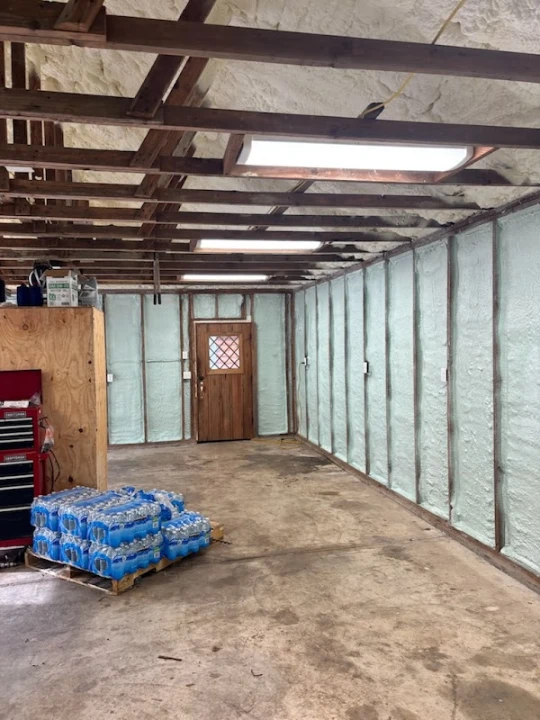
The strong smell that follows a spray foam insulation installation is a direct result of the chemical reaction between the two liquid components (Side A: isocyanates, and Side B: a polyol blend of catalysts, flame retardants, and blowing agents) as they cure into solid polyurethane foam. According to the U.S. Environmental Protection Agency (EPA), this reaction releases vapors, aerosols, and volatile organic compounds that produce the noticeable odor. For most homeowners, following proper re-entry guidelines, the smell diminishes significantly within 24 hours and continues fading over the next several days as the foam finishes curing. Lingering odors beyond that window often point to improper mixing, unfavorable environmental conditions during application, or insufficient ventilation, all of which deserve professional attention.
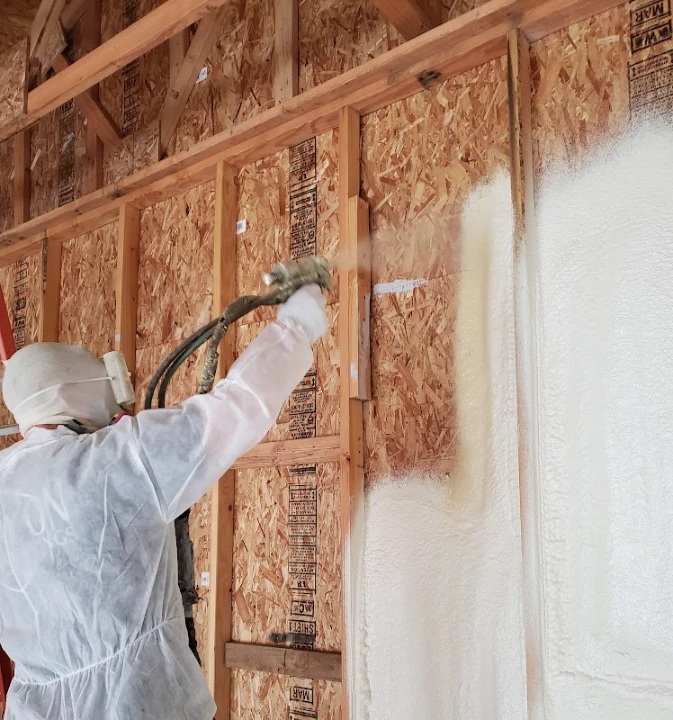
Spray polyurethane foam is created on-site from two separate chemical components that combine at the spray gun nozzle. The EPA explains that this reaction generates vapors, aerosols, and in some cases, dust when the foam is trimmed. The odor homeowners notice comes from several sources within these chemicals:
Side A (Isocyanates): These highly reactive chemicals are the core ingredient in all polyurethane products. They produce a sharp, acrid smell during application and initial curing. The Occupational Safety and Health Administration (OSHA) notes that isocyanate exposure can irritate skin and mucous membranes, which is why proper protective equipment and ventilation during application are non-negotiable.
Side B (Polyol Blend): This side contains amine catalysts, flame retardants, blowing agents, and surfactants. Amine catalysts are particularly notable for producing a sweet or fishy odor that many homeowners describe as distinct and unmistakable. Some flame retardants used in SPF formulations can also contribute to lingering smells if the foam does not cure completely.
Improper Mixing: When the two sides do not mix in the correct ratio, unreacted chemicals remain trapped in the foam. These continue off-gassing well beyond the normal curing window, producing persistent odors that are not typical of a properly installed application.
Curing is not a single event but a process that unfolds over hours. The foam may feel dry and tack-free within seconds or minutes, but the internal chemical reaction continues long after the surface appears solid.
| Phase | Timeline | What Happens | Odor Level |
|---|---|---|---|
| Initial Cure | 5 to 30 minutes | Surface becomes tack-free and expands to full thickness | Very strong, sharp chemical smell |
| Primary Off-Gassing | 2 to 24 hours | Core chemical reaction continues, and vapors are released steadily | Strong, noticeable throughout the building |
| Secondary Curing | 24 to 72 hours | Foam approaches full cure, VOC emissions drop sharply | Moderate, fading, mostly near the application area |
| Full Cure | 72 hours to 7 days | The chemical reaction is essentially complete | Faint or undetectable for properly applied foam |
| Extended Off-Gassing | Beyond 7 days | Only occurs with improper mixing or environmental issues | Should not happen in a correct installation |
The EPA notes that some manufacturers recommend 24 hours for re-occupancy, but this can vary based on product formulation, foam thickness, temperature, humidity, and ventilation. The actual curing rate is not a fixed number. It depends on real conditions at the job site.
Temperature and humidity play a direct role in the speed of the chemical reaction. Warm conditions (roughly 70 to 85 degrees Fahrenheit) with moderate humidity allow the foam to cure faster and more completely, which means odors dissipate sooner. Cold or very humid conditions slow the reaction, extending both the curing time and the period during which off-gassing occurs. This is one reason our team evaluates environmental conditions carefully before every project.
Thicker applications require more curing time. A two-inch layer of closed-cell foam takes longer to fully cure through its entire depth than a thin pass. If foam is applied too thick in a single pass, the outer surface can cure while the interior remains reactive, trapping volatile chemicals that slowly release over days or weeks.
After installation, ventilation is the primary method for clearing residual vapors from the building. The CPSC consumer fact sheet recommends that buildings be adequately ventilated and thoroughly cleaned before re-occupancy. Fans, open windows, and HVAC systems all help move chemical vapors out of the space. Tighter, more air-sealed homes (which spray foam actually creates) can hold onto odors longer without active ventilation.
Open-cell and closed-cell foams have different chemical densities and blowing agents, which affect both the intensity and duration of post-installation odor. Closed-cell foam, which we install most frequently, tends to off-gas longer because of its higher density and the additional blowing agents required to achieve its structural properties.
Not all post-installation odor is normal. Here is how to tell the difference between expected off-gassing and a problem that needs attention:
Normal odor: Sharp chemical smell that starts strong within the first few hours, fades noticeably after 24 hours, and becomes faint or undetectable within three to seven days. You should be able to stay in the home without respiratory discomfort after the recommended re-occupancy period.
Abnormal odor: A sweet, fishy, or rotting smell that persists beyond one week, gets worse over time, or triggers headaches, throat irritation, coughing, or wheezing. This type of odor is commonly linked to improper chemical mixing or incomplete curing, where unreacted Side B chemicals (particularly amine catalysts) continue releasing into the air.
If you notice persistent or worsening odors, the NIOSH recommends seeking medical attention if you experience breathing problems and working with your contractor to identify the source. In some cases, an independent indoor air quality consultant can test your home to determine whether the foam is still off-gassing or whether the issue stems from chemical residues that migrated to surfaces during installation.
Our team follows a structured process to manage odor and protect occupants throughout every spray foam project:
A proper spray foam installation should result in a temporary odor that follows a predictable fading curve. Here is how you know the work was done correctly:
At Spray-On Foam & Coatings, we walk every customer through what to expect before, during, and after the job. We believe informed homeowners make better decisions, and we never rush the curing or ventilation process to save time.
Understanding spray foam odor and the curing process matters, but choosing the right installer is what actually protects your home and your family. At Spray-On Foam & Coatings, our crew follows strict application protocols, environmental monitoring, and re-occupancy guidelines on every project to make sure your insulation performs as expected without compromising air quality. We serve homeowners across the Vancouver, Washington, and Portland, Oregon metro areas with both closed-cell and open-cell spray foam, air sealing, crawl space insulation, and pole barn insulation.
Request a Quote | Schedule a Consultation
Call us at (360) 667-1993 or email [email protected] to discuss your project. We will explain exactly what to expect from the installation process, including odor management, so you can move forward with confidence.
A: During application, vapors from isocyanates and other SPF chemicals can cause respiratory irritation, which is why occupants must vacate during and immediately after installation. Once the foam has fully cured and the space has been ventilated, the material is considered relatively inert and safe for occupancy.
A: General industry guidance and the CPSC recommend vacating the premises for at least 24 hours, though the exact time can vary based on product type, foam thickness, and environmental conditions. Your contractor should provide a specific re-occupancy timeline before the job begins.
A: A properly installed and fully cured application should not produce a noticeable odor after the first week. Lingering smells months later typically indicate improper mixing, incomplete curing, or environmental factors during the original installation, and should be evaluated by your contractor or an indoor air quality professional.
A: Both types produce odor during curing due to off-gassing from isocyanates and amine catalysts. Open-cell foam often produces a sharper initial smell that fades faster, while closed-cell foam can off-gas longer due to its higher chemical density and thicker application requirements.
A: Contact your installer right away to discuss the situation. If the issue is not resolved, the CPSC recommends hiring a qualified indoor air quality consultant to test for residual emissions. You can also file a report through SaferProducts.gov if you believe the foam is the source of a health or safety concern.