

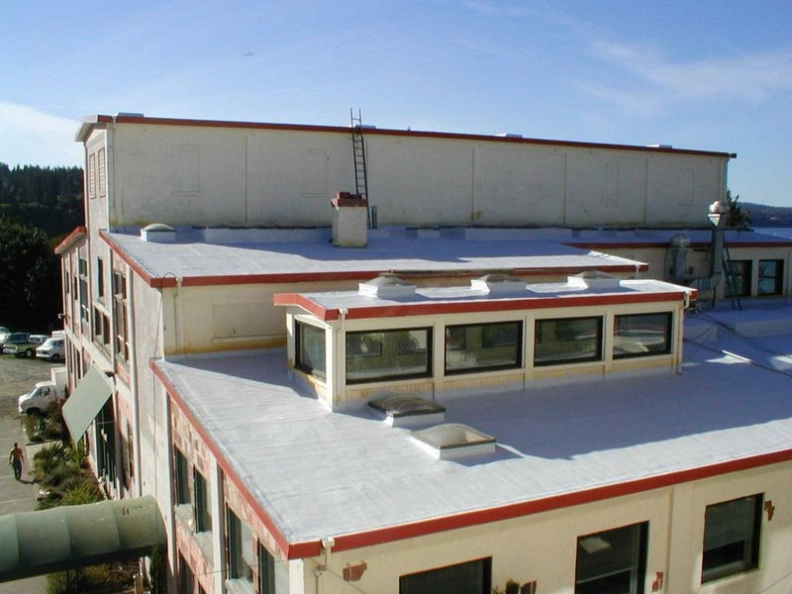
Most professional roof leak repair Albany OR jobs take 2 to 6 hours on site for a simple fix, and one to two days when rotted decking or several leak spots show up. Finding the true source and waiting for a dry window often take longer than the repair itself.
The honest answer depends on what’s leaking and how easy it is to reach. These are typical on-site times for common fixes. Treat them as ranges, not promises.
| Repair type | Typical on-site time |
|---|---|
| Temporary tarp or seal | 1 to 2 hours |
| Sealing a vent, pipe boot, or flashing | 1 to 4 hours |
| Replacing a few damaged shingles | 1 to 3 hours |
| Patching a hole or deck section | Half a day to a full day |
| Several leak spots or a larger section | A few days |
These times cover the work itself. They don’t include the inspection visit or any wait for dry weather.
Most jobs follow the same roof leak repair timeline. Knowing it helps you plan your week and see where delays usually hide.
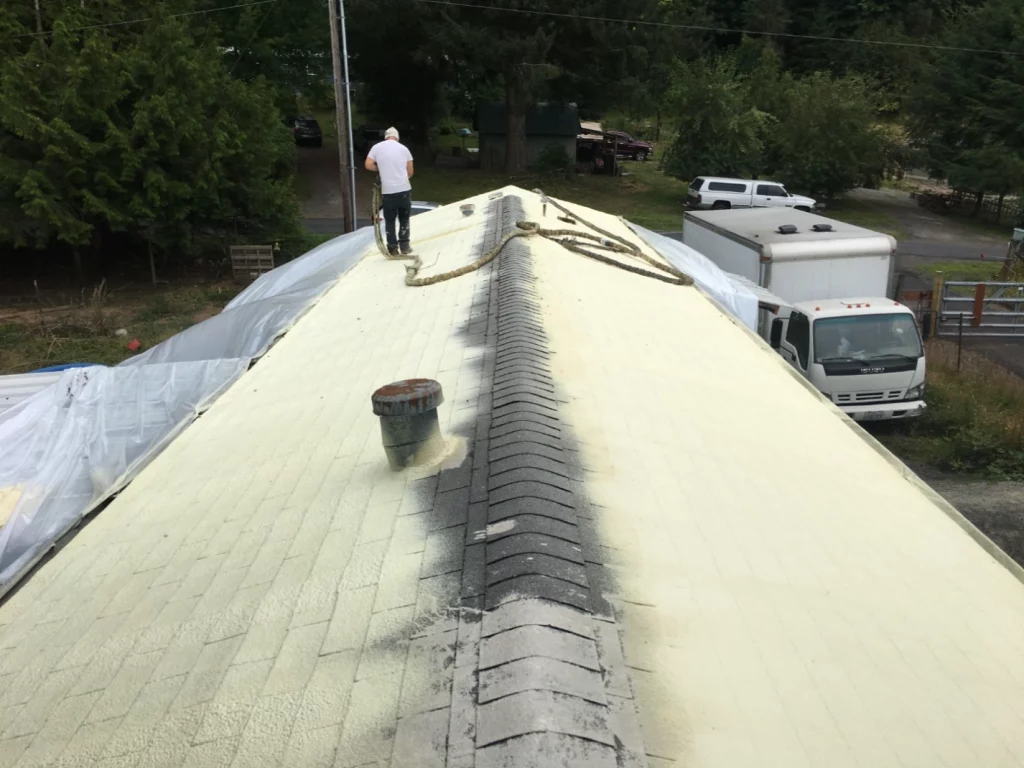
Two leaks that look alike from inside can need very different work. These factors move the clock the most.
Western Oregon rain sets the pace for many repairs, so it helps to know when the dry windows open.
About half of a Willamette Valley year’s precipitation falls from December through February, according to the Oregon State University Oregon Climate Service, with very little in summer. That matters because many repair coatings and foam products need a dry roof. The GAF acrylic quick spec for coatings over spray foam in Albany, OR calls for a clean, dry roof, 50°F and rising, and no rain, dew, fog, or freezing temperatures in the forecast for eight hours.
For example, a three-hour repair in July might stretch across a week of waiting in January. Your crew will plan around those windows.
Emergency roof leak repair is about stopping water first and finishing the permanent fix second. Active drips, water coming through a ceiling, or storm-lifted shingles usually qualify.
The first visit often puts a temporary cover or seal over the opening, which can take an hour or two. The permanent repair follows once the roof is dry and materials are ready. That might be the same day or a few days later. When a roofer says “same day,” ask whether that means a callback, a temporary cover, or a finished repair.
A little prep saves real time on site.
If water is getting in and you want a straight answer on timing, we’re happy to look at it. Spray-On Foam & Coatings offers free quotes in Albany, OR. Call us at (360) 667-1993 or email [email protected] to book your free quote.
A tarp is a short-term cover. It can stay while it’s intact and no water is getting under it, but wind and sun wear it down. Book the permanent repair as soon as the roof is dry.
Waiting is a gamble. Leaks don’t fix themselves, and costs tend to climb the longer water gets in. The next heavy rain can turn a small stain into wet insulation and drywall.
Roof age, how far moisture has spread, and the condition of the decking decide it. A roofer can check these during the inspection. A replacement is a bigger job, measured in days instead of hours.
Wet insulation and drywall can keep releasing water for a while after the roof is sealed. A second leak point could also be hiding. If drips return after the next dry spell and rain, call the crew back.
We don’t recommend it. Climbing a wet roof is risky, and a quick patch can cover the wrong spot while the real opening keeps leaking. DIY fixes often lead to bigger repairs later.