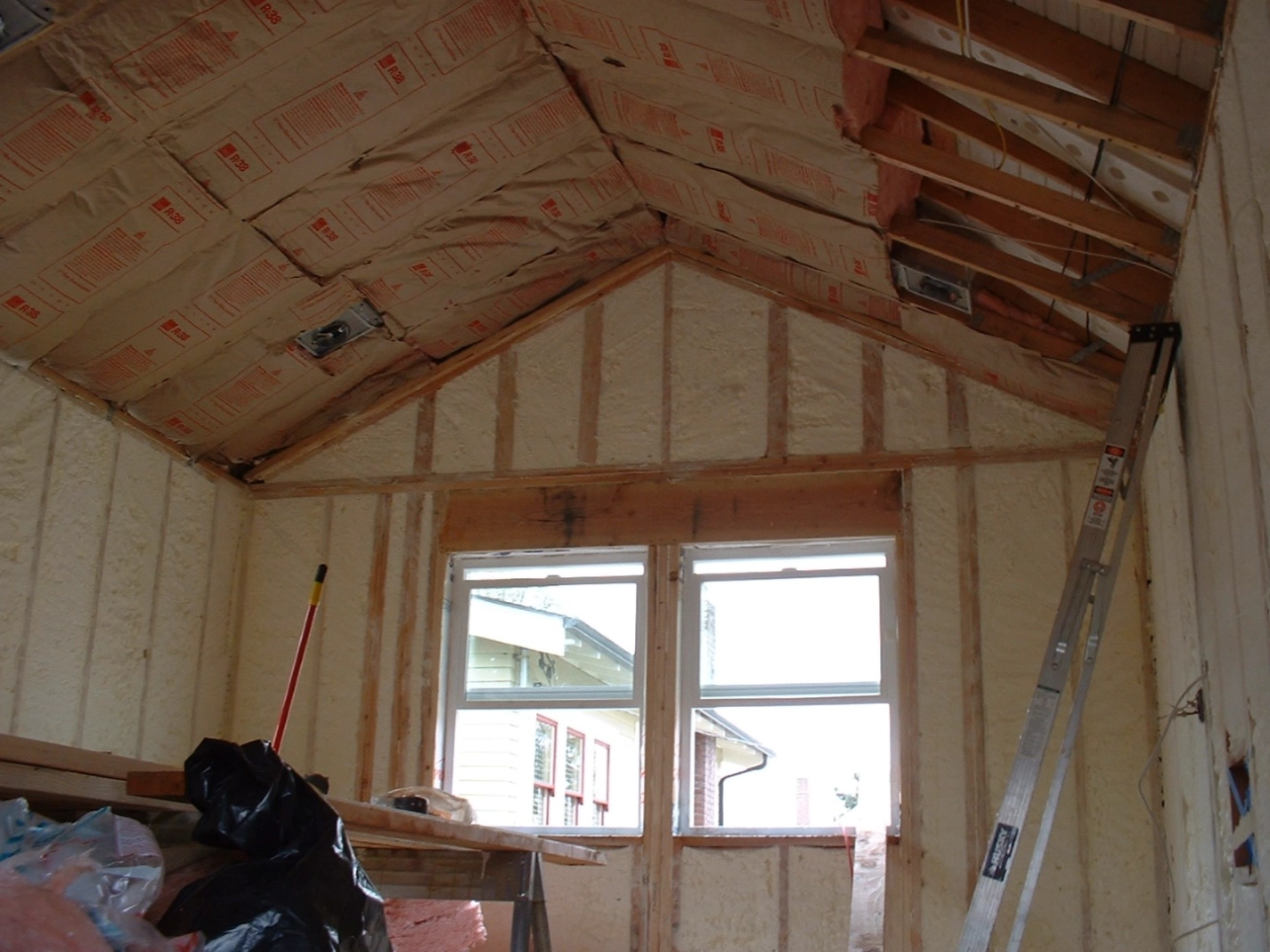
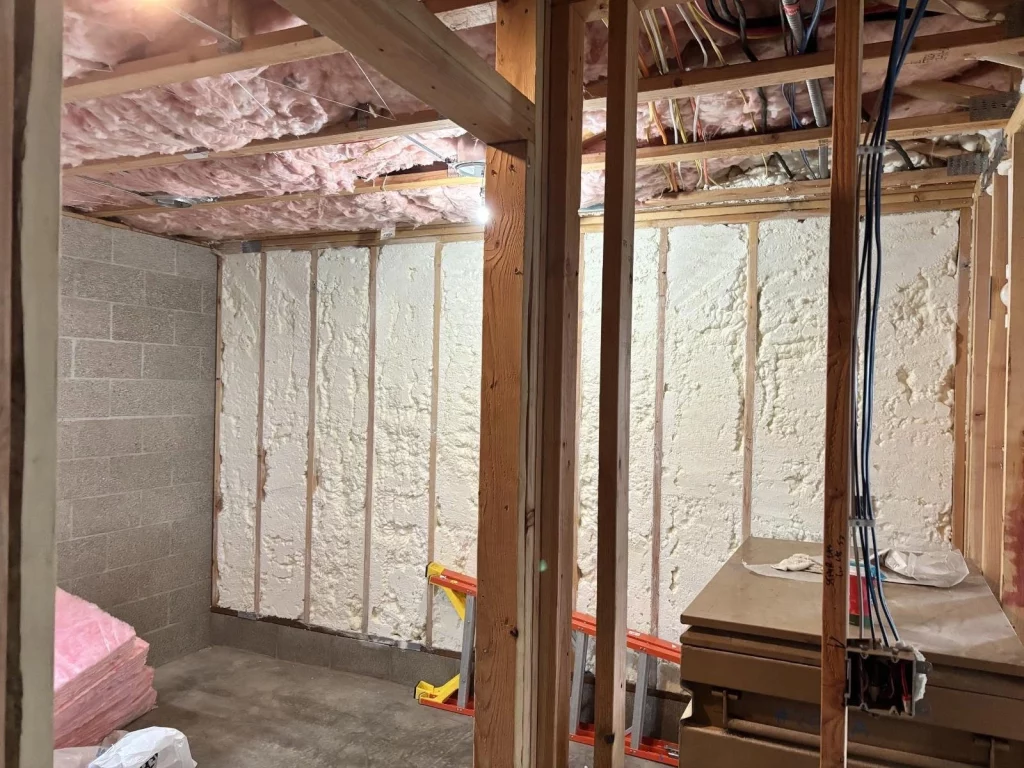
How Long Does Residential Insulation Last Before It Needs Replacement?
Nick Urban
November 17th, 2026
Insulation often lasts for decades if it stays dry and undisturbed, so there’s no fixed expiration date. The residential insulation lifespan depends on the material, the installation, and any water or pest trouble. Wet, moldy, or pest-soiled insulation should be replaced regardless of age, while clean, dry insulation can stay.
TL;DR:
Water and pests shorten insulation life fastest.
Dry, clean insulation rarely needs replacing.
Wet, moldy, or contaminated material has to come out.
What Decides How Long Insulation Lasts?
Insulation doesn’t wear out on a calendar. It fails because of what happens around it, and four things drive most of that.
Moisture: Roof leaks, ice dams, and trapped vapor soak insulation. The DOE Guide to Durable Attics says wet insulation loses its effectiveness, and damp spots near the eaves can signal water getting in.
Pests: Mice, squirrels, and birds nest in insulation, shred it, and soil it with waste.
Compression and Settling: Squashed insulation won’t deliver its full rated R-value, according to the Oak Ridge National Laboratory insulation fact sheet. Loose-fill can also settle over time.
Installation Quality: Gaps, thin spots, and missed corners leave weak points from day one.
Published lifespan numbers vary a lot from one source to the next, and we couldn’t find a government standard that sets a firm figure. That’s why we’d rather look at condition than age.
Once you have damaged home insulation, its age stops mattering. For example, a ten-year-old batt that got soaked can fail long before a forty-year-old one that stayed dry.
What Warning Signs Should You Look For?
Your house usually tells you before the insulation quits. Most clues show up in how the place feels, what you pay, and what you see in the attic.
These insulation replacement signs deserve a closer look:
Uneven Temperatures: Some rooms run hotter or colder than the rest.
Drafts: Cold air creeps in near walls, ceilings, or floors.
Higher Bills: Energy costs climb even though your habits haven’t changed.
Musty Smells: A damp odor often points to moisture or mold.
Visible Damage: Stained, flattened, or crumbling material, droppings, chew marks, or rotted rafters.
Replace, Top Up, or Leave It Alone?
The right call depends on condition, not age. Some insulation can stay put, some only needs more material, and some has to go.
Knowing when to replace home insulation gets easier once you sort problems into those three groups.
Replace: Soaked, moldy, smelly, pest-soiled, or crumbling insulation.
Top Up: Clean, dry insulation that’s simply too thin.
Leave Alone: Dry, even, undisturbed coverage with no comfort complaints.
ENERGY STAR says insulation that’s wet, moldy, smelly, or contaminated with animal waste generally has to be removed before new insulation goes in. Covering it up just traps the problem.
What Happens During a Replacement?
A proper replacement is more than pulling out the old stuff and stuffing in new. The order matters, and skipping a step can waste your money.
Find and fix the moisture or pest source first, or the new insulation fails the same way.
Remove the wet, soiled, or contaminated material.
Seal air leaks, because sealing first gets the most performance out of new insulation, as ENERGY STAR points out.
Install new insulation to the R-value recommended for your climate zone.
Skipping the first step is the costliest mistake. A fresh layer over an active leak is just a more expensive pile of wet insulation.
How Can You Check Your Attic Safely?
A quick look tells you a lot. Take it slow and keep your feet on solid framing.
Shine a flashlight across the attic floor from the hatch before you step in.
Walk only on joists or boards, never on the drywall between them.
Look for stains, mold, droppings, and flattened or bunched-up areas.
Note any musty smell, then take photos of what you find.
How Do You Keep Insulation Working Longer?
Most of the work is prevention. A few simple habits protect what you already have.
Fix Leaks Fast: Repair roof leaks and flashing problems as soon as you spot them.
Vent Moisture Outside: Kitchen, bathroom, and dryer exhaust shouldn’t empty into the attic.
Protect the Eaves: Baffles keep air moving and keep loose insulation from blocking the vents.
Seal Pest Entry Points: Close gaps and holes animals use to get in.
Don’t Crush It: Stacked storage boxes can squash insulation and cut its performance.
Get a Free Quote From Spray-On Foam & Coatings
If your attic shows soaked, flattened, or pest-soiled insulation, we can help you sort out the next step. Spray-On Foam & Coatings offers free quotes, so you’ll know your options before you commit to anything.
Frequently Asked Questions About Replacing Home Insulation
Can Wet Insulation Be Dried Out and Reused?
Usually not, since wet insulation generally comes out. A brief, clean leak in fiberglass can sometimes dry in place once you fix the source, so have a contractor judge it.
How Often Should I Check My Insulation?
Once a year is a sensible habit. Check again after any storm, roof leak, or pest problem.
Can Insulation Underperform Even If It Looks Fine?
Yes, because settling and compression can cut performance without visible damage. ENERGY STAR says insulation at or below your attic joists probably needs more, and multiplying its depth in inches by about 3 gives a rough R-value.
Can I Replace Insulation Myself?
Simple jobs in a dry, open attic are within reach for some homeowners. Call a pro if you find moisture, rot, poor ventilation, tight access, or moist air vented into the attic.
What If My Attic Has Vermiculite Insulation?
Leave it alone. It may contain asbestos, and ENERGY STAR says not to disturb it until an approved lab has tested it.
Sources
DOE Guide to Durable Attics – wet insulation loses effectiveness, and damp spots near the eaves can signal water intrusion.
ENERGY STAR – wet, moldy, or contaminated insulation generally gets removed before new material goes in.
I’m Nick Urban, Vice President of Spray-On Foam & Coatings, and I work alongside my brother, Steve Urban, President. Mike Homola is our Lead Estimator, continuing the field and office experience of a company founded by Roger Tikka in 1973.