
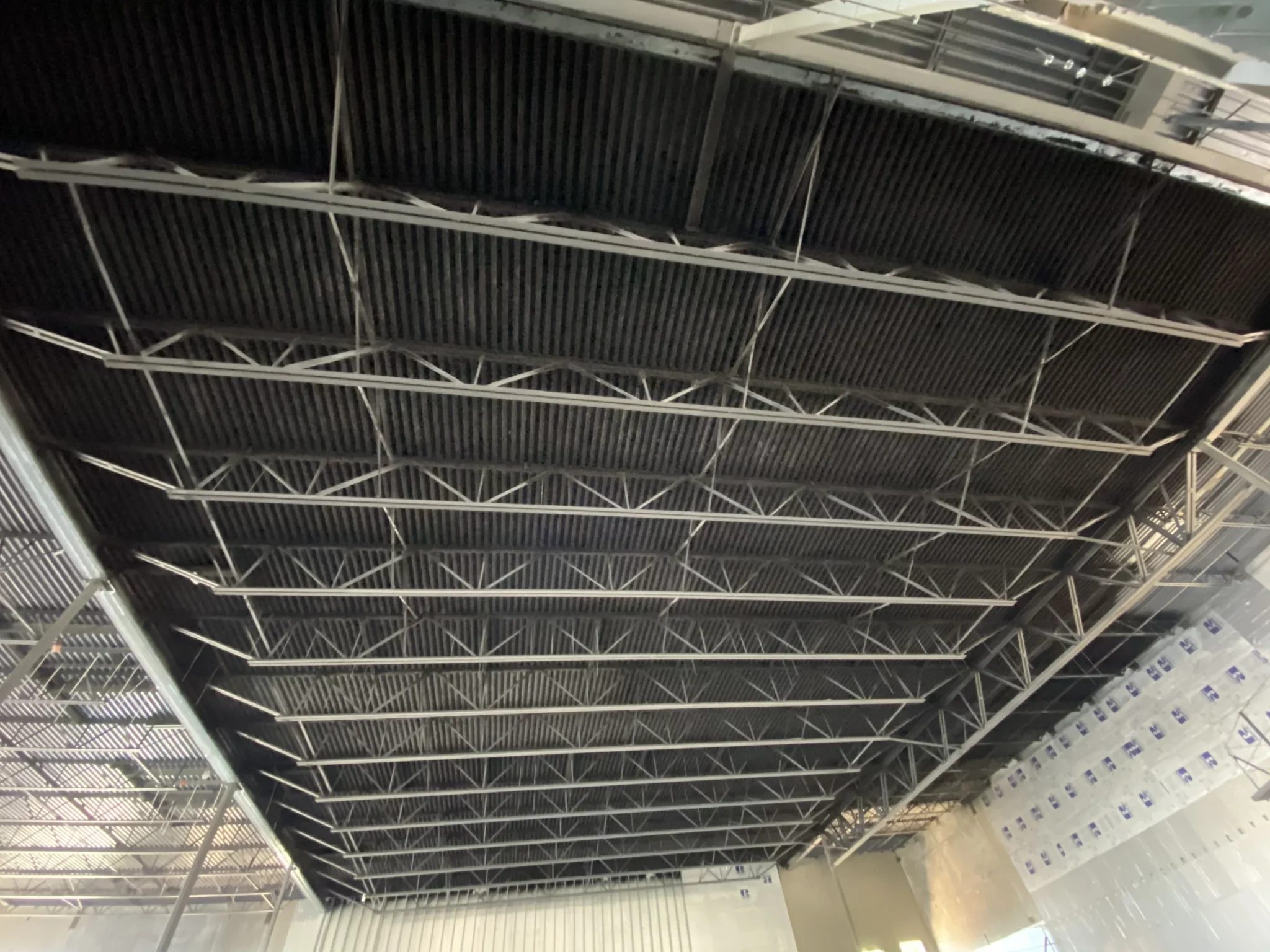
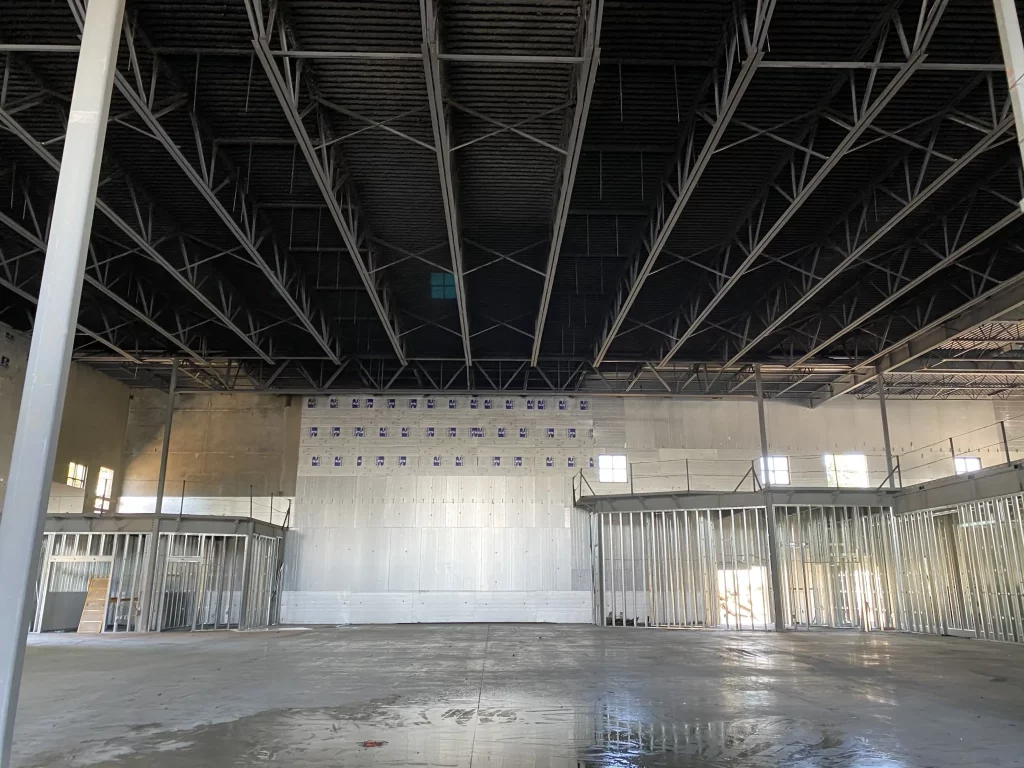
For most property owners in Washougal, WA, the better soundproofing option depends on whether you need to control noise inside a room or block noise from traveling through walls and ceilings. K-13, a spray-applied cellulose fiber insulation, excels at absorbing sound within a space by reducing echoes and reverberations, making it the top choice for open-ceiling commercial buildings, warehouses, and gymnasiums. Spray foam insulation, available in both open-cell and closed-cell formulations, delivers superior air sealing and moisture control alongside moderate sound dampening, making it the stronger pick for residential walls, crawlspaces, and attics where energy efficiency matters as much as noise reduction. In Climate Zone 4C, where Washougal sits, both materials have distinct roles, and choosing the right one comes down to your project type, budget, and performance priorities.
Understanding the difference between sound absorption and sound transmission is the first step to choosing the right product. The noise reduction coefficient (NRC) measures how well a material absorbs sound within a room, reducing echoes and reverberation. It is calculated as the average of absorption coefficients at 250, 500, 1,000, and 2,000 Hz and is tested per ASTM C423. NRC should not be confused with the sound transmission class (STC), which rates how well a building assembly blocks airborne sound from passing through walls, floors, and ceilings.
K-13 is a spray-applied cellulose product applied directly to exposed structural surfaces, including metal decks, concrete ceilings, and wood substrates. Its fibrous, porous structure absorbs sound energy across a broad frequency range. Because it is applied as a exposed finish, there is no drywall or additional surface layer between the material and the room, allowing it to perform at its full rated NRC. Typical applications include gymnasiums, warehouses, recording studios, and open-plan offices where controlling interior noise buildup is the priority.
Spray foam insulation works differently. Rather than absorbing sound through an exposed surface, it fills wall cavities, ceiling joists, and floor assemblies. Open-cell spray foam has a softer, more porous structure that allows sound waves to enter and dissipate, offering better sound absorption than closed-cell foam. Closed-cell spray foam is denser and acts more as a mass barrier, reflecting and dampening sound transmission through assemblies. Both types create an airtight seal that eliminates gaps where sound would otherwise travel through cracks, electrical outlets, and framing joints.
| Factor | K-13 (Spray-Applied Cellulose) | Spray Foam Insulation |
|---|---|---|
| Primary acoustic function | Sound absorption (NRC) within rooms | Sound transmission reduction + air sealing |
| R-value per inch | Approximately R-3.8 | R-3.7 (open-cell) to R-6.5 (closed-cell) |
| NRC rating range | 0.70 to 1.05+ depending on thickness | 0.50 to 0.80 (open-cell); lower for closed-cell |
| Air sealing capability | Moderate (fills gaps when spray-applied) | Excellent (expands to seal all cracks and penetrations) |
| Moisture resistance | Moderate; treated with borate fire retardants | Closed-cell acts as vapor barrier; open-cell is vapor-permeable |
| Best application | Exposed ceilings, metal decks, commercial spaces | Wall cavities, crawlspaces, attics, rim joists |
| Recycled content | 75 to 85% recycled paper fiber | None (petroleum-based chemicals) |
| Fire rating | Class 1 when properly treated | Varies by formulation; requires thermal barrier |
Washougal falls within IECC Climate Zone 4C (Marine), a designation that covers coastal Pacific Northwest counties from northern California through Washington. Marine climates experience relatively mild temperatures year-round but bring significant moisture exposure from Pacific weather patterns. The 2021 Washington State Energy Code sets prescriptive insulation requirements for this zone at R-20 walls with continuous exterior insulation and R-60 ceilings, with mandatory air leakage testing of 4 ACH50.
In this climate, moisture management is just as important as thermal performance. K-13 cellulose contains borate-based fire retardants that also resist mold growth, as noted in cellulose insulation research documenting that borates provide added control against mold. However, cellulose can absorb moisture in high-humidity environments without proper vapor management. Closed-cell spray foam creates an impermeable moisture barrier, making it particularly effective in crawlspaces, basements, and rim joist areas where Washougal’s damp marine air can infiltrate building assemblies.
The Department of Energy’s Insulation Fact Sheet distinguishes between open-cell and closed-cell spray foams for residential applications. Open-cell foam (often called polyicynene) allows water vapor to pass through, making it suitable for interior wall assemblies where the building needs to breathe. Closed-cell foam (polyurethane and polyisocyanurate) traps a specialized gas within its cells, providing both higher R-value and a built-in vapor barrier.
For soundproofing specifically, open-cell spray foam is generally the better performer within the foam family. Its open-cell structure allows sound waves to enter the material and lose energy through friction as they travel through the interconnected cells. Closed-cell foam reflects more sound due to its density but absorbs less.
Pricing from our service area:
| Spray Foam Service | Low (per board foot) | Average (per board foot) | High (per board foot) |
|---|---|---|---|
| Closed-cell spray foam | $1.20 | $1.50 | $3.00 |
| Open-cell spray foam | $0.28 | $0.32 | $0.75 |
Project size, ease of access, and R-value requirements are the biggest factors that shift pricing within these ranges. Larger projects with flexible timelines typically receive more competitive rates per board foot.
K-13 belongs to the family of spray-applied cellulose insulation, which the Department of Energy recognizes as a loose-fill fiber product that can be sprayed after mixing with an adhesive to resist settling. Cellulose is approximately three times denser than fiberglass, and this mass is what gives it its sound-deadening quality. The material reduces noise in two ways: it dampens the lateral vibration of drywall or structural substrates, and it absorbs sound energy traveling through cavities.
For exposed ceiling applications, K-13 insulation delivers acoustic performance that spray foam simply cannot match because it is designed to function as a finished surface. When sprayed onto a metal deck or concrete ceiling, it provides both thermal insulation and sound absorption in a single monolithic layer without requiring a separate ceiling finish. Typical thicknesses range from 0.5 inches to 2 inches, with NRC ratings scaling up with additional depth.
Cellulose also has the highest recycled content of any insulation material, typically 75 to 85 percent post-consumer recycled paper fiber, with the remainder consisting of borate fire retardants. This makes K-13 a popular choice for green building projects pursuing LEED certification.
Cellulose also has the highest recycled content of any insulation material, typically 75 to 85 percent post-consumer recycled paper fiber, with the remainder consisting of borate fire retardants. This makes K-13 a popular choice for green building projects pursuing LEED certification.
| Scenario | Property Type | Recommended Option | Typical Pricing |
|---|---|---|---|
| Open-ceiling warehouse near the Port of Camas | Commercial / Industrial | K-13 spray-applied cellulose | N/A (specialty application) |
| New construction home near busy SR-14 corridor | Residential, 2,000 sq ft | Closed-cell spray foam in walls and crawl space | $1.50/board ft (avg) |
| Home office soundproofing in converted garage | Residential retrofit | Open-cell spray foam in walls | $0.32/board ft (avg) |
| Pole barn workshop with metal roof | Agricultural / Workshop | Closed-cell spray foam in walls and ceiling | Varies by scope |
| Crawl space encapsulation for 1970s rambler | Residential retrofit | Closed-cell spray foam + air sealing | $5,500 average project |
Several variables determine which material performs best for your specific situation:
K-13 is a strong fit for:
K-13 is not the right choice for:
Spray foam is a strong fit for:
Spray foam is not the right choice for:
Choosing between K-13 and spray foam for soundproofing comes down to your building type, noise source, and performance goals. Our team at Spray-On Foam & Coatings has extensive experience installing both spray foam and cellulose-based insulation across the Washougal area, and we can evaluate your space to recommend the material that will deliver the best acoustic and thermal results for your budget. Whether you need to quiet a noisy warehouse ceiling or soundproof a home office against highway traffic, we have the expertise and equipment to handle it.
Request a Free Quote | Schedule a Soundproofing Assessment
Call us at (360) 667-1993 or email [email protected] to discuss your project. We serve Washougal, Camas, Vancouver, and the greater Portland metro area with professional insulation installation backed by local knowledge and proven results.
Yes, but primarily on exposed ceilings and in unfinished spaces. For finished residential walls and ceilings where drywall covers the insulation, spray foam or blown-in cellulose in wall cavities is typically more practical and effective.
Closed-cell spray foam provides moderate sound reduction by sealing air gaps and adding mass to wall assemblies. However, open-cell foam generally absorbs more sound within cavities due to its softer, more porous structure. For maximum sound isolation between rooms, combining spray foam with dedicated acoustic treatments like resilient channel and mass-loaded vinyl delivers the best results.
K-13’s NRC rating increases with thickness. A 1-inch application typically achieves an NRC around 0.75, while a 1.5-inch application reaches approximately 0.85 to 0.90. The required thickness depends on your noise reduction goals and the specific acoustics of the space.
Once cured, spray foam is inert and considered safe for occupied spaces. During installation, occupants should vacate the premises due to chemical off-gassing and fumes. Our crew follows all manufacturer safety protocols and ventilation requirements during the curing process.
Yes, and in many commercial and mixed-use buildings, a combination approach delivers the best overall results. K-13 can handle exposed ceiling areas for echo control while spray foam insulates wall assemblies, crawlspaces, and attics for thermal performance and sound transmission reduction. We regularly design hybrid insulation plans that leverage the strengths of each material.