

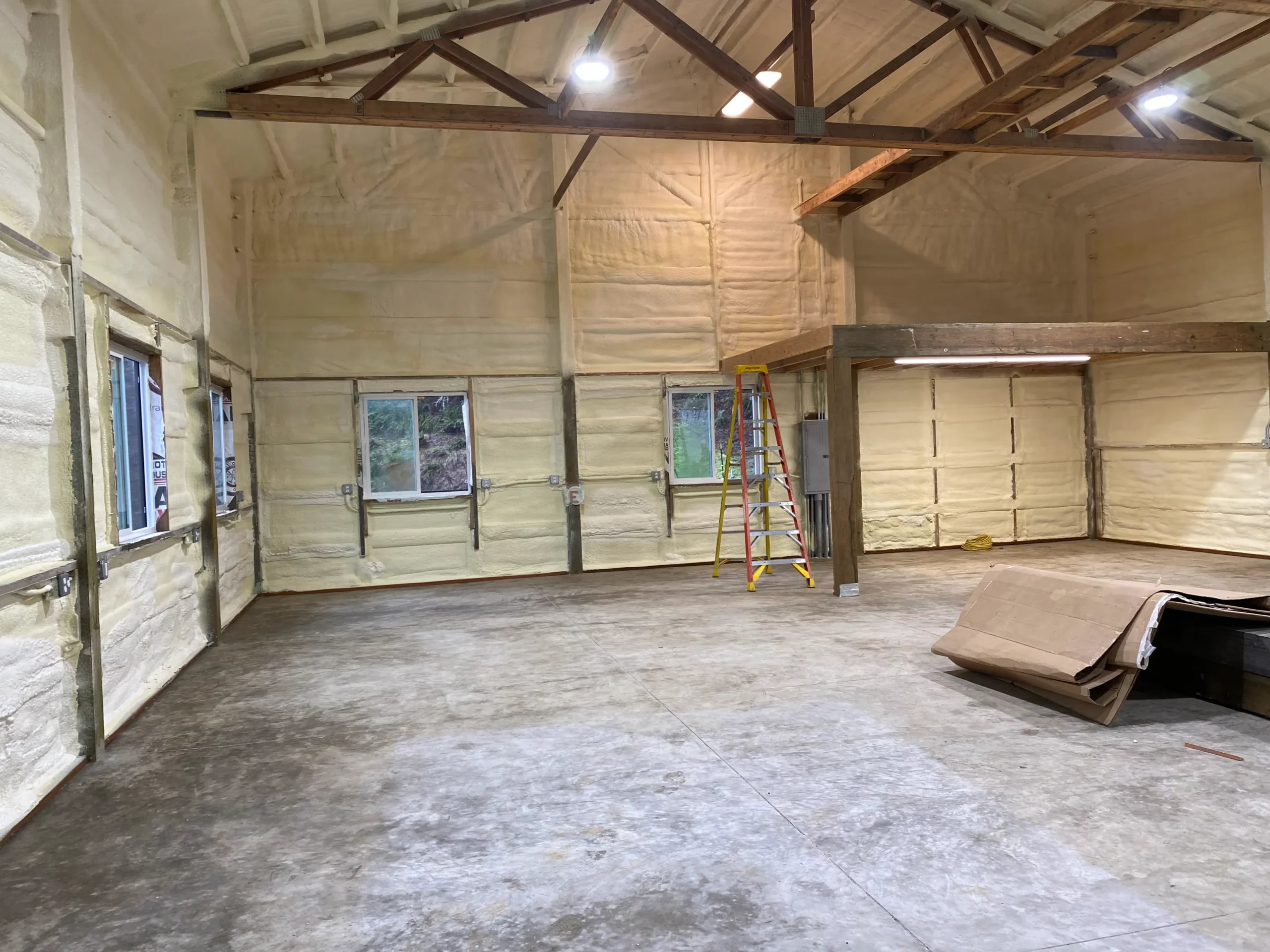
Home insulation installed in Vancouver, WA, homes can’t stop the rain, but it helps keep indoor surfaces warmer. Combined with proper air sealing, it also reduces the movement of moisture-laden air, helping prevent condensation and mold growth. Match the material to the space, fix leaks first, and keep ventilation working so moisture has a way out.
Vancouver’s rain arrives when the air is cold, and that combination is hard on houses. Moisture from showers, cooking, and breathing meets chilly walls, floors, and ceilings.
The National Weather Service 1991 to 2020 normals for Vancouver show about 37 inches of precipitation a year, with December the wettest month at roughly 6 inches. Around 33 of those inches fall between October and May, when your heat runs and your windows stay shut.
Left alone, that damp can lead to mold, rotted wood, and wet insulation that stops doing its job. You often won’t notice until a crawl space or closet starts to smell.
Insulation doesn’t dry a house out. It changes where moisture lands and how much outside air gets in. A good moisture control Vancouver, WA residential insulation plan has three parts: the right material, a tight seal, and a way for humid air to leave.
Air holds less water as it cools, so vapor turns into droplets on cold surfaces. The EPA lists insulation as one way to raise the temperature of those surfaces. A well-insulated wall or floor stays warmer on the inside, so it’s less likely to sweat on a cold morning.
Gaps pull damp air into walls, rim joists, and crawl spaces. The U.S. Department of Energy says air leakage can contribute to moisture problems that affect health and a building’s durability, and that air sealing doesn’t remove the need for proper insulation.
Spray foam expands into small gaps, so it can insulate and seal in one pass.
The best home insulation for damp weather depends on the space, not on one miracle product. Here’s how common options typically behave in a wet, mild climate like ours.
| Material | In Damp Conditions | Common Fit |
|---|---|---|
| Fiberglass batts | Can sag and lose value when wet | Dry attic floors |
| Cellulose | Absorbs moisture if it gets wet | Dry, sealed attics |
| Rigid foam board | Resists moisture, needs sealed seams | Foundation walls |
| Spray foam | Fills gaps, limits air movement | Rim joists, crawl space walls |
Spray foam usually costs more up front than batts, and a dry attic floor with clean fiberglass can work fine.
These areas collect cold, humid air. Batts between joists can sag when ground moisture rises, while foam along the rim joist and crawl space walls seals the gaps where that air sneaks in. The dirt floor still needs a ground vapor barrier.
In an attic, sealing gaps around lights, vents, and the hatch keeps moist indoor air away from the cold roof deck. Walls are different because most stay closed, so insulation choices there usually come up during a remodel or siding job.
New insulation can’t solve a problem that keeps feeding it water. Sort out the source first, or you risk sealing moisture in.
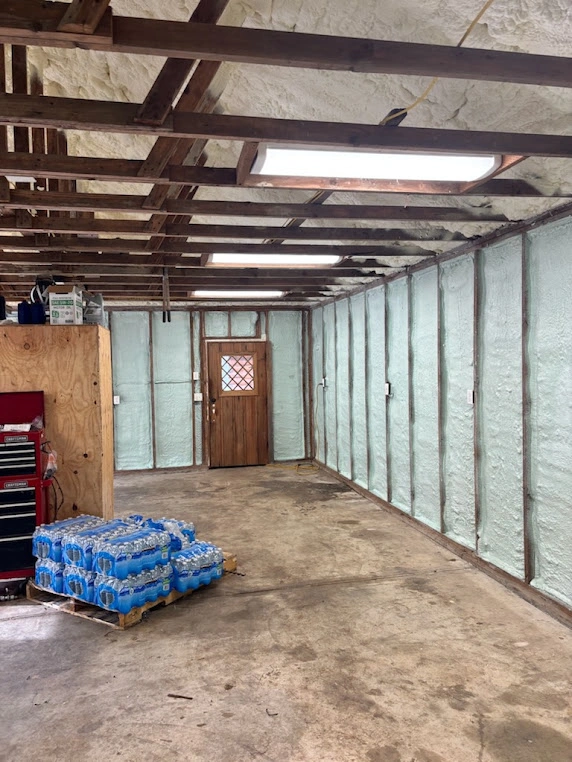
Insulation rarely fails loudly. Watch for these quiet signs, especially after a wet stretch.
A good job follows an order. Skipping steps is how moisture ends up trapped behind new material.
A little upkeep goes a long way in a wet climate. Ask about residential insulation installation maintenance before the job wraps up, so you know what to check and when.
If your house stays damp every winter, we’d be glad to look at it with you. We offer a free quote, and we can talk through which spaces need attention first.
Usually, yes. If it stayed soaked for a day or two or smells musty, it can hold moisture and grow mold, so replacing it is safer than waiting.
No, moisture does. Insulation can hide a leak or condensation, though, so mold may grow behind it unseen until you smell it.
Blocking vents alone rarely fixes dampness and can leave musty air trapped. A ground vapor barrier and a proper insulation plan usually matter more.
Insulation isn’t a dehumidifier. Moisture already trapped in a crawl space, plus daily showers and cooking, can keep humidity high, so you may need fans or a dehumidifier too.
It’s common, but common isn’t harmless. Mold on roof sheathing is often tied to attic ventilation problems or indoor air leaking upward, so have it checked before it spreads.