

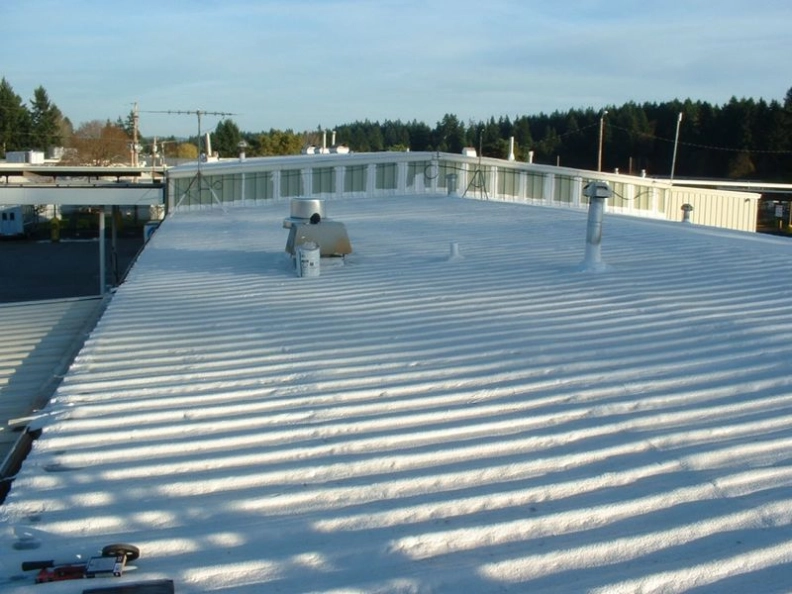
An elastomeric roof coating is a thick liquid that cures into a flexible, joint-free membrane over your existing roof. It stretches and shrinks with temperature swings, seals hairline cracks, and reflects sunlight. For elastomeric roof coating in Vancouver, WA, owners often ask about it; it can add years to a sound roof without needing a full tear-off.
Coatings and paint aren’t the same thing, and the difference shows up the first time your roof moves. Elastomeric means the material acts like rubber. IIBEC describes an elastomeric polymer as one that stretches to at least twice its length and returns to about its original size. That’s why a coating can ride out a roof’s daily swell and shrink without splitting like a thin paint film.
It also goes on thick. The recommended dry film thickness is 20 to 55 mils (a mil is one thousandth of an inch). That depth gives you a continuous, fully bonded surface once it cures.
Once it’s on, the coating moves with the roof, seals the surface, and bounces sunlight away.
Roofs expand in afternoon heat and shrink overnight. Because the coating stretches and recovers, it can hold its bond through those cycles instead of cracking open.
Once cured, it works as a waterproof roof coating that sheds rain across the whole roof. Hairline cracks and seams get covered, but failed flashing needs a real repair first.
White coatings carry titanium dioxide, a pigment that adds whiteness and reflectance. IIBEC links cooler membranes to longer system life and lower cooling costs.
Three chemistries cover most jobs. The right one depends on your roof’s material, slope, and standing water.
| Coating Type | Best For | Trade-Off |
|---|---|---|
| Acrylic | Roofs that drain well | Can break down under standing water |
| Silicone | Low-slope roofs with some ponding | Can attract dirt and chalk |
| Polyurethane | Roofs with foot traffic | Costs more than acrylic |
Metal, modified bitumen, built-up, single-ply, and spray polyurethane foam roofs are common candidates. The coating has to match what’s already up there, so we identify the current surface and any old coating before recommending a product.
Rain drives most roof decisions here, so drainage, drying time, and moss control come first.
The National Weather Service 1991 to 2020 normals for Vancouver Pearson Airport show 37.47 inches of precipitation a year. December is the wettest month at 6.07 inches, while July averages just 0.42 inches.
A coating needs a clean, dry surface to bond, so a shaded, mossy roof that stays damp won’t take it well. Standing water is the other problem. IIBEC says modern white elastomerics handle ponding better than older ones, but it still calls for slope to drain. Low spots and mossy patches get fixed before any coating goes on.
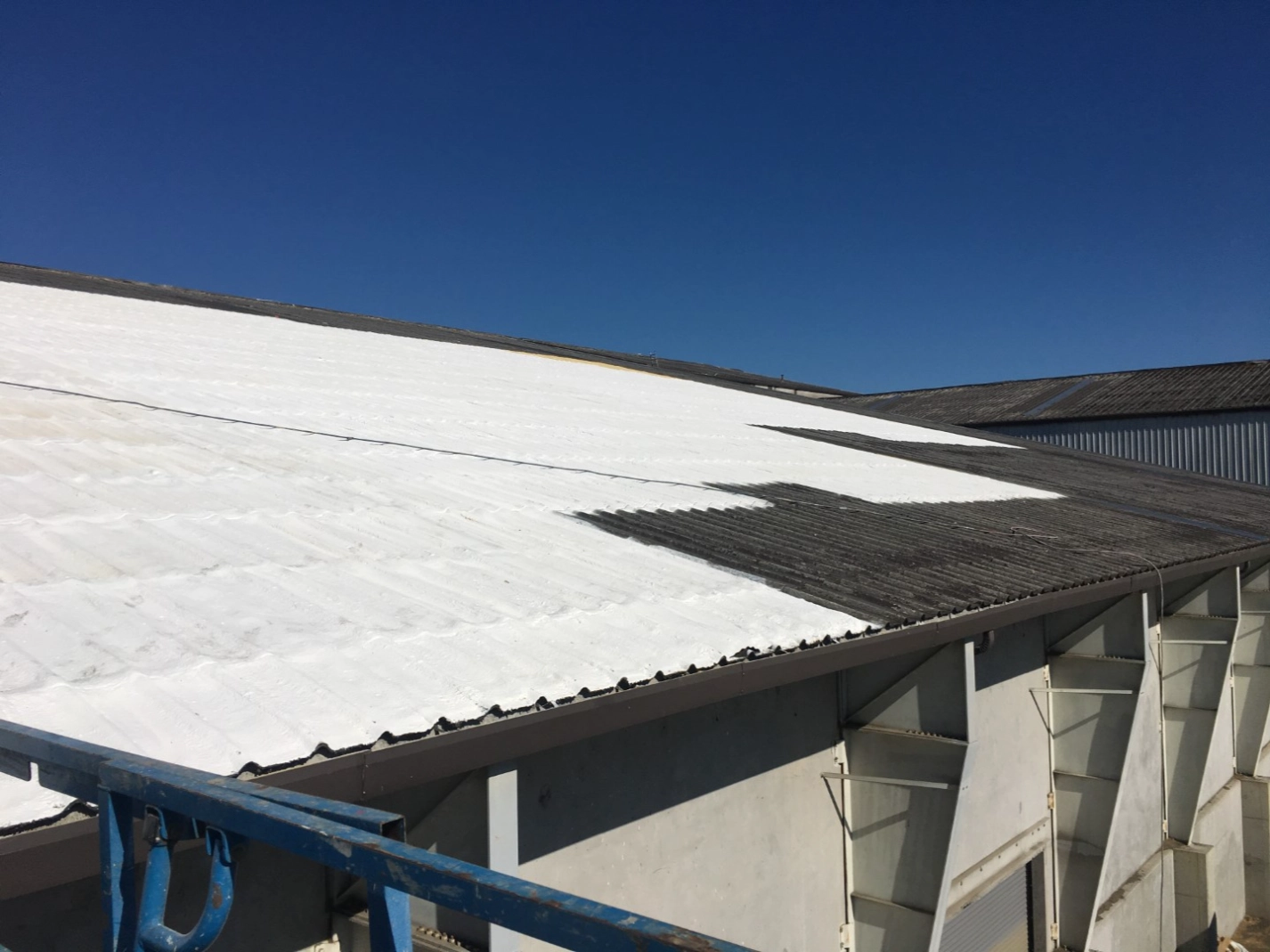
A coating helps the right roof a lot. It can’t fix everything, though.
The main elastomeric roof coating benefits come down to leak protection, lower surface heat, and a longer life for a roof that’s still sound.
Good roof coating application follows a set order. Skip a step and peeling or blisters can follow.
Price depends on roof size, construction, the condition of what’s there, and the coating type. That means any honest number starts with a look at your roof. Bring these questions to every estimate:
If you’re weighing a coating against a tear-off, we’re glad to look at your roof. At Spray-On Foam & Coatings, we’ll check what’s up there, tell you straight whether a coating makes sense, and give you a free quote.
Phone: (360) 667-1993
Email: [email protected]
Most systems use two or more coats, with drying time between each. The real target is the dry film thickness on the product data sheet, not the coat count.
Plan on keeping everyone off for several days while it cures. The product data sheet sets the exact wait.
Often yes, but the new product has to be compatible with the old one. Identifying the existing coating comes first.
Not in rain or on a damp roof. It needs a dry surface and temperatures inside the product’s stated range, so jobs get scheduled around the forecast.
Look for peeling, cracking, chalky or worn patches, and ponding stains. Checking every six to 12 months catches problems early.