
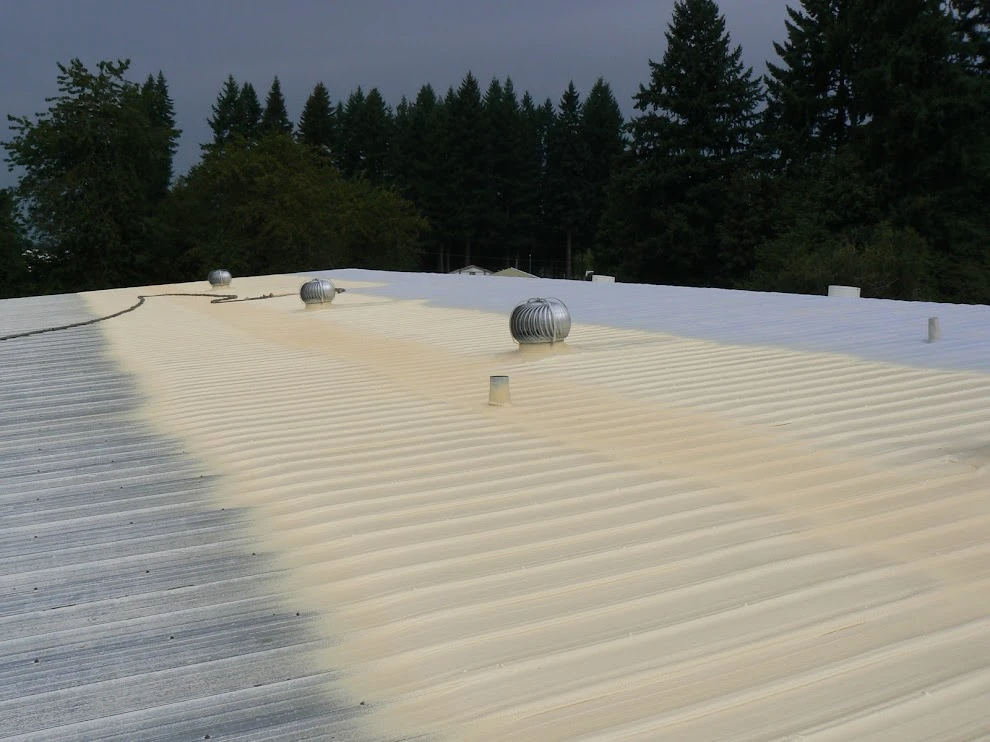
Builders, facility managers, and building owners across the Pacific Northwest are turning to roof coatings as a practical, cost-effective method to protect roofing investments, stop leaks before they start, and push replacement dates years into the future. A roof coating is a monolithic, fully adhered, fluid-applied membrane that bonds directly to the existing roof surface, becoming the top layer of protection against sun, rain, hail, and physical wear. The right coating system depends on the roof substrate, climate exposure, ponding water conditions, and whether the building owner needs reflectivity, waterproofing, or both. Builders choosing between elastomeric acrylics, silicones, polyurethanes, or spray polyurethane foam systems should match the coating chemistry to the specific demands of the roof rather than applying a one-size-fits-all product.
A roof coating functions differently from a simple layer of paint. According to Wikipedia’s roof coating entry, a roof coating becomes the topmost layer of a composite roof membrane system, absorbing the full impact of UV radiation, infrared heat, rain, hail, and foot traffic. Many roof coatings are elastomeric, meaning they stretch and return to their original shape without damage, allowing them to accommodate the thermal expansion and contraction that occurs daily on any roof.
When installed correctly, roof coatings create a seamless, monolithic membrane that eliminates the joints, seams, and fasteners where water most commonly infiltrates. This seamless quality is what makes coatings so effective at preventing water damage. Water cannot penetrate a surface without cracks, gaps, or edges, and a properly applied coating removes all three from the equation.
The U.S. Department of Energy’s Energy Saver guide on cool roofs confirms that conventional roofs can reach temperatures of 150 degrees Fahrenheit or higher on a sunny summer afternoon, while a reflective roof under the same conditions can stay more than 50 degrees cooler. That temperature reduction directly slows the thermal cycling that causes roofing materials to crack, blister, and deteriorate over time.
Builders have several coating chemistries to choose from, each with distinct strengths. Selecting the wrong chemistry for the conditions is one of the most common causes of premature coating failure.
| Coating Type | Best Application | Handles Ponding Water | Reflectivity | Typical Lifespan |
|---|---|---|---|---|
| Acrylic (Elastomeric) | Commercial flat roofs, metal roofs, modified bitumen | No (not typically warranted) | High (65% or higher when new) | 10 to 20 years |
| Silicone | Flat roofs with ponding issues, aged TPO/EPDM | Yes (often warranted) | High | 15 to 20+ years |
| Polyurethane | Roofs with foot traffic, industrial facilities | Some grades yes | Moderate to high | 10 to 15 years |
| SPF with Coating | Any roof needing insulation and waterproofing | Yes (with proper coating) | Very high (coating-dependent) | 20 to 30+ years |
The primary materials used in roof coating formulation include acrylics, asphalt emulsions, polyurethanes, silicones, and polyurea, each formulated for specific performance characteristics. Builders working on metal roof systems often choose acrylic elastomers for their balance of reflectivity and affordability. For commercial buildings with chronic ponding issues, silicone coatings are the go-to choice because they maintain adhesion and waterproofing even under standing water.
Water damage starts at the weakest points of any roof: seams, flashings, penetrations around vents and pipes, and areas where the membrane has cracked or pulled away from the substrate. Roof coatings address all of these vulnerabilities simultaneously.
When our crew applies a coating system, the fluid material flows into and seals micro-cracks, covers fastener heads, bridges gaps between overlapping panels, and creates a continuous waterproof barrier across the entire surface. For metal roofs, this means the coating seals the seams between panels where water has been seeping through for years. For single-ply membranes, it covers the taped or welded seams that eventually degrade under UV exposure.
The EPA’s guide on using cool roofs to reduce heat islands explains that liquid-applied roof coatings with light or cool colors are a primary cool roof product category for low-sloped commercial roofs. These coatings not only waterproof the surface but also reflect solar energy, reducing the heat-related thermal stress that causes roofing materials to expand, contract, and eventually crack open to allow water intrusion.
Beyond waterproofing and life extension, roof coatings deliver quantifiable energy savings that make the investment easier to justify. The EPA reports that in air-conditioned residential buildings, solar reflectance from a cool roof can reduce peak cooling demand by 11 to 27 percent. For commercial and industrial buildings with large roof-to-floor-area ratios, those savings compound quickly.
In non-air-conditioned buildings, cool roofs lower maximum indoor temperatures by 1.2 to 3.3 degrees Celsius (2.2 to 5.9 degrees Fahrenheit), which improves occupant comfort and reduces heat-related health risks. Builders working on warehouse, agricultural, or storage facilities where air conditioning is not installed should consider this comfort benefit as part of the coating’s total value.
The EPA’s Cool Roofs chapter of their Reducing Urban Heat Islands Compendium documents measured cooling energy savings ranging from 10 to nearly 70 percent across different building types and climates. A private elementary school in Cocoa Beach, Florida, saw a 10 percent reduction in chiller electric use after an acrylic white elastomeric coating raised the roof’s solar reflectance from 23 to 68 percent.
Even the best coating product will fail if the application is flawed. These are the mistakes we see most often when we inspect roofs that were coated by others:
| Building Type | Recommended Coating Approach | Key Considerations |
|---|---|---|
| Commercial flat roof | Silicone or acrylic elastomeric coating | Assess drainage patterns, check for ponding water zones, and verify substrate condition |
| Metal building/pole barn | Acrylic elastomeric or SPF with coating | Seal all seams and fasteners, and address rust before coating application |
| Industrial facility | Polyurethane or silicone with high-traffic durability | Foot traffic resistance, chemical exposure resistance, and warranty terms |
| Residential flat or low-slope | Acrylic or silicone coating system | Verify compatibility with existing materials; avoid coatings over asphalt shingles |
| New construction | SPF system with reflective top coating | Combines insulation and waterproofing in a single application |
Finding a qualified contractor for roof coating work is as important as selecting the right product. Builders and building owners should look for these indicators:
Our team at Spray-On Foam & Coatings has been protecting roofs across Vancouver, Portland, and the surrounding Pacific Northwest communities with professional coating applications that stop leaks, reduce energy costs, and add years of dependable service to commercial and residential roofing systems. We evaluate every roof individually, recommend the coating system that matches the specific demands of your building, and stand behind our work with clear, written warranties.
Request a Quote | Schedule a Roof Assessment
Call us at (360) 667-1993 or email [email protected] to get started with a no-pressure evaluation of your roofing needs. The right coating, applied by experienced professionals, is one of the smartest investments a building owner can make.
Most properly applied roof coatings last 10 to 20 years, with some silicone and SPF-based systems lasting 20 years or more with routine maintenance.
Coatings can be applied over most substrates, including metal, modified bitumen, single-ply membranes, and spray foam, but they should not be applied over asphalt shingles due to moisture retention risks.
Acrylic coatings offer high reflectivity at a lower material cost but are not typically warranted for ponding water, while silicone coatings handle standing water well and maintain performance in harsh conditions.
A properly applied coating system can seal leaks caused by cracked membranes, deteriorated seams, and failed flashings, but any structural damage or severe substrate deterioration must be repaired before coating application.
Cool roof coatings may qualify for utility rebates, building code incentives, or energy efficiency programs depending on your location and local utility provider requirements.