
Air sealing a property in Battle Ground, WA typically ranges from $1,500 for basic targeted sealing on a smaller home to $10,000 for comprehensive whole-house air sealing on a larger or more complex property. Most homeowners in the Battle Ground area, particularly those with homes between 1,500 and 2,500 square feet, invest around $4,500 for a thorough air sealing project that covers attics, crawlspaces, rim joists, and penetrations. The specific cost depends on the size of the home, accessibility of leak-prone areas, the number of penetrations and gaps that need sealing, and whether the work is combined with spray foam insulation upgrades.
Battle Ground, Washington, sits in the Pacific Northwest’s marine climate, characterized by cool, wet winters and moderate summers. Homes in this region face prolonged heating seasons, and that makes uncontrolled air leakage a real drag on both comfort and utility bills.
The Department of Energy describes air sealing as one of the most cost-effective ways to cut heating and cooling costs, improve building durability, and create a healthier indoor environment. When outside air enters and conditioned air escapes through cracks, gaps, and penetrations, your HVAC system works harder than it needs to. In a heating-dominated climate like Battle Ground’s, that effect compounds over months of cold, damp weather.
According to research published by the Building Science Corporation, air leaks can be responsible for a third or more of the energy loss in typical houses. Uncontrolled air movement through the building envelope also carries moisture into framing cavities, which creates conditions for mold and rot, a particularly relevant concern in the humid Pacific Northwest.
The cost of air sealing depends on the scope of work, the size of the property, and how difficult it is to access the areas that need attention. Based on our project data from the Battle Ground area, here is a realistic breakdown of what homeowners can expect:
| Project Level | Typical Cost Range | What’s Included | Best For |
|---|---|---|---|
| Basic / Targeted Sealing | $1,500 | Sealing specific problem areas such as rim joists, plumbing penetrations, or a single attic | Smaller homes or homeowners with identified draft complaints in specific rooms |
| Standard Whole-Home Sealing | $4,500 | Comprehensive air sealing across attics, crawlspaces, rim joists, duct registers, penetrations, and garage separation | Average-sized homes (1,500 to 2,500 sq ft) needing full envelope improvement |
| Extensive / Complex Sealing | $10,000 | Whole-home air sealing combined with significant penetrations, hard-to-access areas, or multi-story buildings | Large homes (2,500+ sq ft), older homes with extensive gaps, or properties with complex designs |
Several variables push a project from the low end to the high end of the range:
Factors that increase cost:
Factors that lower cost:
These examples represent the types of air sealing projects we encounter regularly in Clark County and the broader Portland metro service area:
| Property Type | Location | Project Scope | Estimated Cost |
|---|---|---|---|
| 1,500 sq ft ranch home | Battle Ground, WA (98604) | Attic air sealing, rim joist sealing, and duct register boots | $4,500 |
| 2,000 sq ft two-story retrofit | Vancouver, WA (98686) | Full envelope sealing, including crawlspace, attic, wall penetrations, and garage separation | $6,200 |
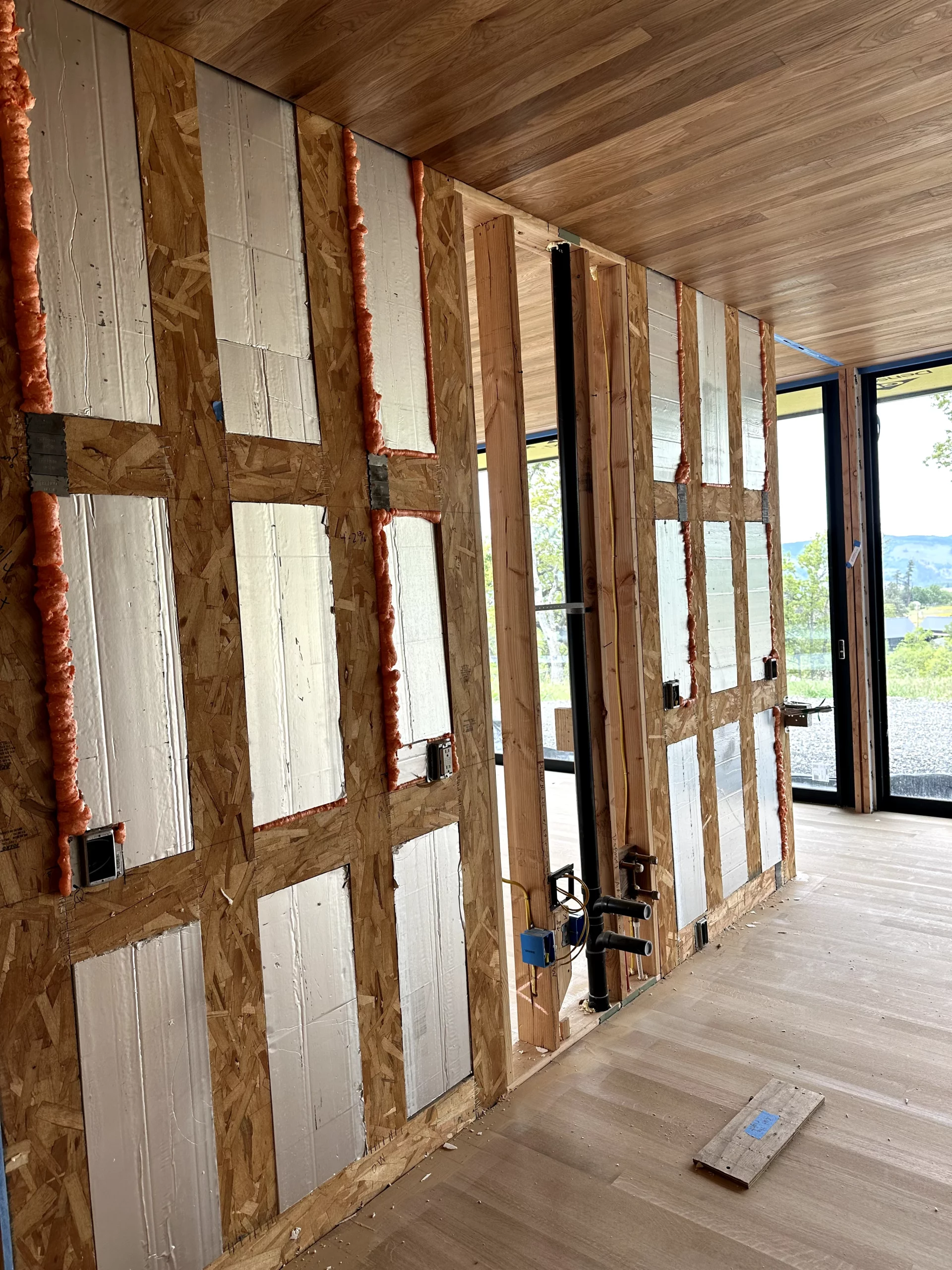
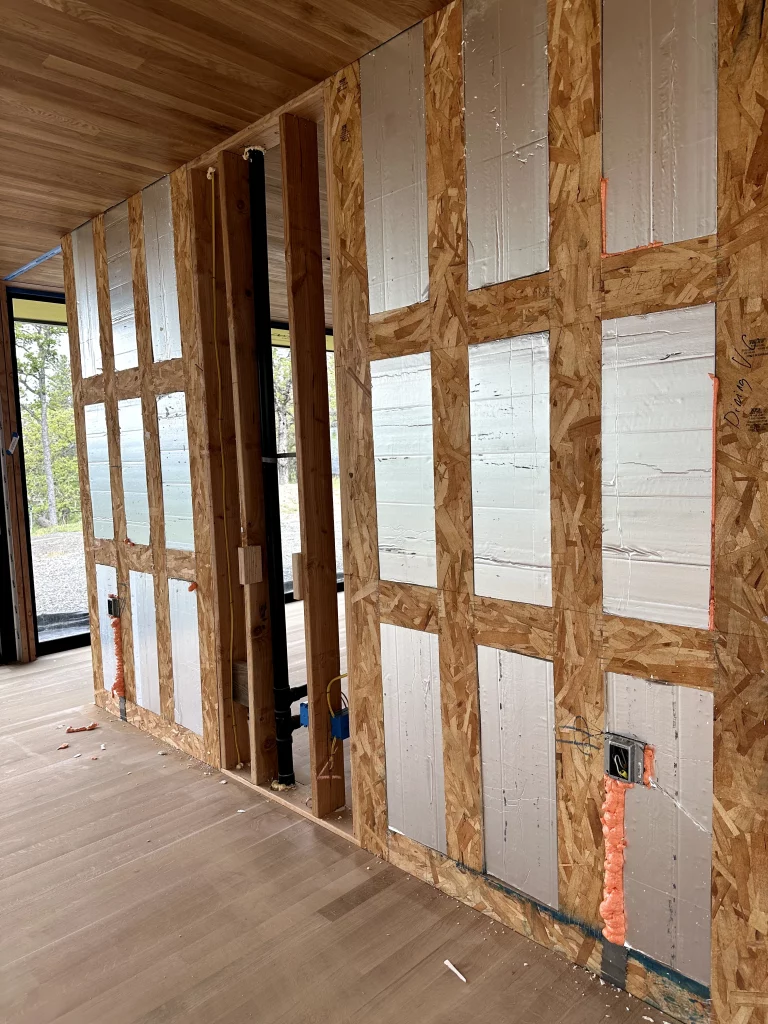
| 2,800 sq ft new construction | Battle Ground, WA (98642) | Pre-drywall air sealing at all framing penetrations, top plates, and rim joists | $3,800 |
| 1,200 sq ft older home | Portland, OR (97203) | Targeted rim joist and crawlspace sealing with a moisture barrier | $1,500 |
| 3,500 sq ft custom home | Vancouver, WA (98682) | Comprehensive air sealing across attic, crawlspace, walls, and HVAC penetrations | $9,000 |
Air sealing and insulation serve different but complementary purposes. Air sealing closes the gaps and cracks where air moves freely through the building envelope. Insulation slows heat transfer through solid materials. One without the other leaves your home underperforming.
For Battle Ground homeowners, combining air sealing with spray foam insulation often delivers the best results. Our closed-cell spray foam pricing in the Pacific Northwest ranges from $1.20 to $3.00 per board foot, depending on project size and thickness requirements. Open cell spray foam runs from $0.28 to $0.75 per board foot. When we apply spray foam to areas like rim joists or crawlspaces, it handles both insulation and air sealing in a single step, which is part of why it is such an effective building envelope solution.
The 2021 International Energy Conservation Code, which also serves as the basis for the Washington State Energy Code, prescribes specific air barrier criteria for every major building component, from ceiling and attic assemblies to rim joists, basements, and HVAC register boots. Meeting these standards during an air sealing project ensures your home is built or retrofitted to modern energy performance benchmarks.
Based on ENERGY STAR guidance, the following areas are the most common sources of air leakage in residential buildings:
Sealing these areas, especially in the order listed, delivers the greatest energy savings and comfort improvement per dollar spent.
Here is the question most homeowners in Battle Ground should be asking: What does it cost to keep living with a leaky building envelope?
Air leakage between 25% and 40% of your heating and cooling energy is essentially money leaving through cracks in your walls, ceiling, and foundation. For a Battle Ground home with an average monthly heating bill, that could mean hundreds of dollars wasted each winter. Over five or ten years, the accumulated loss far exceeds the cost of a thorough air sealing project.
Beyond energy waste, uncontrolled air leakage carries moisture into wall cavities and attic spaces. In the Pacific Northwest’s wet climate, that moisture can condense on cold surfaces inside framing, leading to mold growth, wood rot, and structural damage that costs far more to repair than prevention ever would. A proper air barrier keeps that moisture from entering in the first place.
The federal Energy-Efficient Home Improvement Credit (Section 25C) may allow homeowners to claim a tax credit for insulation and air sealing improvements that meet 2021 IECC requirements. This credit applies to both existing homes and new construction, making it worth discussing with your tax professional when planning an air sealing project.
At Spray-On Foam & Coatings, we have been helping Battle Ground and Clark County homeowners seal their building envelopes for years. Our team evaluates every property individually, identifies the specific air leakage paths, and recommends the most effective approach for your home and budget. We handle everything from targeted rim joist sealing to comprehensive whole-home air sealing combined with spray foam insulation.
Whether you are dealing with cold rooms, high energy bills, or moisture concerns, we can help you find the right solution. Call us at (360) 667-1993 or email [email protected] to get started.
Request a Quote | Schedule an Assessment
Most air sealing projects for homes in the 1,500 to 2,500 square foot range are completed in one to two days, depending on the number of areas being sealed and the complexity of access. Larger or multi-story homes may take longer.
A blower door test is not mandatory, but it is highly recommended. It measures the actual air leakage rate of your home and helps identify where the most significant leaks are located, so the work can be targeted effectively rather than applied generically.
A properly sealed home should still have controlled ventilation. We evaluate ventilation needs as part of every project and recommend mechanical ventilation solutions when tighter sealing significantly reduces natural air exchange.
Basic air sealing tasks like caulking windows and weatherstripping doors are straightforward DIY projects. However, sealing rim joists, attic penetrations, and crawlspaces often requires professional materials and expertise, especially when combined with spray foam insulation.
Older homes tend to have significantly more air leakage than newer construction, so the potential energy savings and comfort improvements are often greater. Air sealing is one of the most impactful upgrades you can make to an older home in the Pacific Northwest.