
Have you ever noticed a sudden rise in your energy bills, and the indoor temperature becomes difficult to keep comfortable? Air leakage could be the reason. Air sealing is the only solution to keep your temperature comfortable. This is a practical way to improve energy efficiency. It fills gaps and cracks and blocks the path for air leakage.
The cost for air sealing services depends on the complexity and the building’s size. Typically, it ranges between $1,500 and $10,000 for each project. The data from the Department of Energy also shows that air sealing in your home can reduce your energy expenses.
Every home has a unique complexity, and the cost varies from one property to another. Let’s say a small home requires fewer materials and labor costs. Whereas a large home with more cracks and gaps may require more materials. Then the cost can reach several thousand dollars.
Here is the air sealing services cost breakdown:
You can learn more from HomeAdvisor’s 2026 attic insulation cost guide.
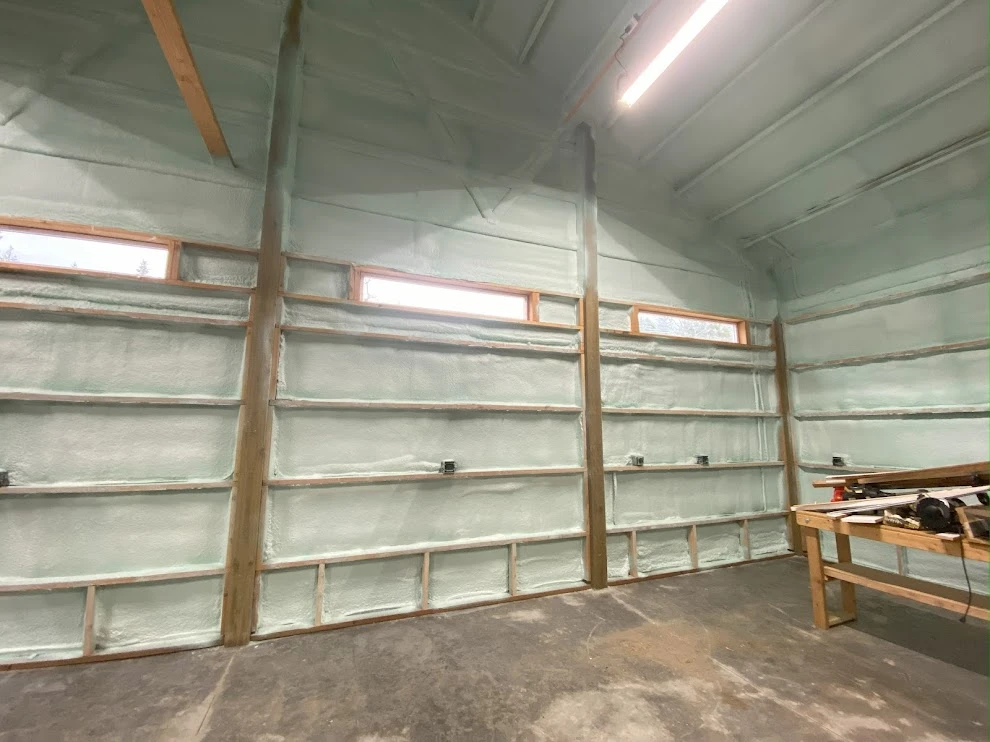
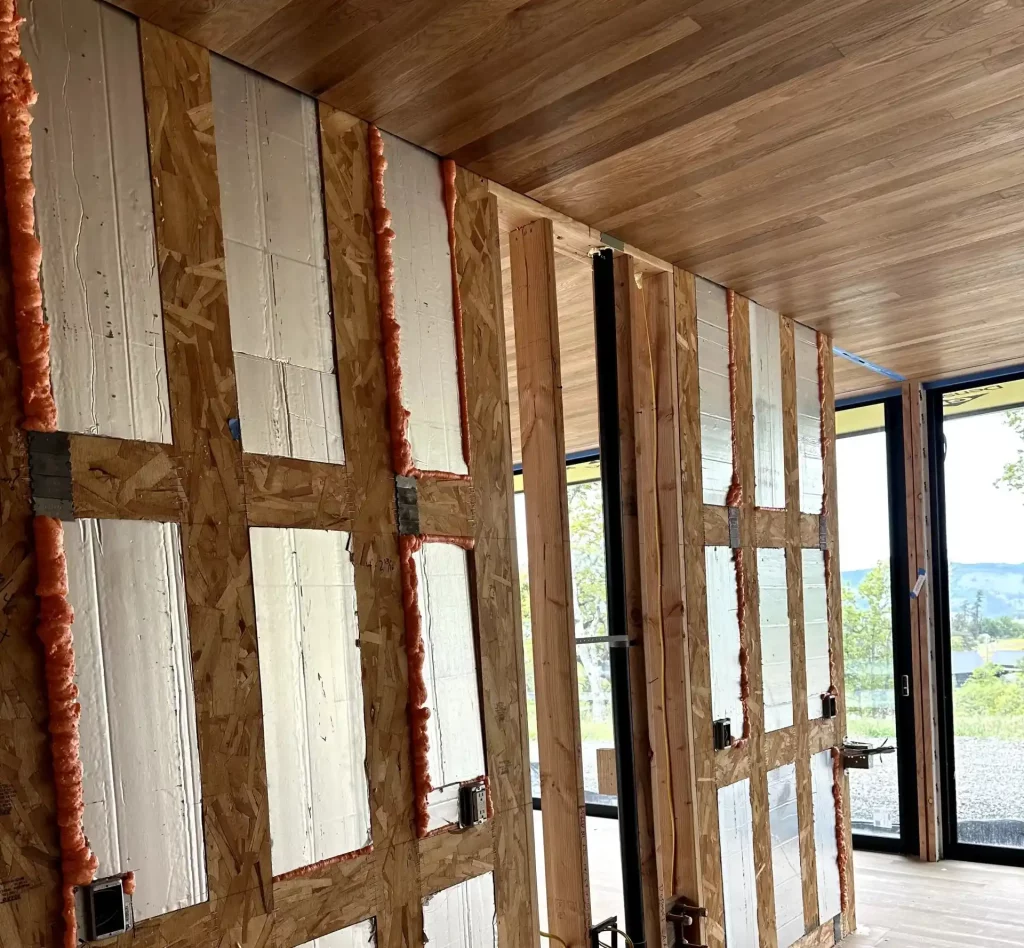
Typical locations for air leaking through the house into cracks and gaps include around chimneys and vents, baseboards and wall-to-floor connections, around windows and doors, recessed lighting fixtures, O-rings and duct or wire openings, rim joists, ceiling penetrations and attic hatches, and around pipes. The professional can seal the opening with caulk, weatherstripping, closed-cell spray foam insulation, rigid materials, or other appropriate methods, which can effectively minimize air leakage and enhance the overall efficiency of the space.
Several factors can make an air-sealing project more or less expensive.
Large homes can cost more because there may be more potential leakage points. The more cracks and gaps in the building structure, the more labor and material costs you will have to spend. But it’s not about the size; a small home with an old structure and foundation may have difficult-to-reach leakage points that can cost more than usual.
Location also matters as it directly affects the complexity of the air sealing process. Leaks behind walls, ceilings, siding, or other hidden surfaces require more hard work. Attics are more likely to be the cause of air leakage in every home because plumbing and ductwork can allow air to pass through them.
A professional blower-door test helps identify air leakage spots. Testing will also add to the upfront cost. Proper testing helps contractors identify areas for improvement, which requires more attention to detail.
Yes. Air sealing can help to stop heated or cooled air from escaping from your home, thus easing the burden on your HVAC system.
Property owners can expect to save an average of 15% on their heating and cooling bills, and about 11% on their total energy bills, with cost-effective air sealing and insulation improvements in the critical areas described in ENERGY STAR’s air-sealing methodology.
The savings your home will realize may be greater or less. The results are a consequence of climate, construction of the home, HVAC efficiency, energy costs, and the amount of existing air infiltration.
For small and easy-to-find leaks, DIY air sealing proves to be more effective for property owners. If you have some basic skills and tools, you can do this task by yourself. Common areas are sealing around doors, windows, borders, and plumbing penetrations. But when it becomes complex, it’s better to call a professional. They know building science better than you.
Air sealing can be a more affordable energy-saving measure for many homeowners. It can help to create comfort, eliminate drafts, and even save on heating and cooling costs without a major renovation. The most effective strategy is to, if possible, address the biggest sources of air leakage first. If thinking about insulation and air sealing, it is often best to do air sealing first, and then insulation. The total cost of air sealing your home will depend on a variety of factors, including how big it is, how well it’s built, how much it leaks, and how much work is required, and can be anywhere from a few hundred dollars to a few thousand dollars. To get an accurate comparison of quotes, you should get several estimates and ask contractors if diagnostic testing is part of the quote.