

Insulation reduces noise in homes by absorbing sound energy inside wall, floor, and ceiling cavities, preventing it from traveling between rooms or entering from outside. The right insulation material, properly installed, can raise a standard interior wall from an STC rating of 33 (loud speech easily understood) to STC 50 or higher (loud sounds only faintly heard) according to the Sound Transmission Class (STC) rating system. The effectiveness depends on three factors working together: the type of insulation material, how completely it fills cavities, and whether gaps and seams are sealed to stop airborne leakage. Fibrous materials like mineral wool and fiberglass serve a dual purpose by absorbing thermal energy and dampening resonant frequencies within cavities, while spray foam excels at sealing cracks and gaps that would otherwise let sound pass through unchecked.
Sound moves through residential structures in two primary ways. Airborne sound travels as pressure waves through the air and passes through walls, ceilings, and floors via any available path. Structure-borne sound travels as vibrations through solid materials like framing, joists, and concrete. According to the Wikipedia entry on soundproofing, common soundproofing techniques include absorption, damping, decoupling, and adding mass, each addressing a different path that sound takes through a building.
For residential homeowners, this matters because most noise complaints fall into two categories: noise from adjacent rooms (conversations, TVs, appliances) and noise from outside (traffic, neighbors, mechanical equipment). Insulation addresses the first category directly by absorbing airborne energy within cavities and supports the second category indirectly by enabling airtight assemblies when combined with proper sealing.
The Sound Transmission Class is a single-number rating developed under ASTM standards to compare how well building assemblies block airborne sound. As described in the NIST publication on sound insulation, the rating is derived from transmission loss values tested across 16 standard frequencies from 125 Hz to 4000 Hz. A higher STC number means better sound isolation.
The table below shows what you can expect to hear at common STC levels:
| STC Rating | What You Hear Through the Wall |
|---|---|
| 25 | Normal speech is easily understood |
| 30 | Loud speech is fairly understood |
| 35 | Loud speech is audible but not intelligible |
| 40 | Loud speech heard as a murmur |
| 45 | Must strain to hear loud sounds |
| 50 | Loud sounds are only faintly heard |
| 60+ | Most sounds do not disturb neighboring residents |
This matters because a typical interior wall with half-inch drywall on each side of 2×4 wood studs and no insulation has an STC of about 33. That same wall with fiberglass insulation filled in the cavities jumps to approximately STC 39. When you add resilient channels and a second layer of drywall on one side, the assembly can reach STC 52 or higher, making loud speech from an adjacent room completely inaudible.
Not all insulation materials perform equally when it comes to acoustic control. The material’s density, porosity, and ability to fill cavities all influence how much sound energy gets absorbed versus transmitted.
Fibrous materials (mineral wool, fiberglass, cellulose) work by converting sound energy into small amounts of heat through friction within their fiber structures. These materials are porous, allowing sound waves to enter and get trapped. According to Insulation Institute, mineral wool and fiberglass are among the most economical and effective options for acoustic insulation, particularly when installed during construction. Mineral wool is denser than fiberglass and performs slightly better at absorbing mid-to-high frequencies, but both materials deliver meaningful STC improvements when properly fitted inside stud cavities.
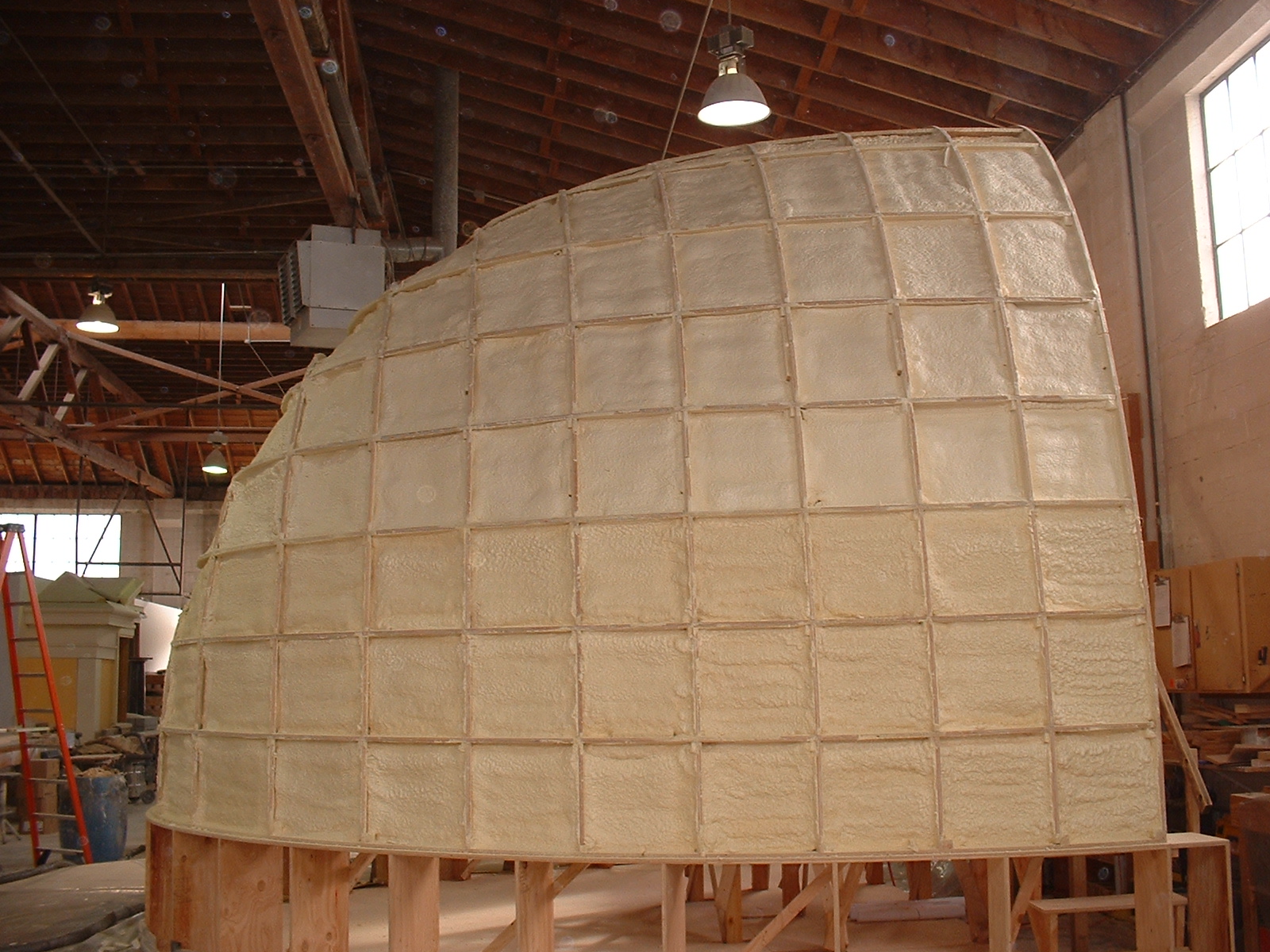
Spray foam insulation serves a different acoustic purpose. Its value for soundproofing comes primarily from its ability to create an airtight seal. When applied to gaps around windows, doors, plumbing penetrations, and electrical boxes, spray foam eliminates the tiny air pathways that let sound bypass even well-insulated walls. As noted in the Wikipedia soundproofing article, cured spray foam and closed-cell foam are not porous enough to absorb sound and are not dense enough to block it directly. However, they are irreplaceable for sealing the perimeter of assemblies, which is where the majority of sound leakage occurs in practice.
The comparison below highlights the acoustic strengths of each material type:
| Material Type | Sound Absorption in Cavity | Air Sealing Capability | STC Contribution (Typical) | Best Application |
|---|---|---|---|---|
| Mineral wool | High | Moderate | +5 to 8 STC points | Interior walls, ceilings, and floors between living spaces |
| Fiberglass batts | Moderate-High | Low | +3 to 6 STC points | General wall and ceiling cavities |
| Cellulose (blown-in) | Moderate-High | Low-Moderate | +4 to 7 STC points | Retrofit wall fills, attic sound control |
| Open-cell spray foam | Low | High | +2 to 4 STC points | Sealing gaps, irregular cavities |
| Closed-cell spray foam | Low | Very High | +1 to 3 STC points | Rim joists, sealing penetrations, moisture-prone areas |
One of the most overlooked factors in residential soundproofing is air leakage. Sound behaves like water in many ways; it will find and travel through any gap, crack, or unsealed penetration, no matter how small. According to NYC Department of Environmental Protection’s Residential Noise Control Guidance, it is generally recommended that residential interior walls should be at least STC 50 and exterior walls should be at least STC 60. Achieving those targets is nearly impossible without thorough air sealing.
The data is striking. A partition with a theoretical maximum transmission loss of 40 dB loses only 0.5 dB of performance with a 0.02% open area. But that same partition with just a 0.1% open area (the equivalent of an unsealed gap around an electrical box or a poorly caulked baseboard) drops to 30 dB, a 10 dB loss that makes a dramatic perceptible difference in what you hear on the other side.
Key areas to seal for acoustic performance include:
Spray foam insulation installation is particularly effective for these sealing applications because it expands to fill irregular shapes and adheres to framing, creating a continuous air barrier that also reduces sound flanking.
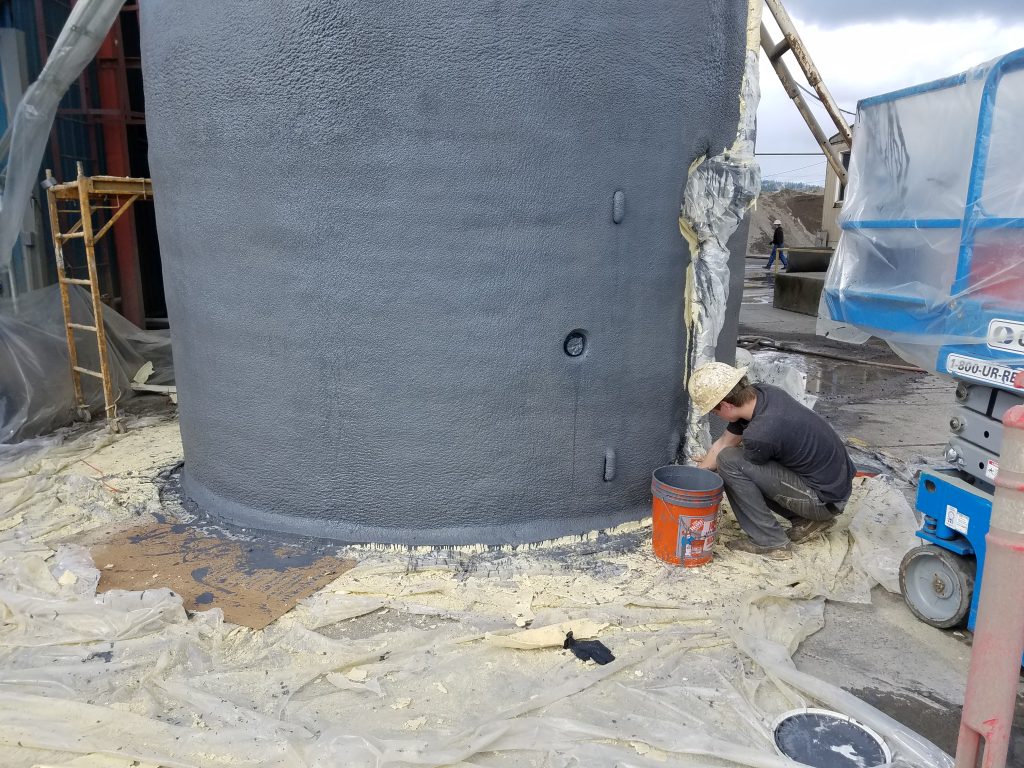
Airborne sound through walls gets most of the attention, but impact noise through floors and ceilings is often the bigger complaint in multi-story homes. Footsteps, dropped objects, and furniture movement transmit vibrations directly through the floor structure and into the ceiling below.
The IIC (Impact Insulation Class) rating measures how well a floor assembly resists this type of structure-borne sound. The current International Building Code requires a minimum IIC rating of 50, and the NYC DEP guidance recommends IIC 50 for living areas and IIC 60 for bedrooms.
Effective solutions for impact noise include:
The right approach to soundproofing with insulation depends on what noise problem you are trying to solve:
| Homeowner Need | Recommended Approach | Why It Works |
|---|---|---|
| New construction, general quiet | Mineral wool in all interior walls, plus spray foam air sealing | Maximizes STC from the start; easier to add decoupling techniques |
| Retrofit, noise between rooms | Blown cellulose or mineral wool in existing wall cavities plus gap sealing | Fills cavities without removing drywall; seals the most common leakage points |
| Noise from outside (traffic, neighbors) | Spray foam sealing around windows, doors, penetrations, plus mineral wool in exterior walls | Eliminates air pathways and adds cavity absorption for outdoor noise |
| Footstep noise from above | Resilient channels on the ceiling, mineral wool between joists, and acoustic underlayment on the floor above | Decouples structure-borne vibration and absorbs impact energy |
| Home theater or studio | Double-stud walls, double drywall layers, mineral wool fill, resilient channels on both sides | Multiple mass layers with decoupling and cavity fill approach STC 60+ performance |
Choosing the right team makes or breaks a soundproofing project. Look for these indicators:
Spray-On Foam & Coatings specializes in insulation solutions that improve both the thermal efficiency and acoustic comfort of your home. Our team evaluates your specific noise concerns, identifies air leakage paths, and recommends the right combination of materials and sealing techniques to meet your goals. Whether you are building new, retrofitting an existing home, or targeting a specific problem area like a shared wall or ceiling, we provide honest assessments and professional installation throughout the Vancouver, WA, and Portland, OR, metro areas.
Request a Free Quote | Schedule an Acoustic Assessment | Call us at (360) 667-1993 or email [email protected] to get started.
Spray foam is not an effective sound absorber on its own because it is not porous enough to trap sound waves inside cavities. Its real value for soundproofing comes from its ability to create an airtight seal around gaps, cracks, and penetrations that would otherwise let sound bypass your wall assemblies.
For bedrooms, target STC 52 or higher. For living rooms, kitchens, and bathrooms, aim for a minimum of STC 55. Interior walls between living spaces should be at least STC 36, and exterior walls should reach a minimum of STC 36 to 40, depending on your noise environment.
Yes, blown-in materials like cellulose or mineral wool can be dense-packed into existing wall cavities through small holes drilled in the drywall. Combined with sealing electrical boxes and perimeter gaps, this retrofit approach can add 4 to 7 STC points without removing existing finishes.
Fibrous insulation between floor joists absorbs some of the airborne portion of impact noise, but the primary solutions for footstep noise are structural decoupling (resilient channels), resilient underlayment beneath flooring, and carpet with thick padding to absorb energy at the source.
Mineral wool is denser and has a slightly higher Noise Reduction Coefficient than standard fiberglass, which gives it a small edge in acoustic performance. The difference is most noticeable in mid-to-high frequencies. Both materials deliver meaningful STC improvements when properly installed inside stud cavities.