

Spray-On Foam & Coatings provides waterproofing services in Battle Ground, WA that keep water out of crawl spaces, foundations, roofs and concrete surfaces. The right fix depends on where the water is coming from, so we inspect first and recommend the simplest option that solves the problem. We've been in business since January 1, 1973.
Water damage rarely starts with a flood. It usually starts with small signs that get a little worse every wet season.
Watch for these:
Start with the cheap fixes. Clogged gutters, short downspouts and soil that slopes toward the house cause plenty of wet crawl spaces. If cleaning gutters and extending downspouts solves it, you don't need us. If water still shows up after that, a waterproofing contractor should find the source before anything gets sealed over.
We treat water problems as a whole-building job: keep liquid water out, control vapor, and fix the structure if it has moved. Here's how our residential waterproofing services and commercial work break down.
If you've been searching for basement waterproofing services but your home sits on a crawl space, this is usually where moisture control starts. Crawl space encapsulation covers the ground and walls with a sealed vapor barrier and closes the space off from damp outside air. That protects floor framing and insulation from constant moisture.
Closed cell spray foam is dense and resists water. Sprayed on foundation walls and rim joists, it insulates and slows moisture moving through concrete. Paired with foundation insulation, it forms the core of our foundation waterproofing services. Foam won't stop running groundwater, though, so we'll tell you if drainage is the real issue.
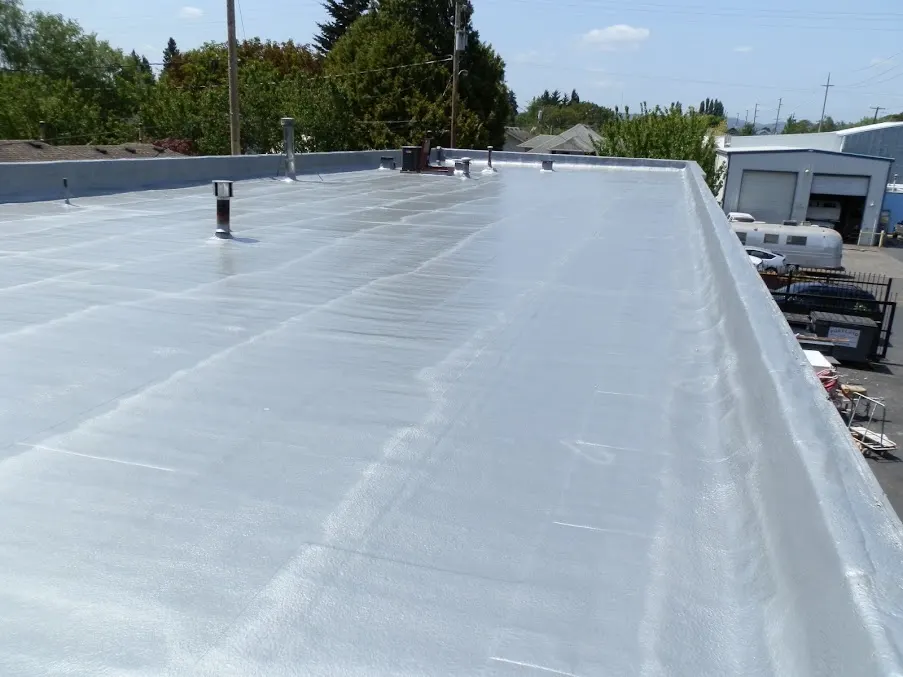
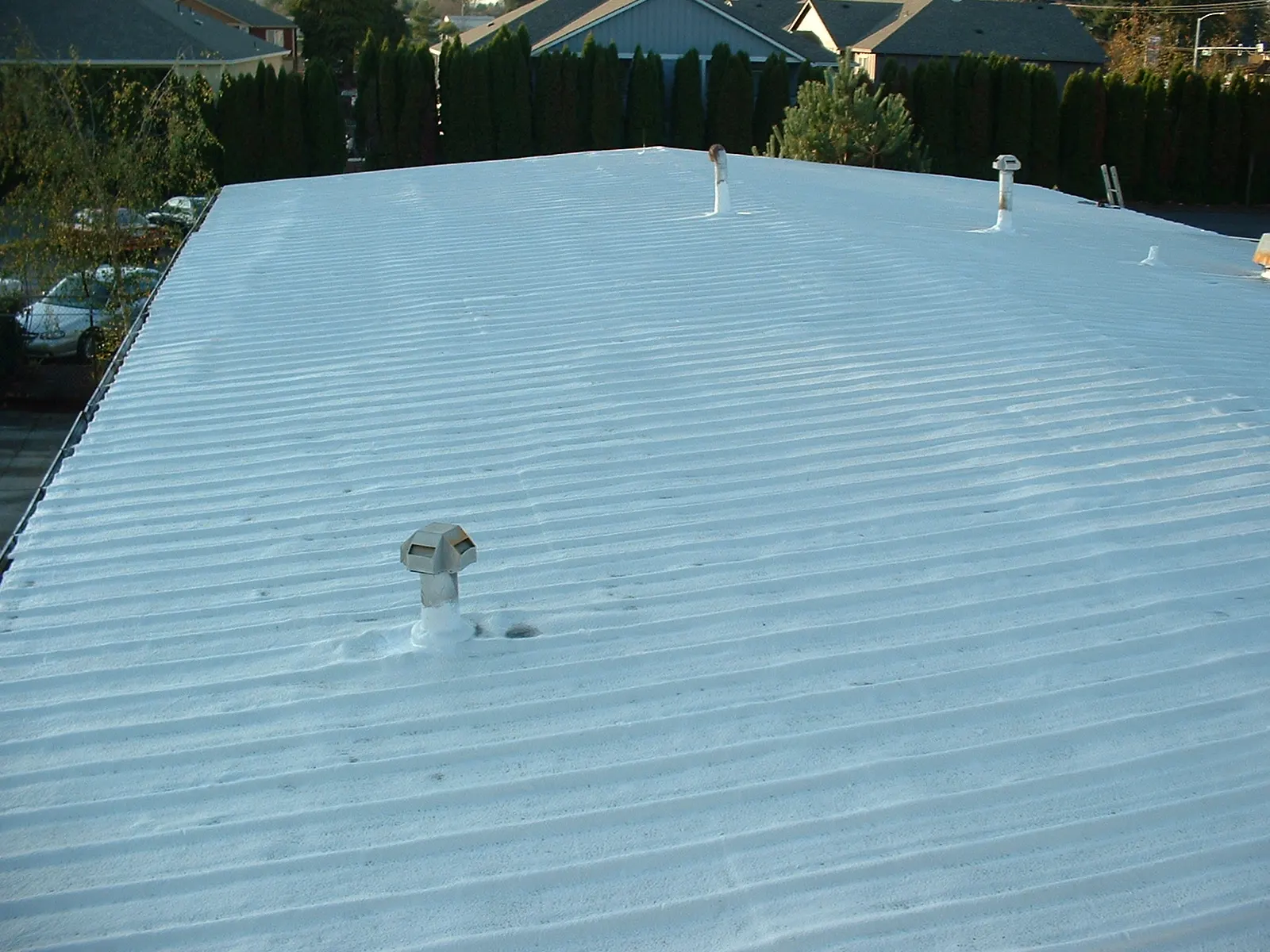
Polyurea coatings bond to concrete and metal and set quickly, which suits shop floors, containment areas, tanks and high-traffic surfaces. Our roof coatings and spray foam roofing form a continuous waterproof layer with no seams over an aging roof. A coating only works on a sound deck; rotted structure needs repair first.
Water and movement go together. Cracked or settled foundations let water in, and wet soil can let concrete sink. Our foundation repair, soil stabilization and concrete lifting work corrects that movement so any seal or coating has a stable surface to hold.
Extreme Weather Watch compiles NOAA 1991-2020 data for the Battle Ground station, which shows roughly 52 inches of precipitation a year, with November and December each averaging close to 8 inches and July averaging well under an inch. The Office of the Washington State Climatologist puts the statewide average for the same 30-year period at about 45 inches, so Battle Ground runs wetter than Washington as a whole. In practice, the soil around foundations stays wet for months, and crawl spaces face steady moisture from fall through spring. Sealing and encapsulating before the wet season is far easier than drying out a soaked crawl space after it.
Soil matters as much as rain. Clark County sorts its roughly 110 local soil types into five groups based on how well they drain, ranging from excessively drained soils to poorly drained and wetland soils. On poorly drained ground, rainwater lingers near footings instead of soaking away, which raises the risk of damp crawl spaces and settling concrete. Two homes a few streets apart can behave very differently, which is why we check the site before recommending anything, and why the drier summer months are usually the easiest window for coating and crawl space work.
Every job follows the same steps, so you know what you're paying for before work starts.
We couldn't find reliable published cost data for Battle Ground, and two jobs rarely match, so we quote each property after seeing it. These factors drive the price:
| Factor | Why It Matters |
|---|---|
| Size of the area | More square footage means more material and labor |
| Access | Low or tight crawl spaces take longer to work in |
| Existing damage | Wet insulation or debris must come out first |
| Type of fix | Encapsulation, foam, coatings and repair differ in material cost |
| Structural movement | Settled concrete or cracked walls add repair work |
Waterproofing companies don't all solve the same problems. Some focus on drainage and pumps, while others, like us, focus on sealing, coatings, insulation and foundation work. Ask any waterproofing company you call where they think the water is coming from, whether a cheaper fix might work, and whether the quote is in writing.
If you're seeing musty smells, damp concrete or a wet crawl space, get it checked before the next round of fall and winter rain. Call Spray-On Foam & Coatings at (360) 667-1993 or email [email protected] to book an inspection and a free quote.
Often, yes. In a place with long wet seasons, a sealed crawl space keeps ground moisture away from framing and insulation. If gutters and grading are the only problem, fix those first.
Yes. Polyurea bonds to concrete and sets fast, so it works well on garage floors, shop floors and containment areas.
It resists water and slows moisture through walls, but it doesn't replace drainage. Active leaks or groundwater need to be handled separately.
Those aren't among our listed services. If inspection shows you need interior drainage, we'll say so plainly, and we can still handle encapsulation, coatings or foundation repair around it.
It depends on the work and the jurisdiction. Check with your local building department, or ask us during your free quote.
Extreme Weather Watch - Battle Ground annual and monthly precipitation (NOAA 1991-2020 data).
Office of the Washington State Climatologist - Washington statewide average precipitation, 1991-2020.
Clark County - Clark County soil drainage groups.