Spray-On Foam & Coatings offers residential and commercial insulation, protective coatings, and related services for different building applications. Our spray foam insulation services in Tigard, OR cover thermal protection, air sealing, and specialized insulation requirements. Material selection depends on the building's construction, existing condition, and intended use.
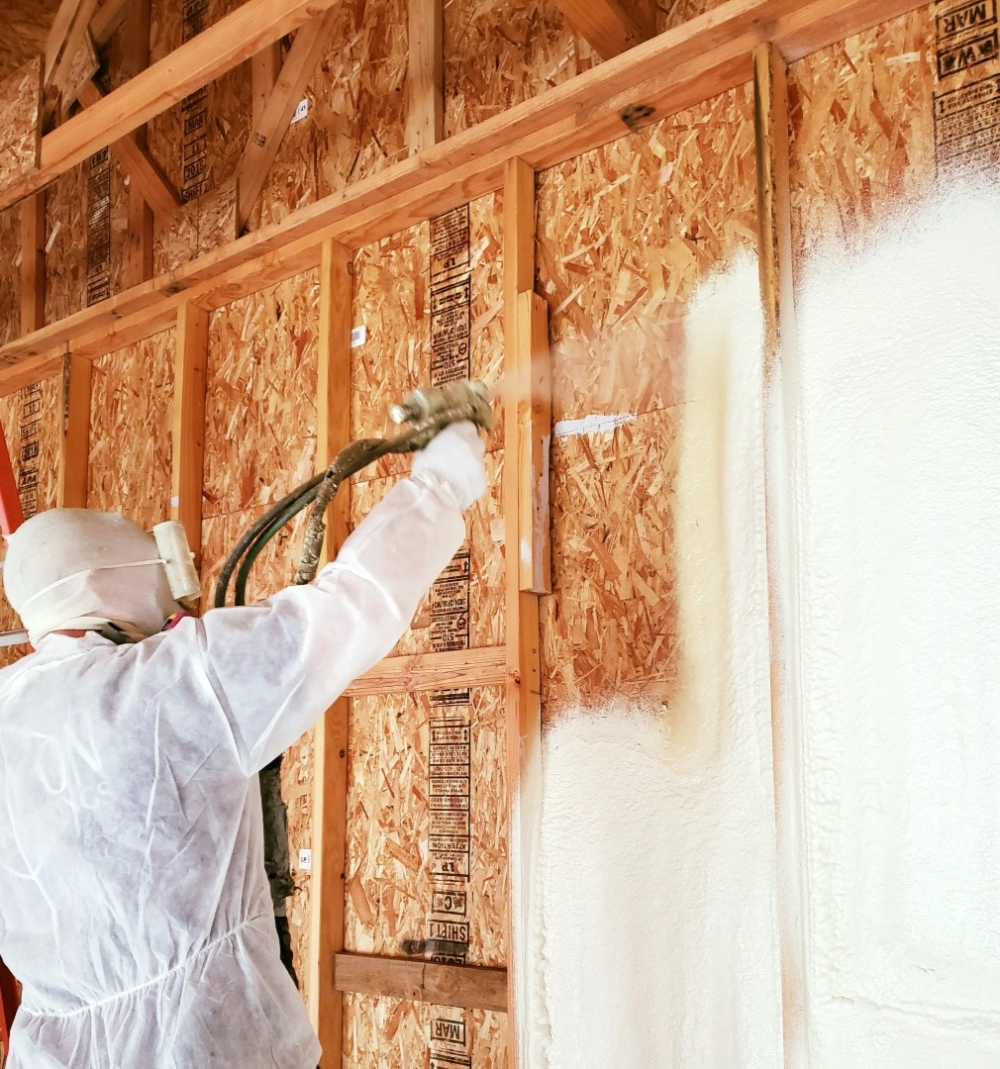
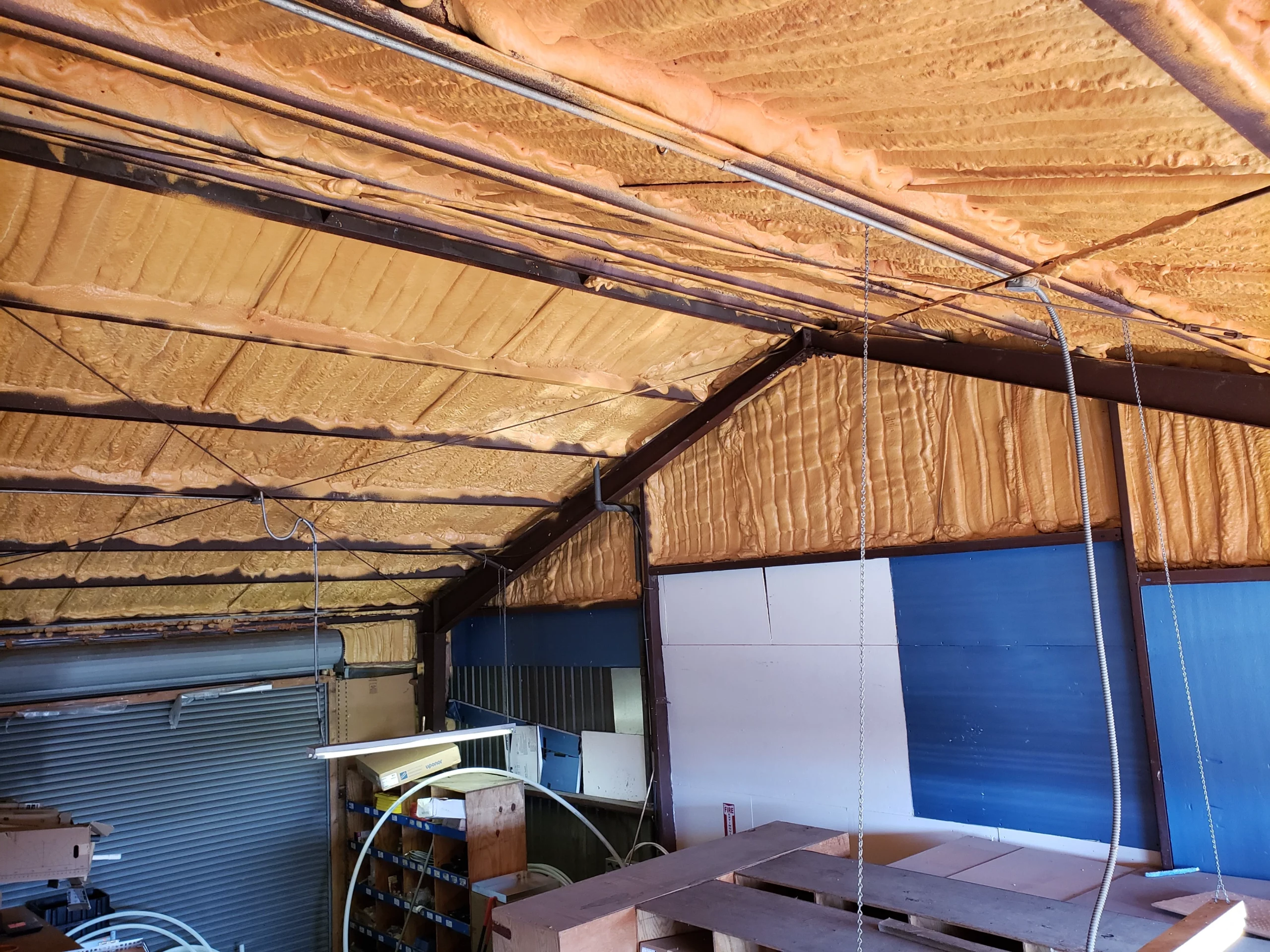
Open Cell Spray Foam Insulation
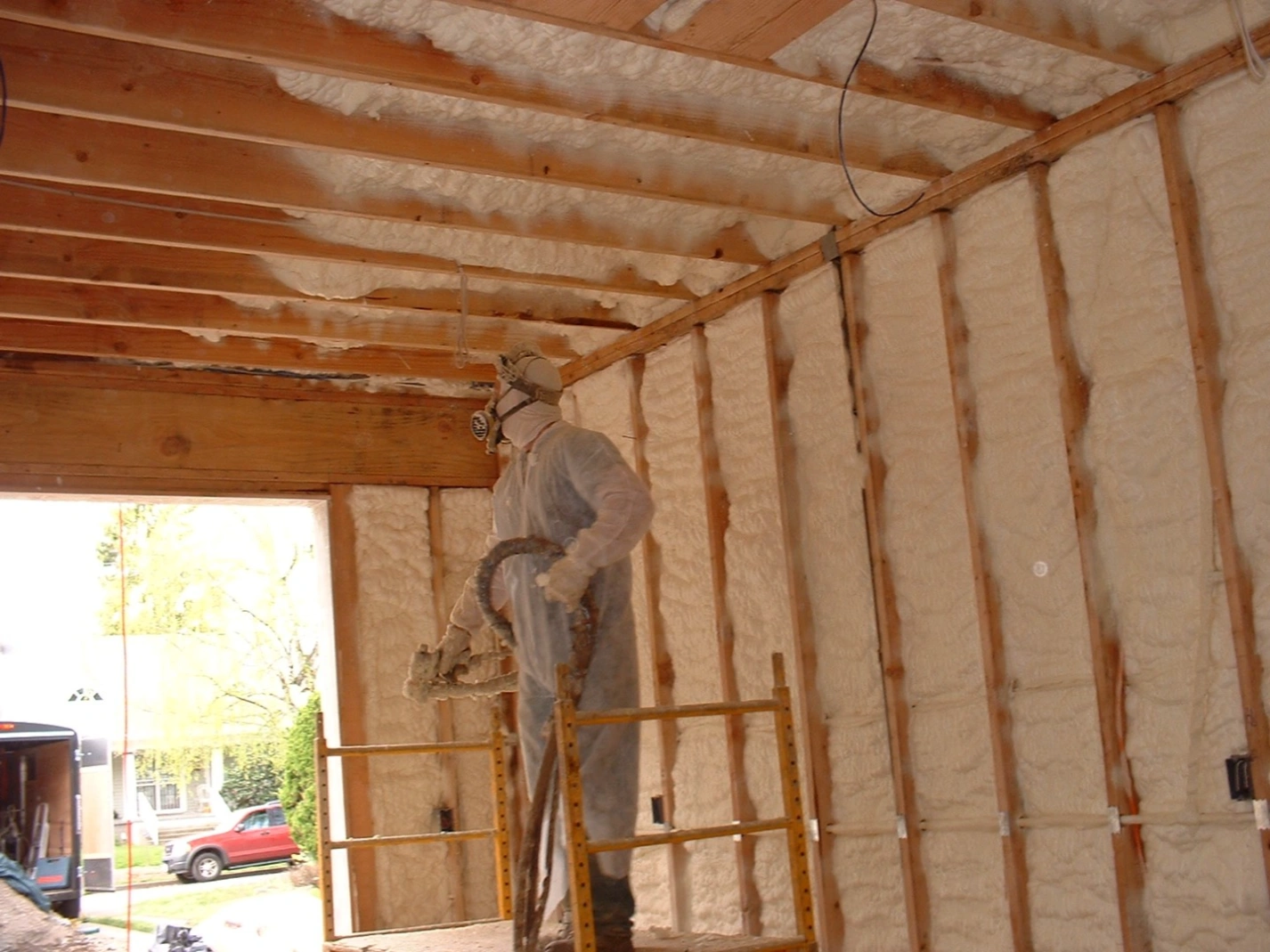
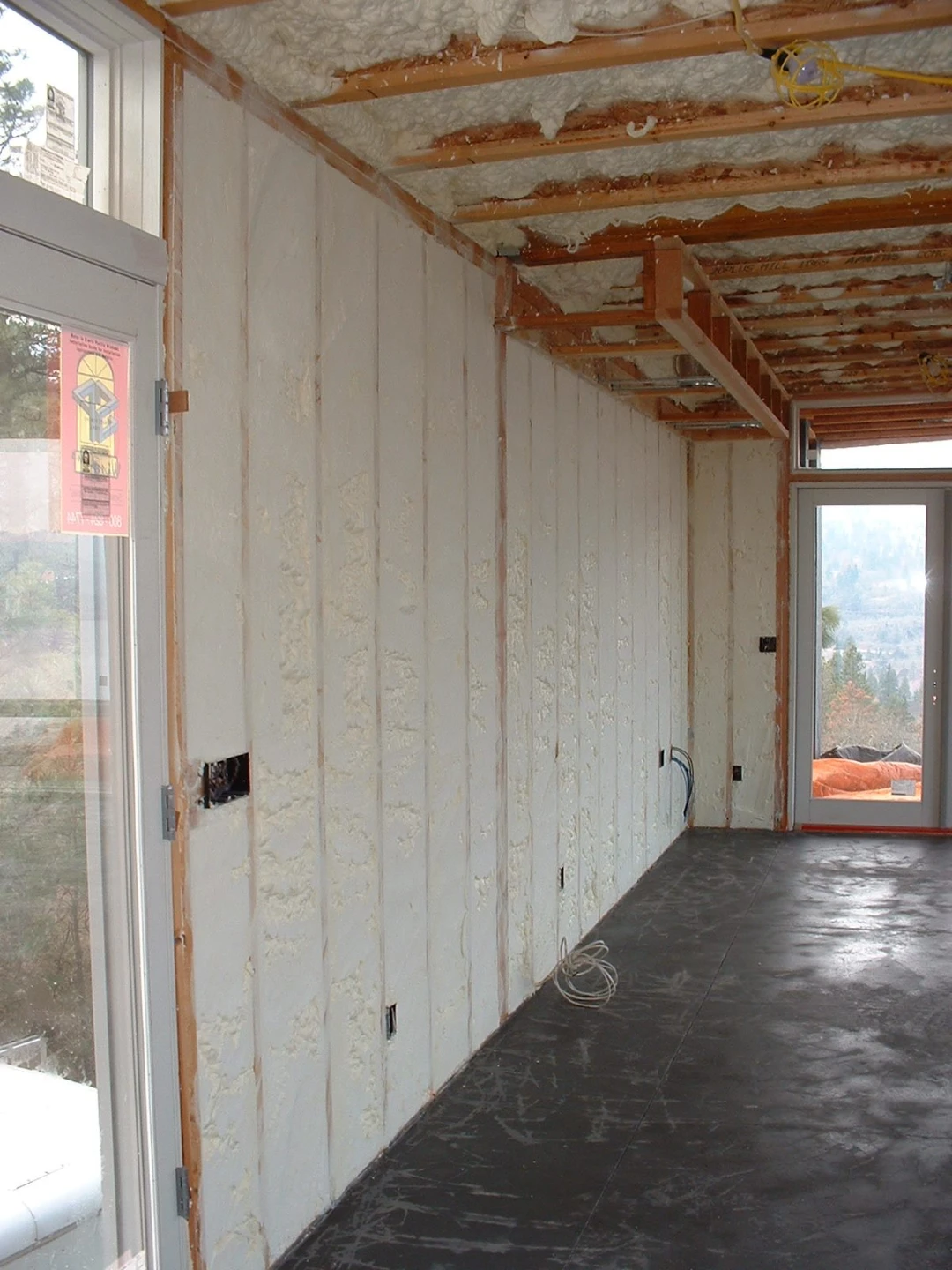
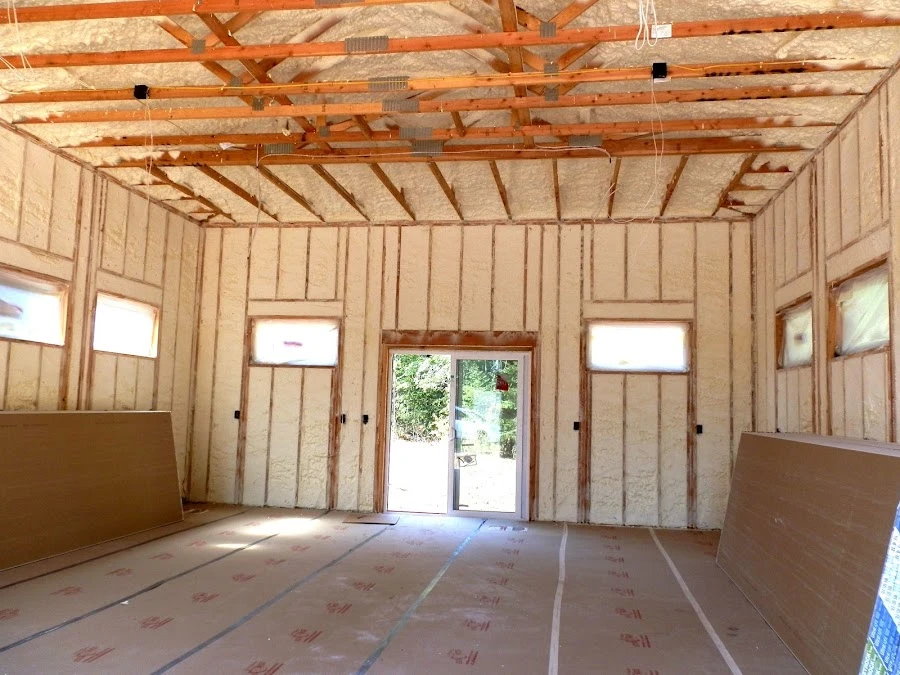
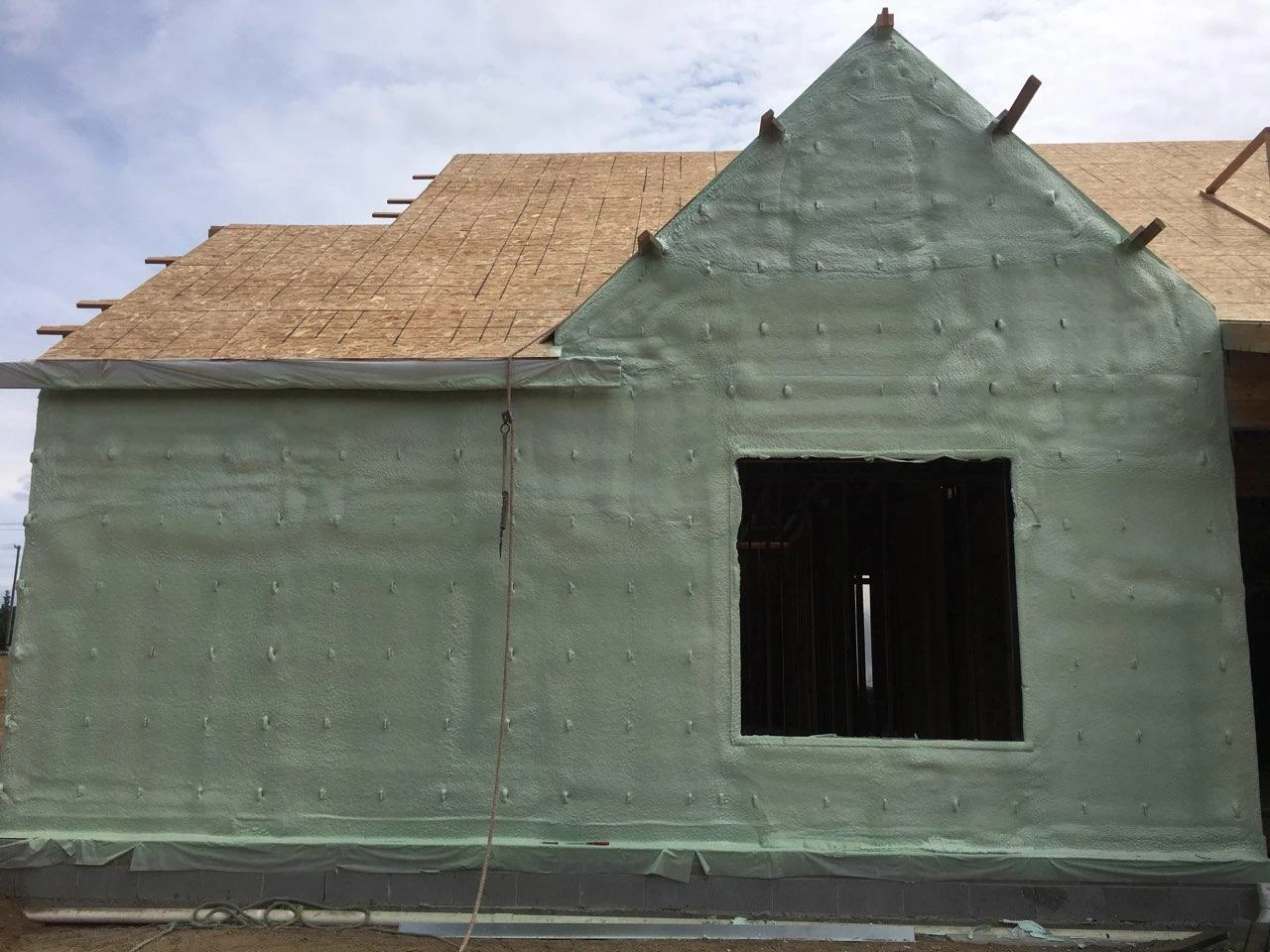
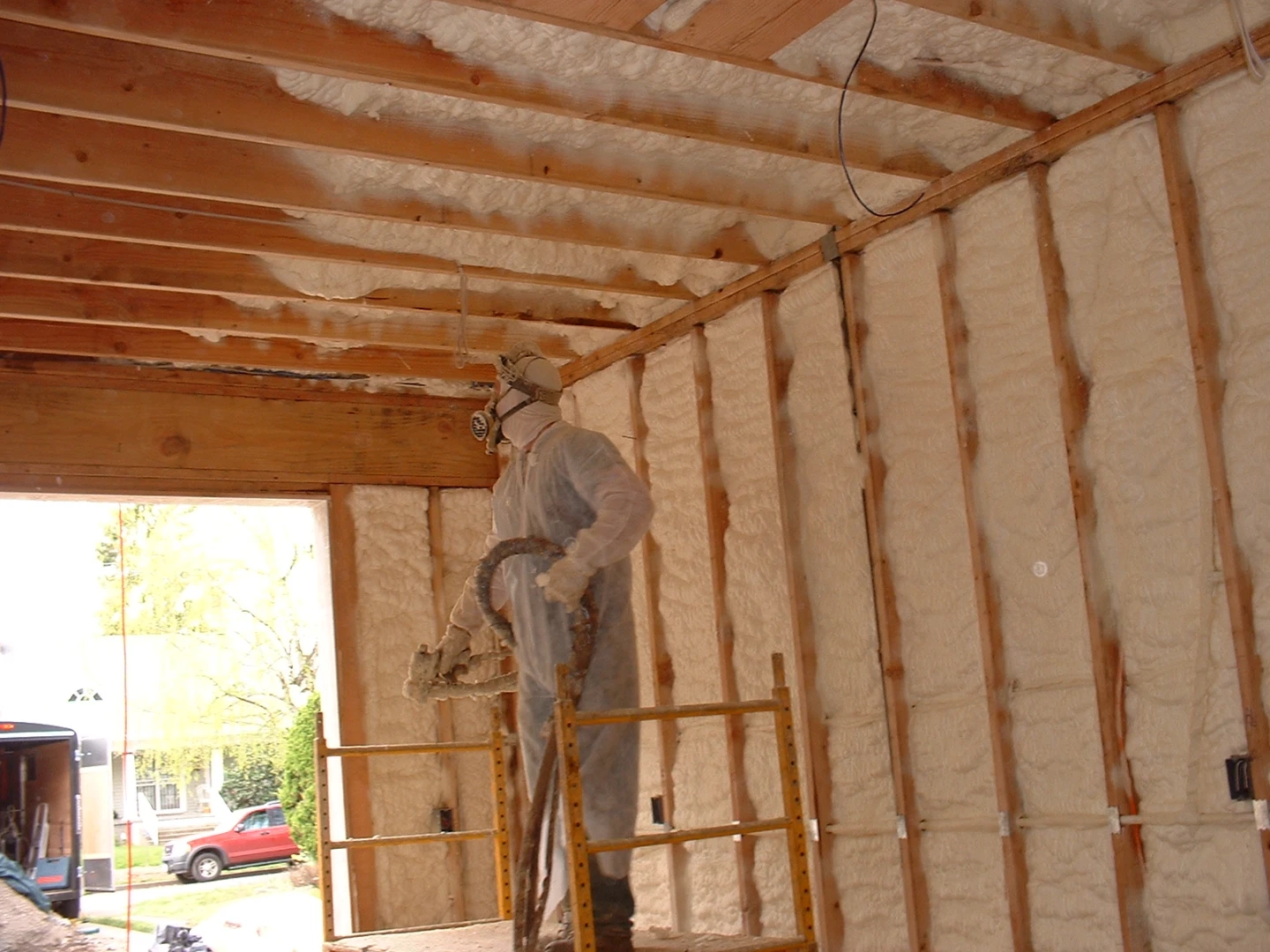
Open cell spray foam expands within suitable framing cavities, reducing air movement and providing thermal resistance. Its vapor permeability requires appropriate moisture management within building assemblies.
Closed Cell Spray Foam
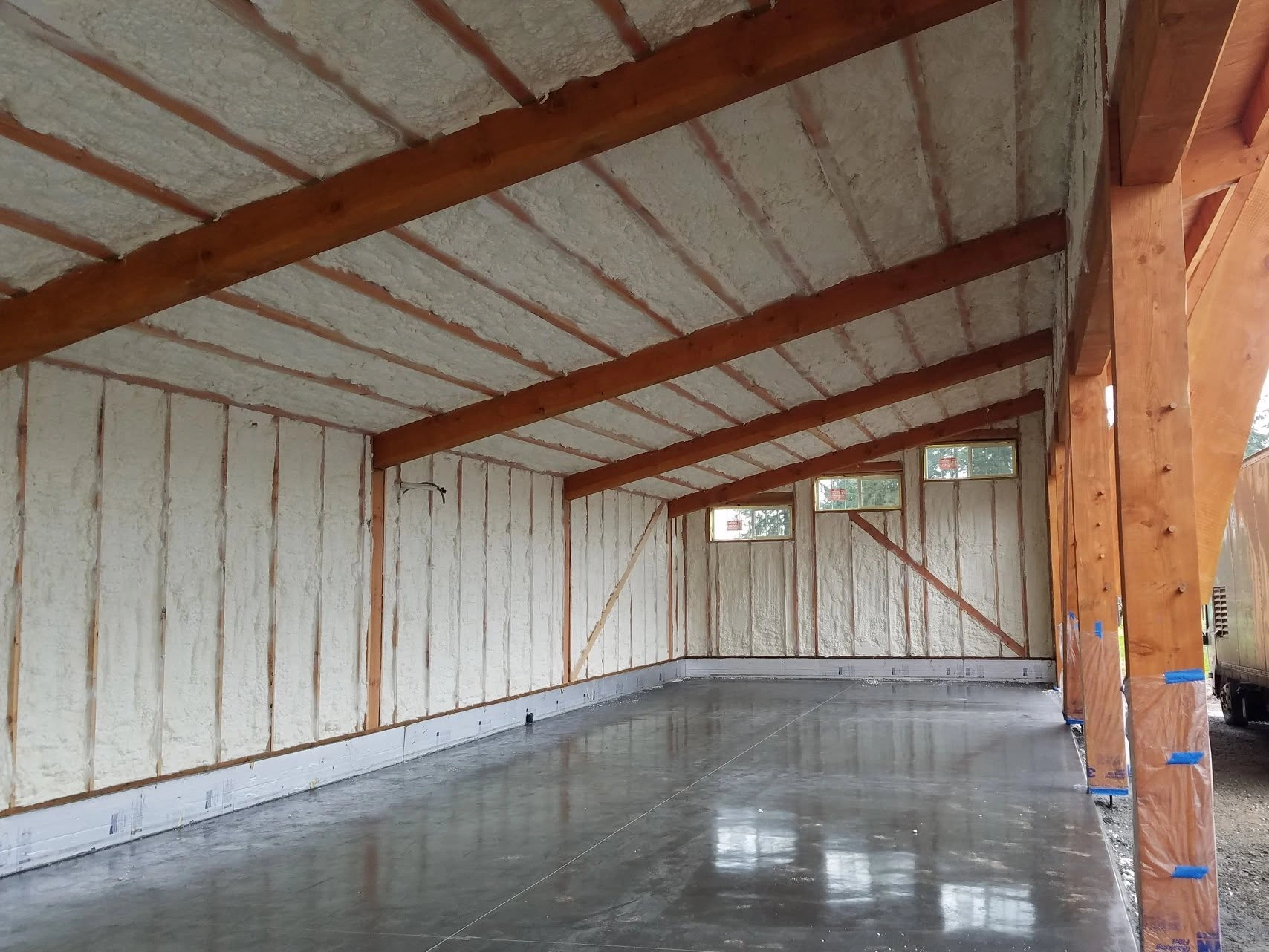
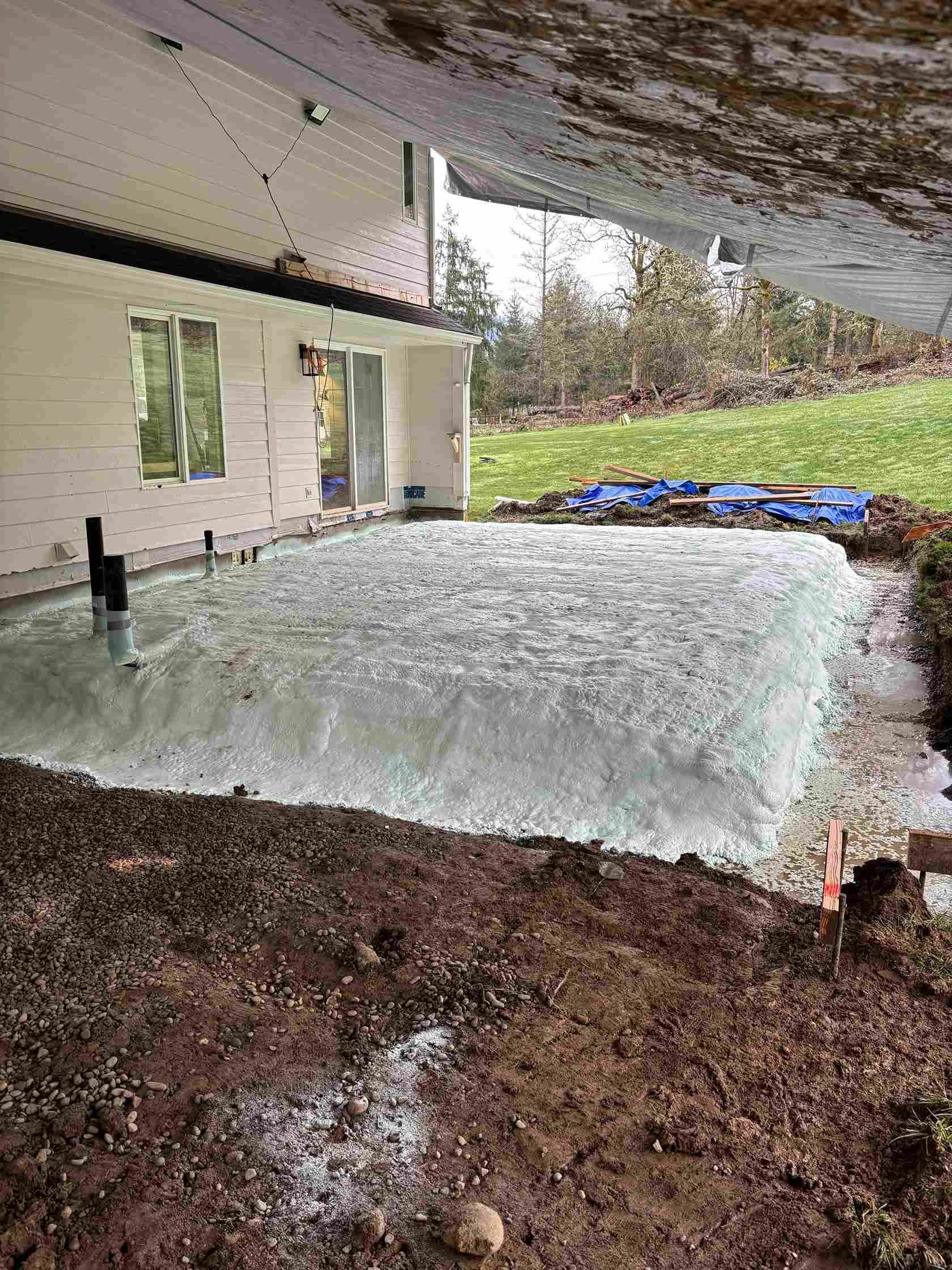
Closed cell spray foam provides higher thermal resistance per inch and greater vapor resistance than open cell foam. Suitable applications depend on assembly design and conditions.
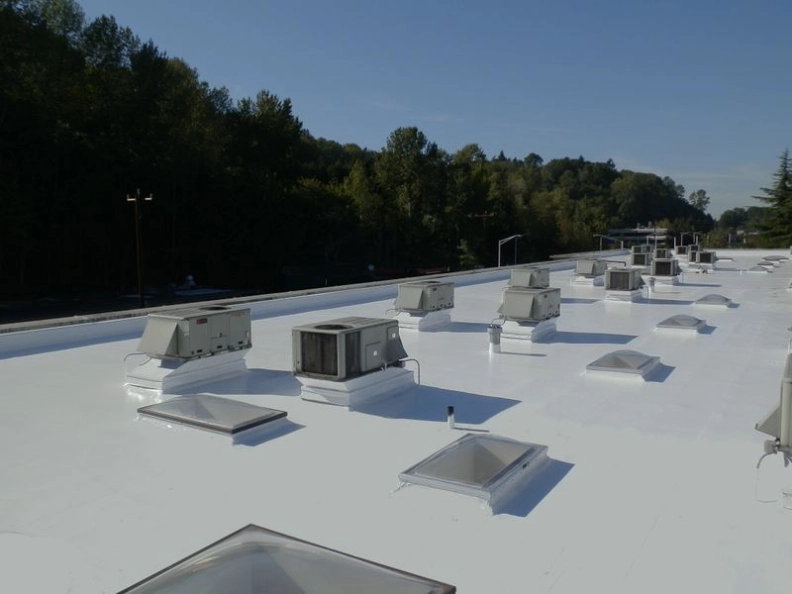
Spray Foam Roofing
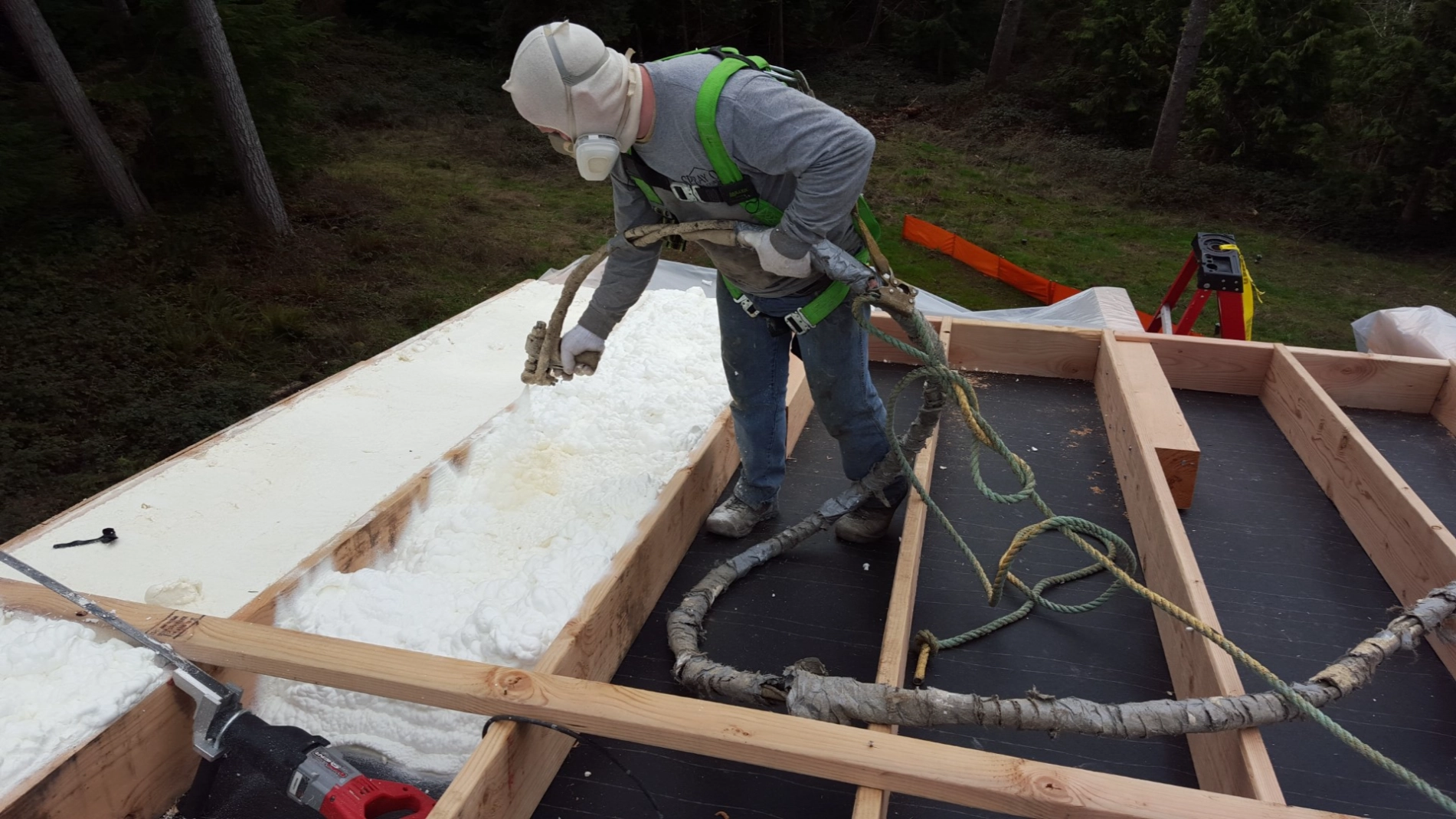
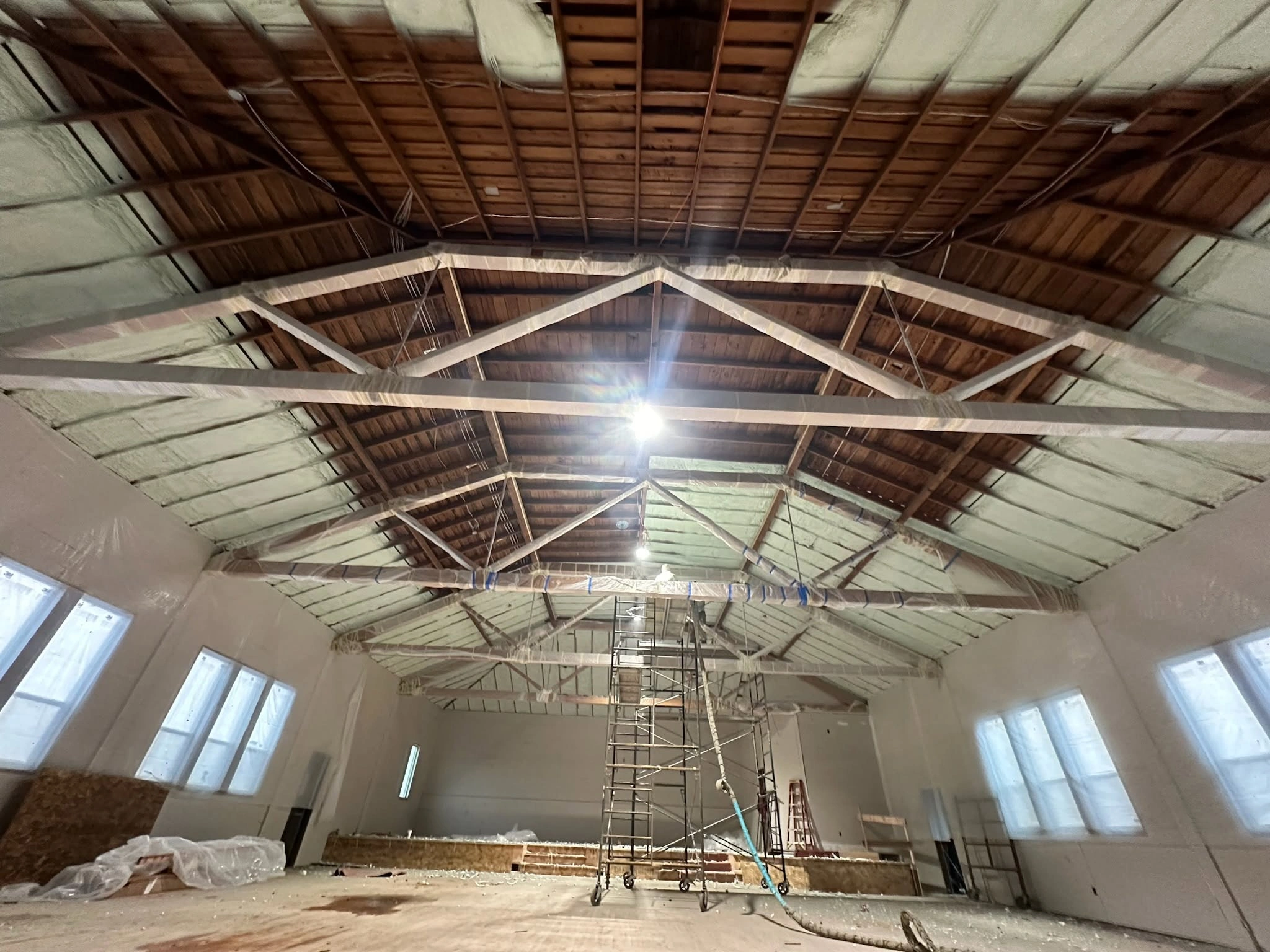
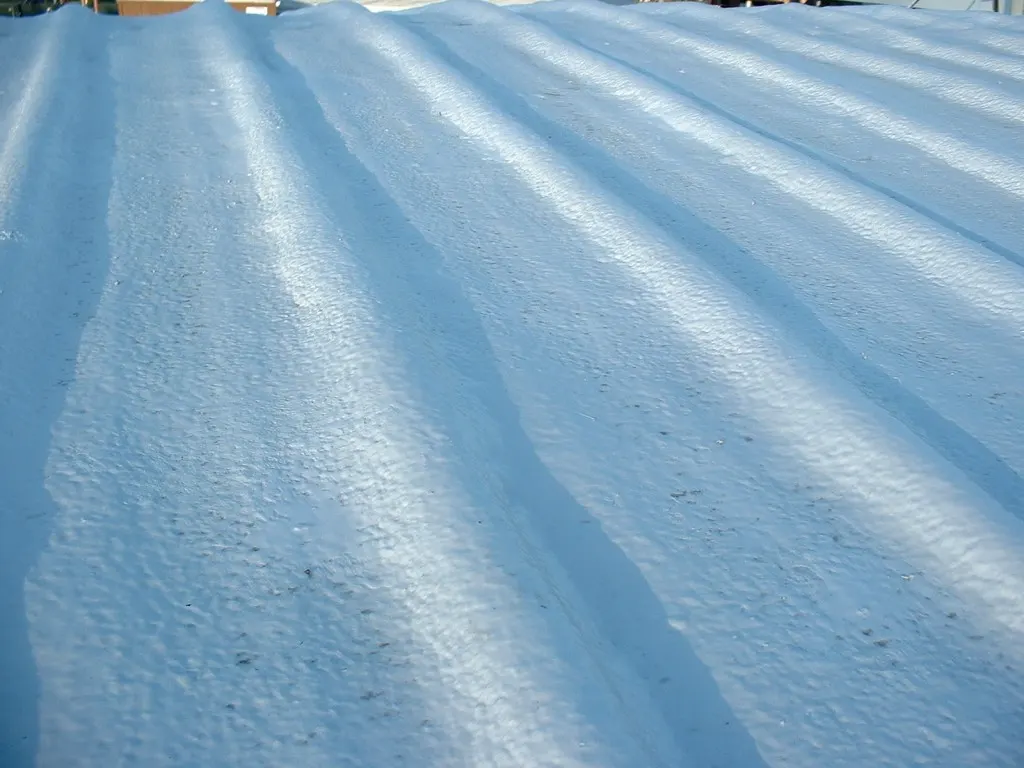
Spray polyurethane foam roofing creates a continuous insulating layer on compatible roof surfaces. Proper drainage, surface preparation, protective coatings, and maintenance support its intended long term performance.
Commercial Insulation
Commercial insulation helps control heat transfer in offices, warehouses, and other facilities. Material selection depends on building use, mechanical systems, accessibility, and applicable construction requirements.
Residential insulation
Residential insulation reduces unwanted heat transfer through walls, ceilings, and floors. Existing construction, available cavities, moisture conditions, and ventilation requirements influence suitable materials and installation methods.
Roof Coatings
Roof coatings help protect compatible roofing materials against weather exposure. Surface condition, drainage, preparation requirements, and coating compatibility determine appropriate products and application methods for roofs.
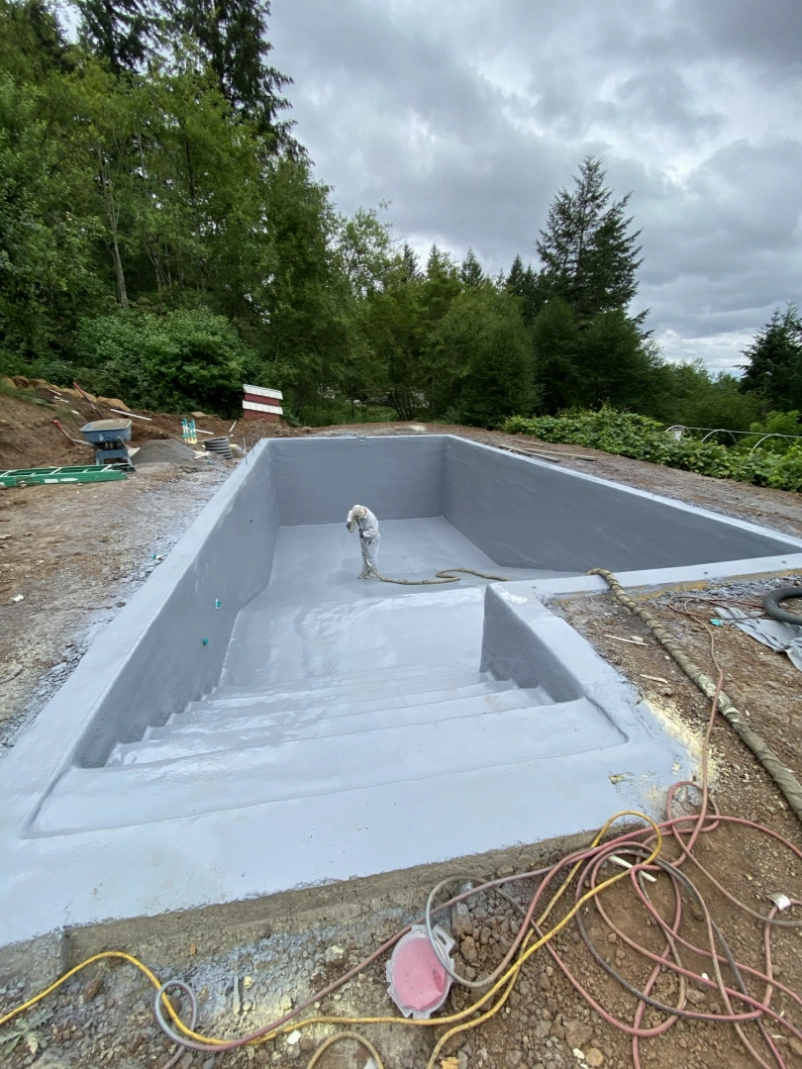
Polyurea Coatings
Polyurea coatings provide protective membranes on suitable prepared surfaces. Material specifications depend on expected wear, substrate compatibility, environmental exposure, and the coating system selected for application.
Retrofit Insulation
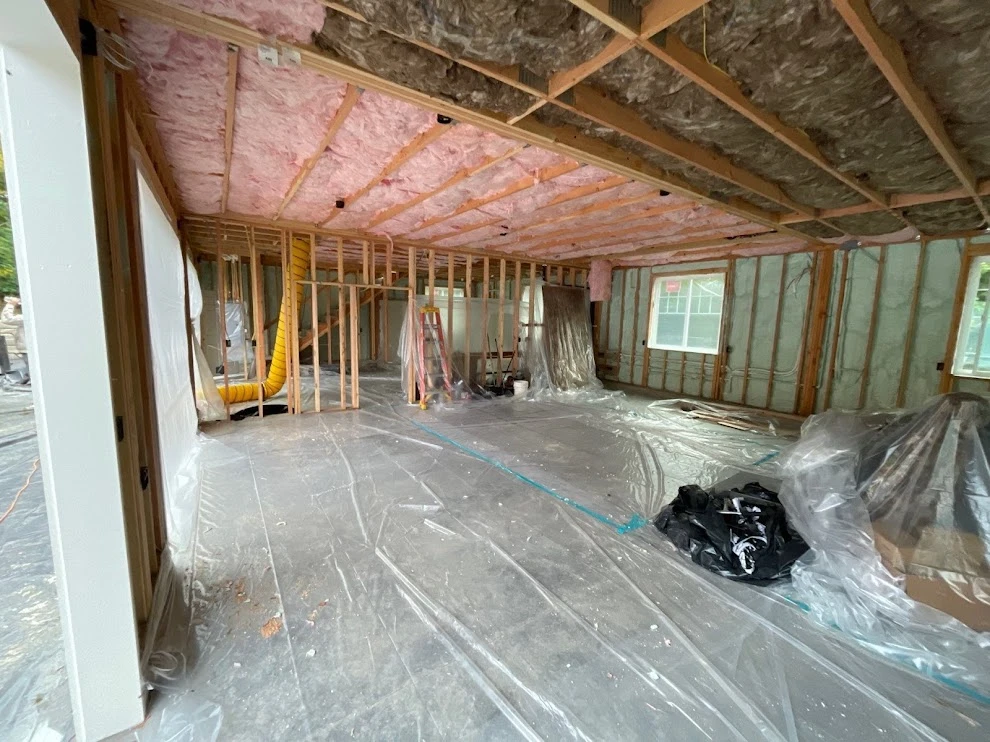
Retrofit insulation improves thermal protection in existing structures. Accessible cavities, current insulation, moisture problems, and renovation plans guide suitable materials, preparation requirements, and installation decisions.
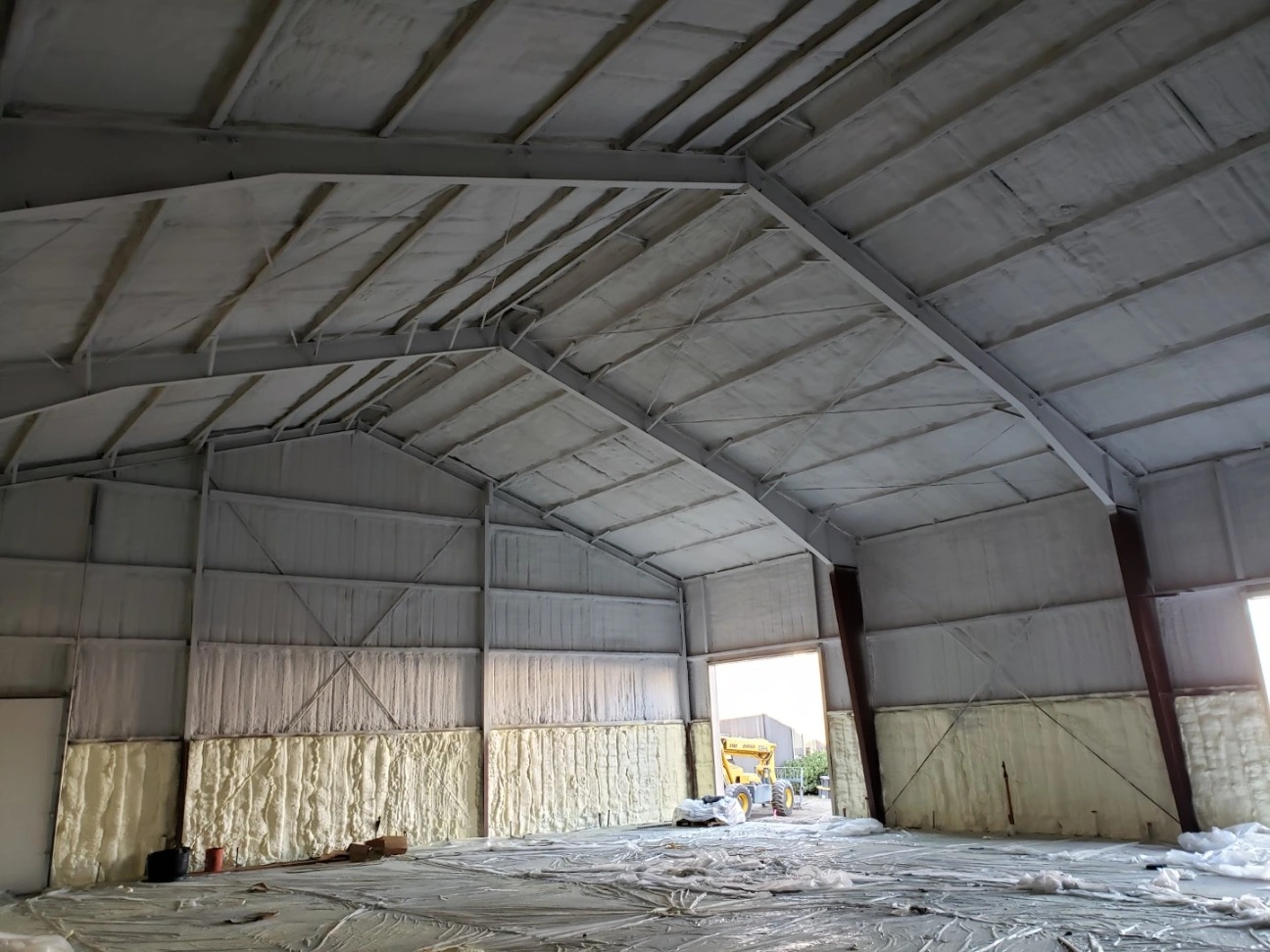
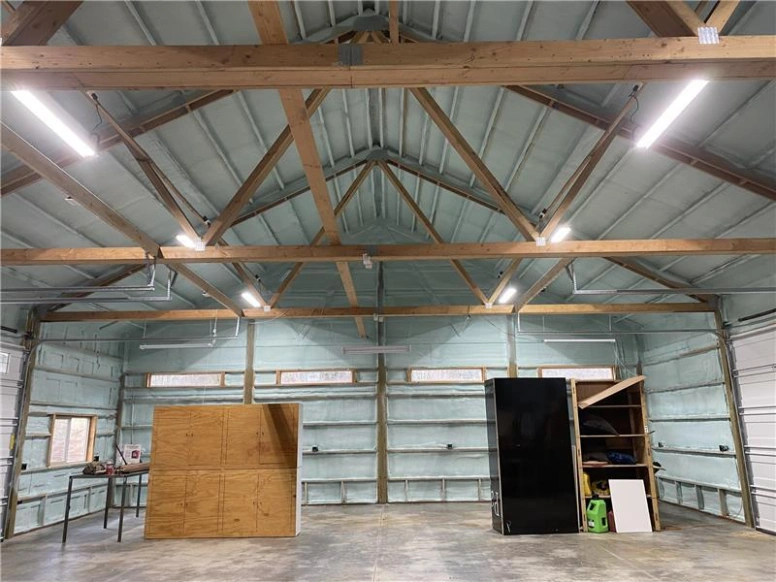
Pole Barn insulation
Pole barn insulation helps limit heat transfer and manage condensation risks. Metal surfaces, building use, ventilation, and vapor control requirements influence suitable insulation material selection.
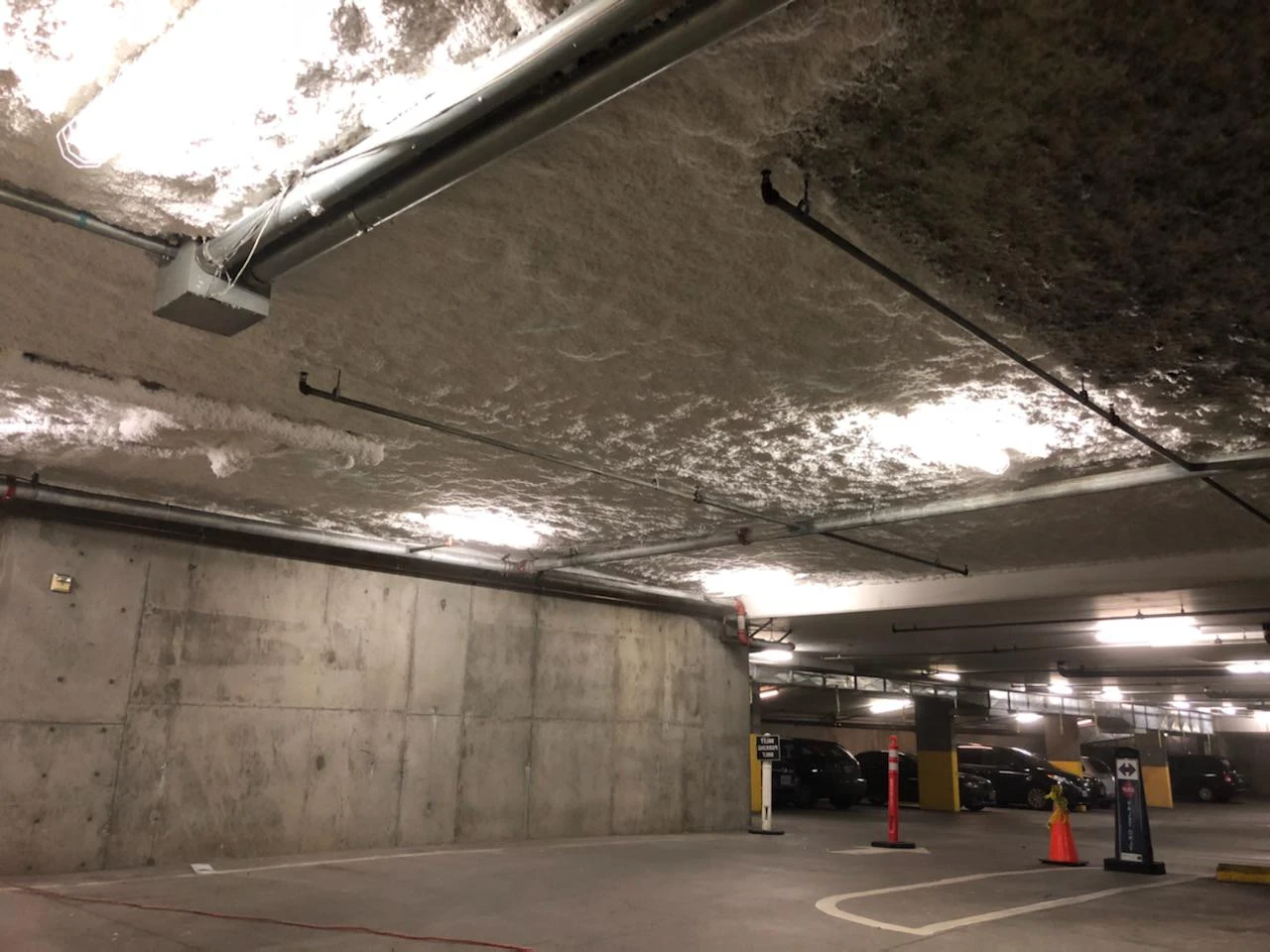
K-13 Sound Proofing
K-13 acoustic spray treatment absorbs sound in suitable interior environments. Application thickness, substrate preparation, acoustic requirements, and fire performance specifications determine appropriate uses and installation conditions.
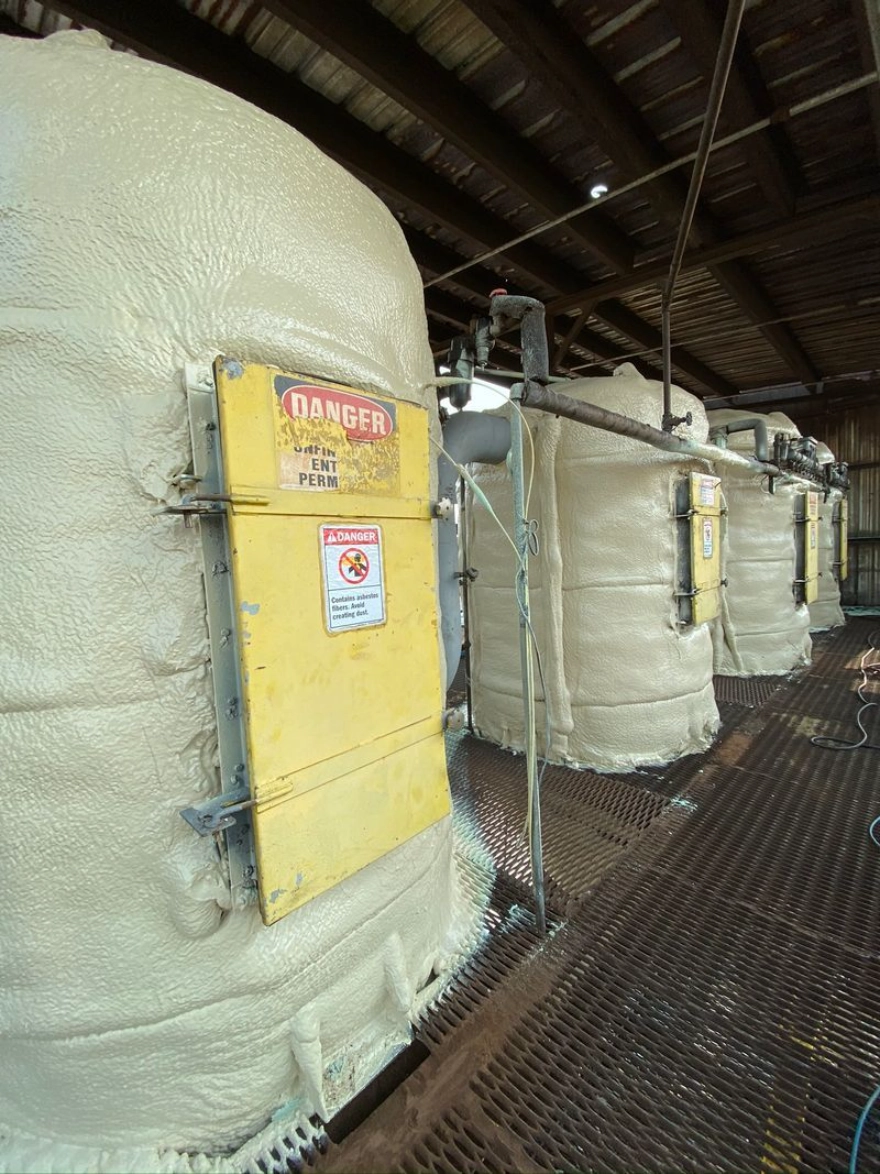
Tank spray foam/insulation
Tank spray foam insulation limits heat transfer through compatible tank surfaces. Operating temperatures, substrate condition, weather exposure, and maintenance access guide material and application selection decisions.
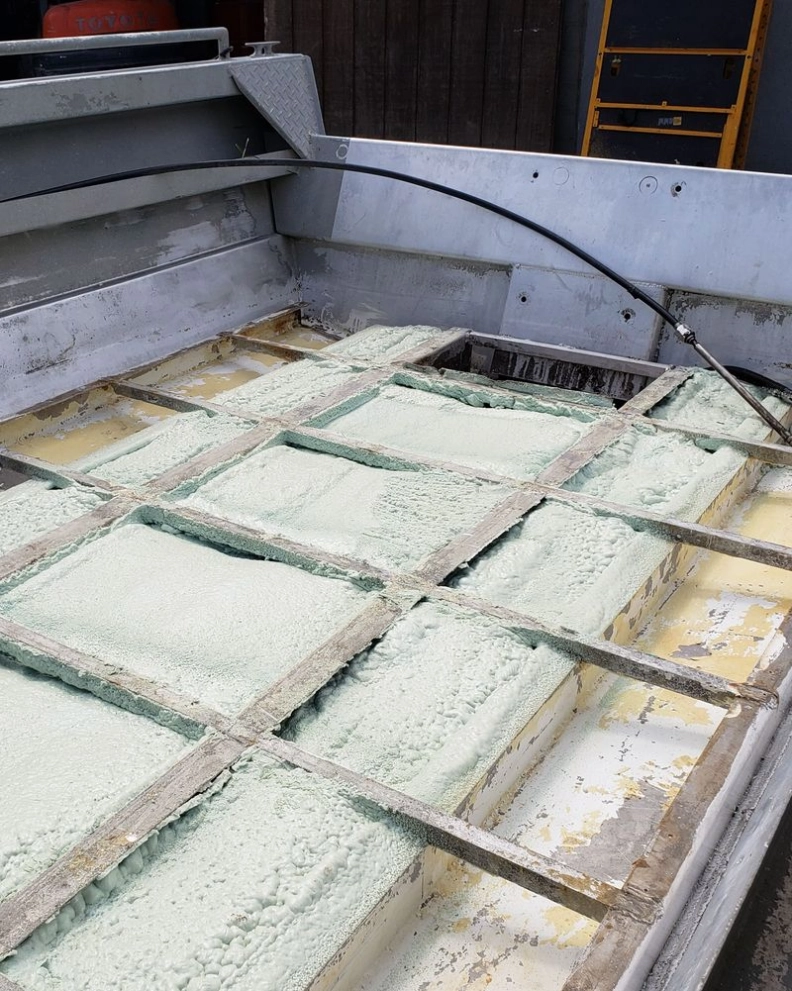
Marine/Boat Application
Marine and boat insulation applications require materials compatible with vessel conditions. Moisture exposure, fire safety, added weight, and equipment accessibility influence appropriate system selection and installation.
Agricultural Insulation Services
Agricultural insulation helps manage temperature changes in barns, storage facilities, and other agricultural buildings. Ventilation, humidity, animal occupancy, and cleaning requirements influence material and application choices.
Blown-In Insulation
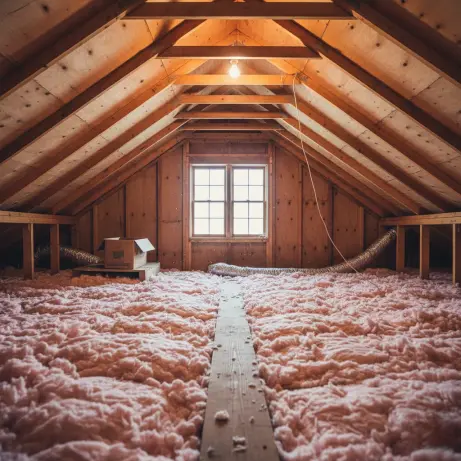
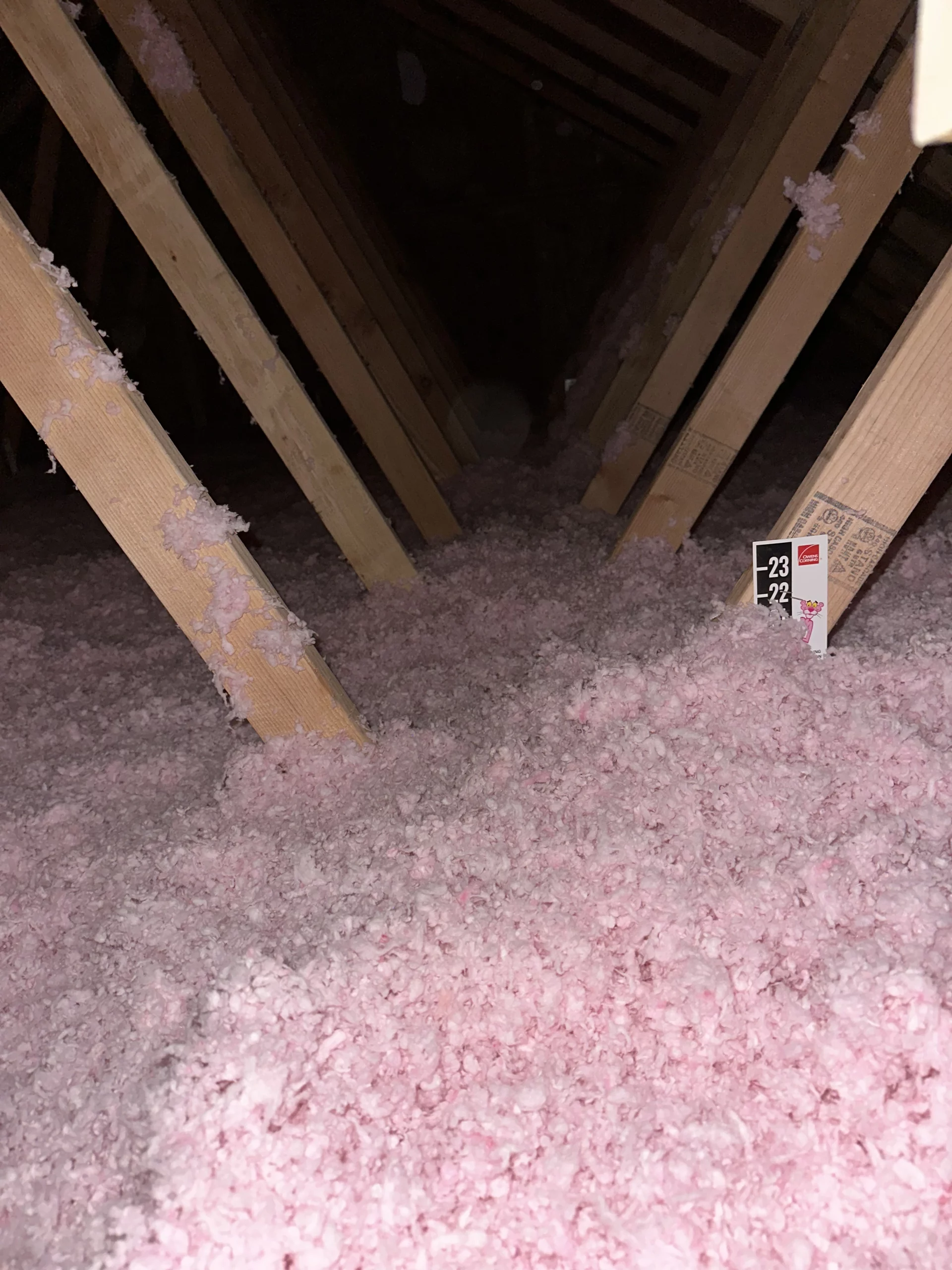
Blown-in insulation fills accessible attics and enclosed cavities with loose fiber materials. Proper installation density, depth, ventilation clearances, and cavity conditions influence the finished thermal coverage.
Air Sealing
Air sealing addresses gaps around penetrations, framing connections, and other leakage paths. Identifying these openings helps reduce drafts and supports the performance of installed insulation materials.
Attic Insulation
Attic insulation reduces heat transfer between conditioned rooms and upper building spaces. Existing insulation, air leakage, roof ventilation, and moisture conditions guide appropriate upgrade decisions.
Insulation Removal
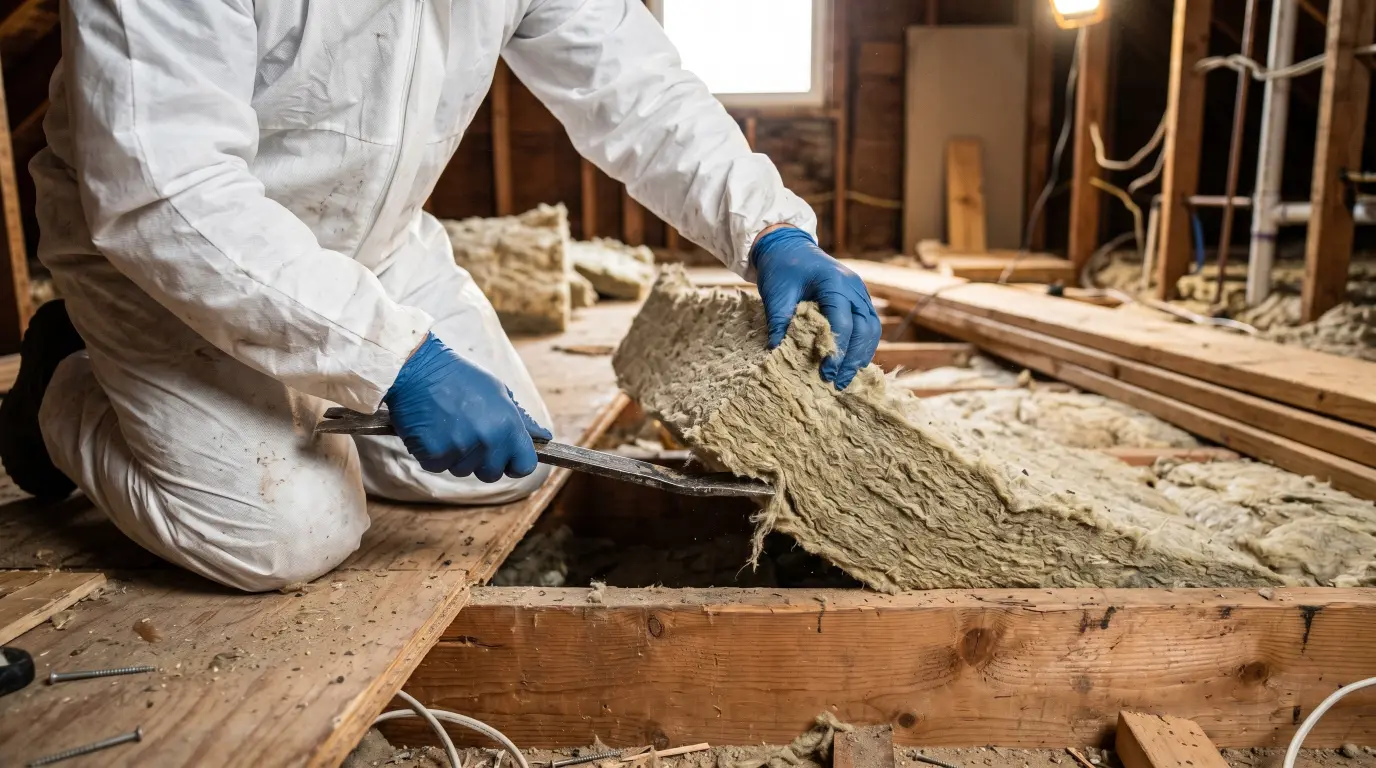
Insulation removal clears damaged, contaminated, or unsuitable materials before replacement. Appropriate handling depends on insulation type, accessibility, material condition, and potential hazardous substances requiring additional assessment.
Crawl Space Insulation
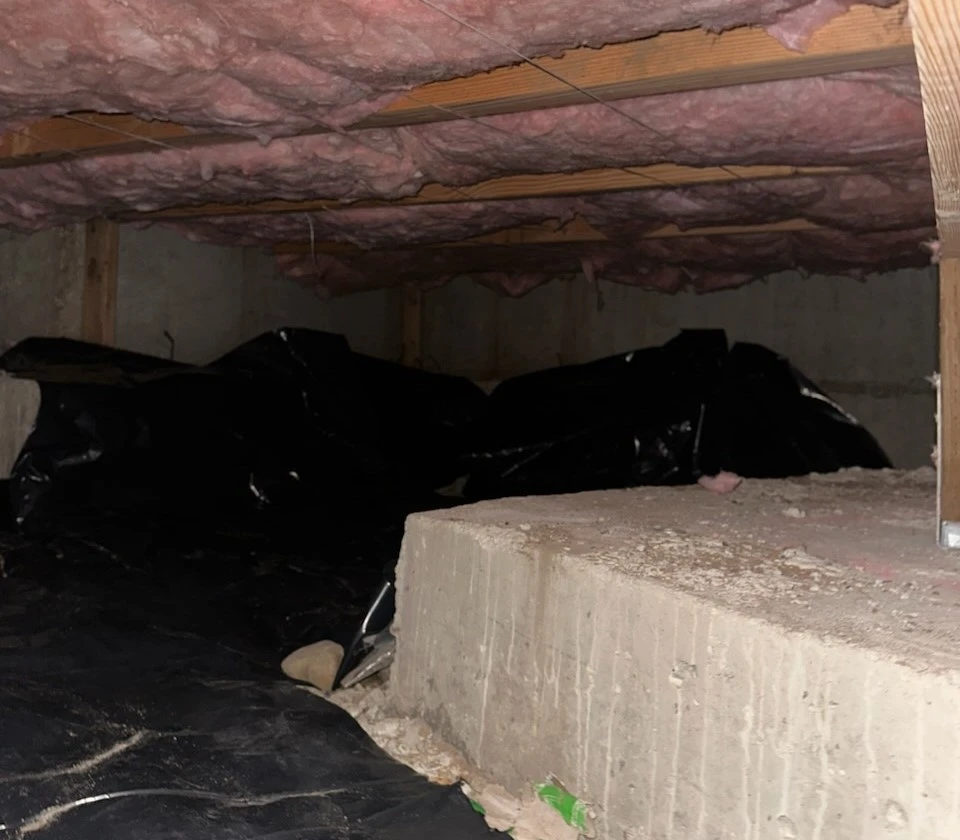
Crawl space insulation helps limit heat transfer beneath occupied rooms. Moisture conditions, floor construction, ventilation strategy, and exposed plumbing influence suitable insulation materials and placement.
Fiberglass insulation
Fiberglass insulation provides thermal resistance within suitable framing cavities and attics. Correct fitting, consistent coverage, air sealing, and appropriate moisture control support its intended performance.
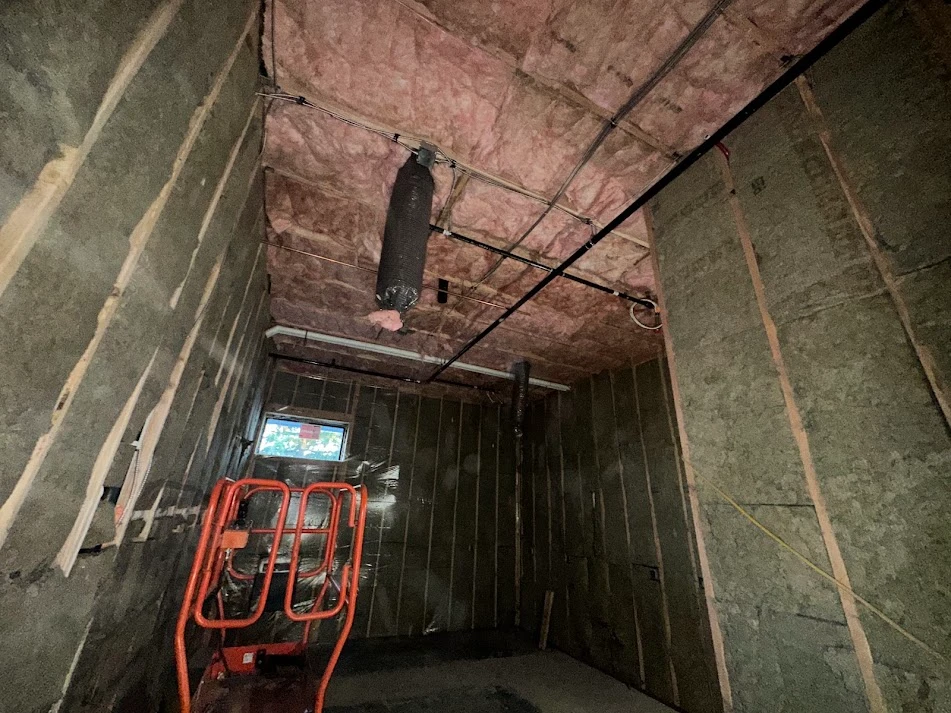
Mineral wool insulation
Mineral wool insulation provides thermal resistance and sound absorption within appropriate building assemblies. Cavity dimensions, fire protection requirements, and installation conditions influence suitable material selection.
New construction insulation
New construction insulation is coordinated with framing, mechanical systems, and inspections. Material selection and installation methods help address thermal envelope requirements and control unwanted air leakage.
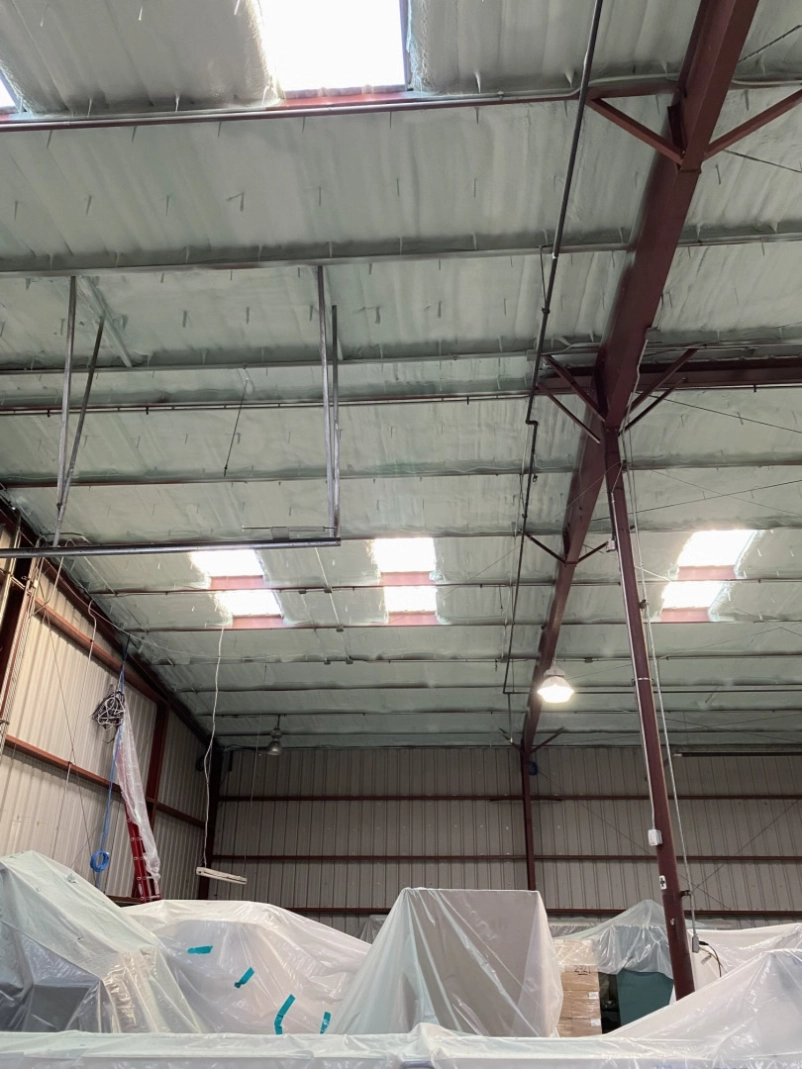
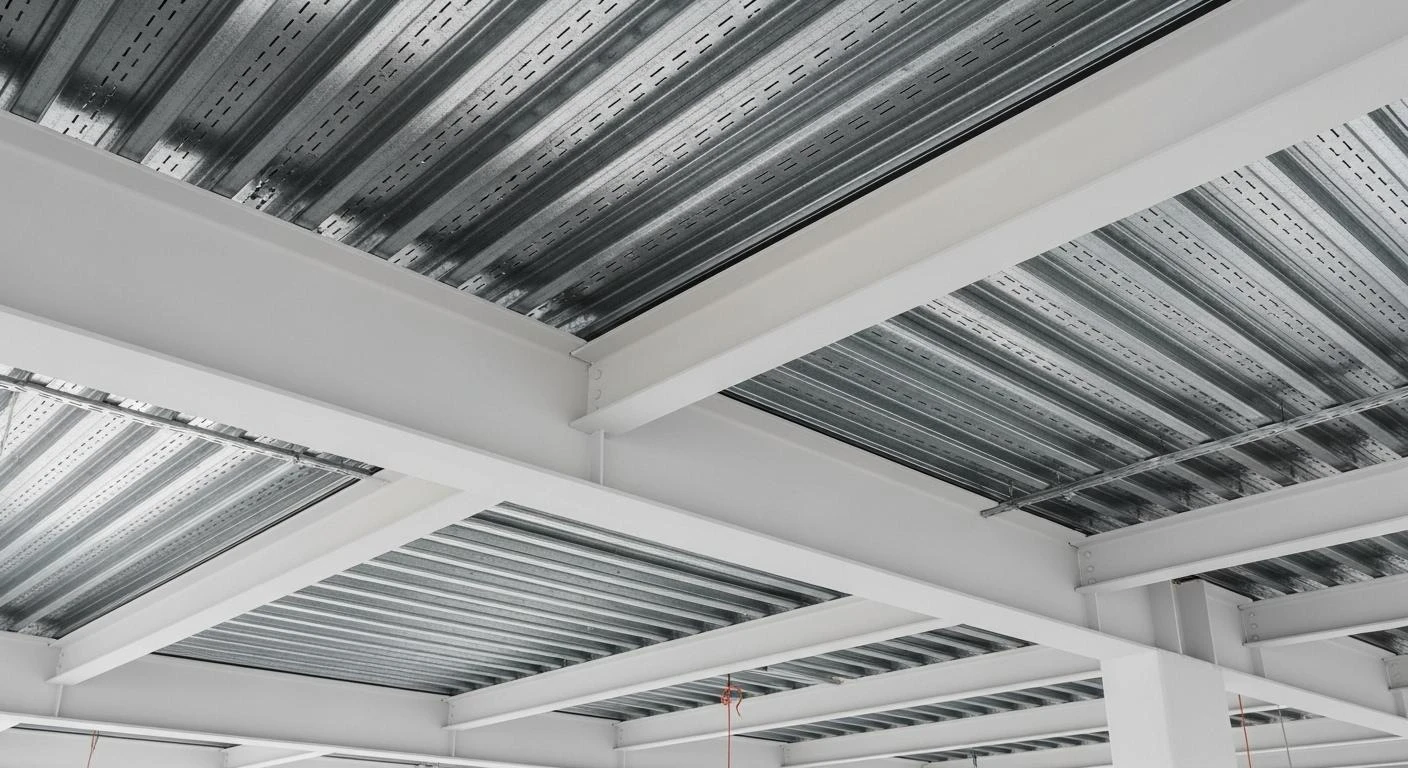
Metal building insulation
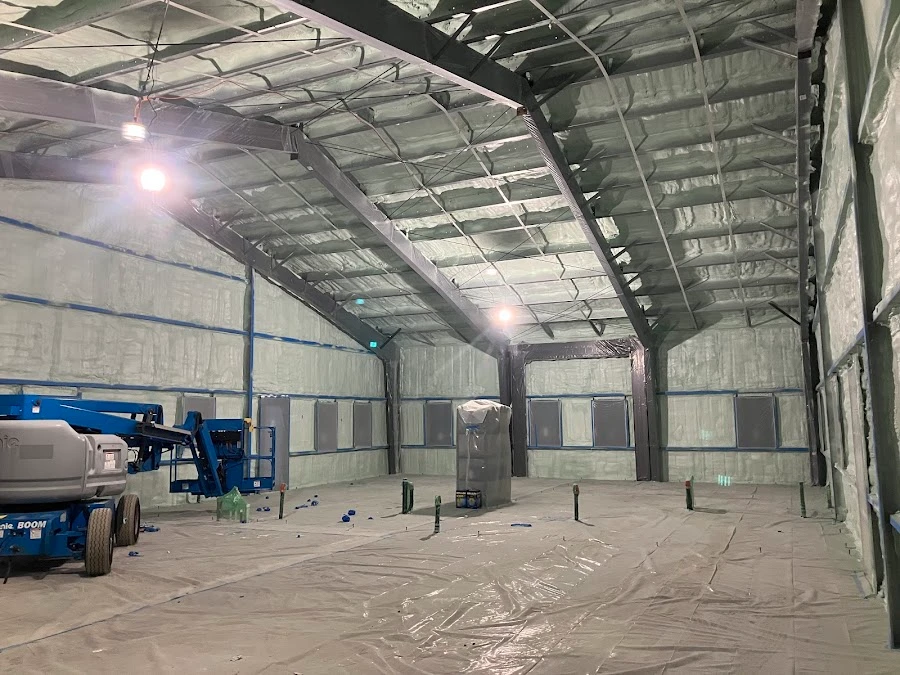
Metal building insulation limits heat transfer through walls and roofs. Thermal bridging, condensation risks, occupancy, and protective covering requirements influence appropriate system design and installation decisions.
Residential Spray Foam Insulation
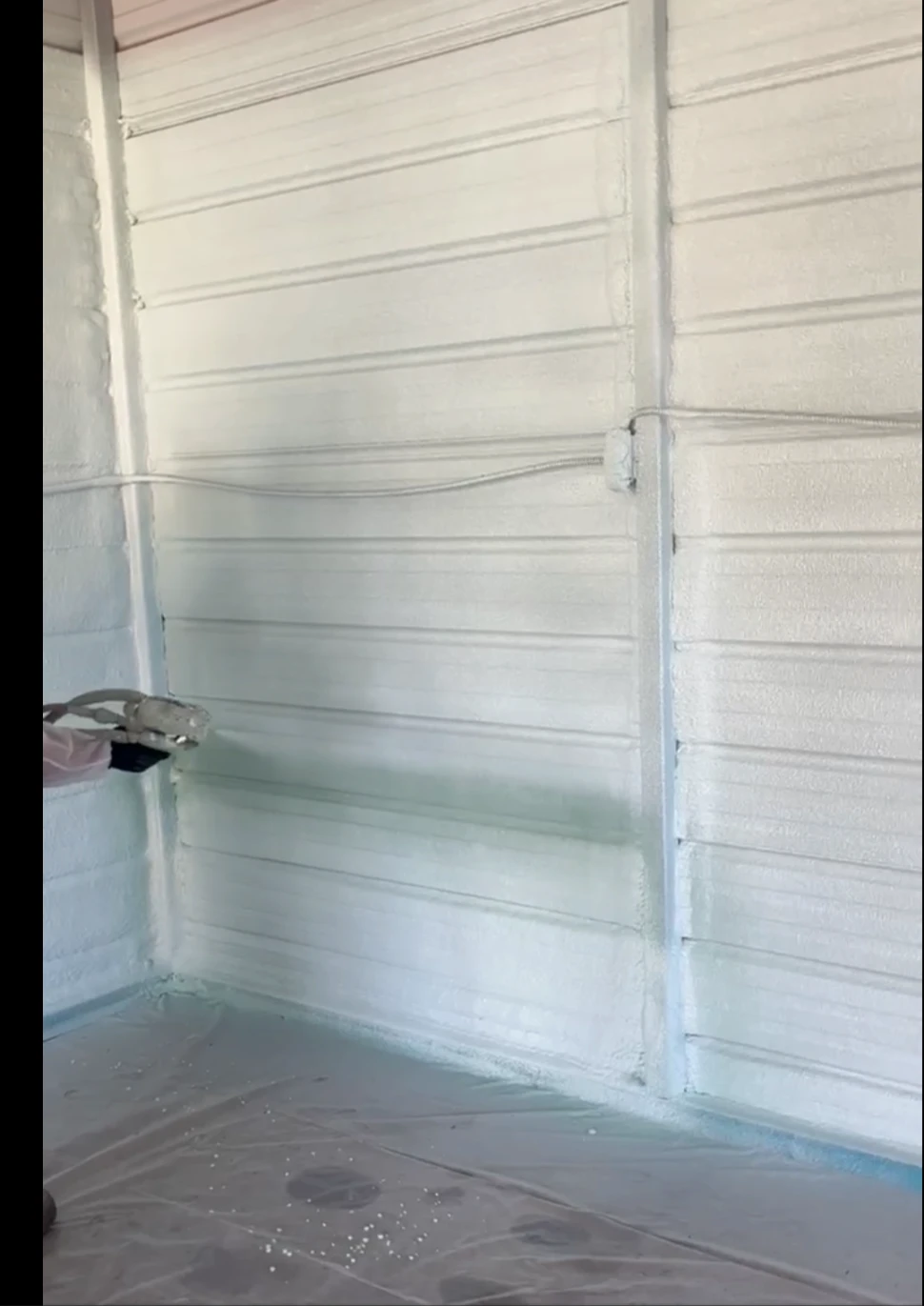
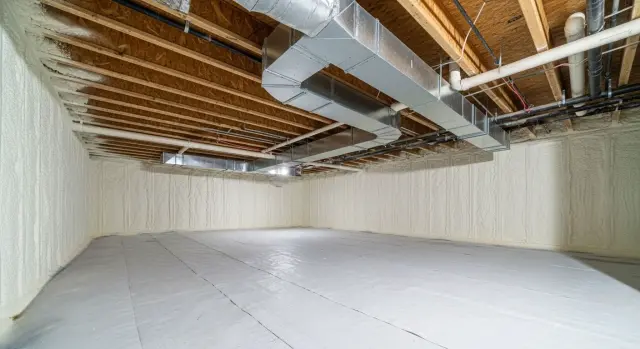
Residential spray foam insulation provides thermal resistance and air sealing within suitable building assemblies. Foam selection, placement, moisture conditions, and protective barrier requirements determine appropriate applications.
Commercial Spray Foam Insulation
Commercial spray foam insulation treats suitable building surfaces and cavities. Occupancy, substrate conditions, ventilation, scheduling, and fire protection requirements influence material selection and installation planning.
Thermal Barrier Coatings
Thermal barrier coatings provide specified fire protection for certain foam insulation assemblies. Product listings, application thickness, substrate requirements, and applicable construction codes determine suitable coating systems.
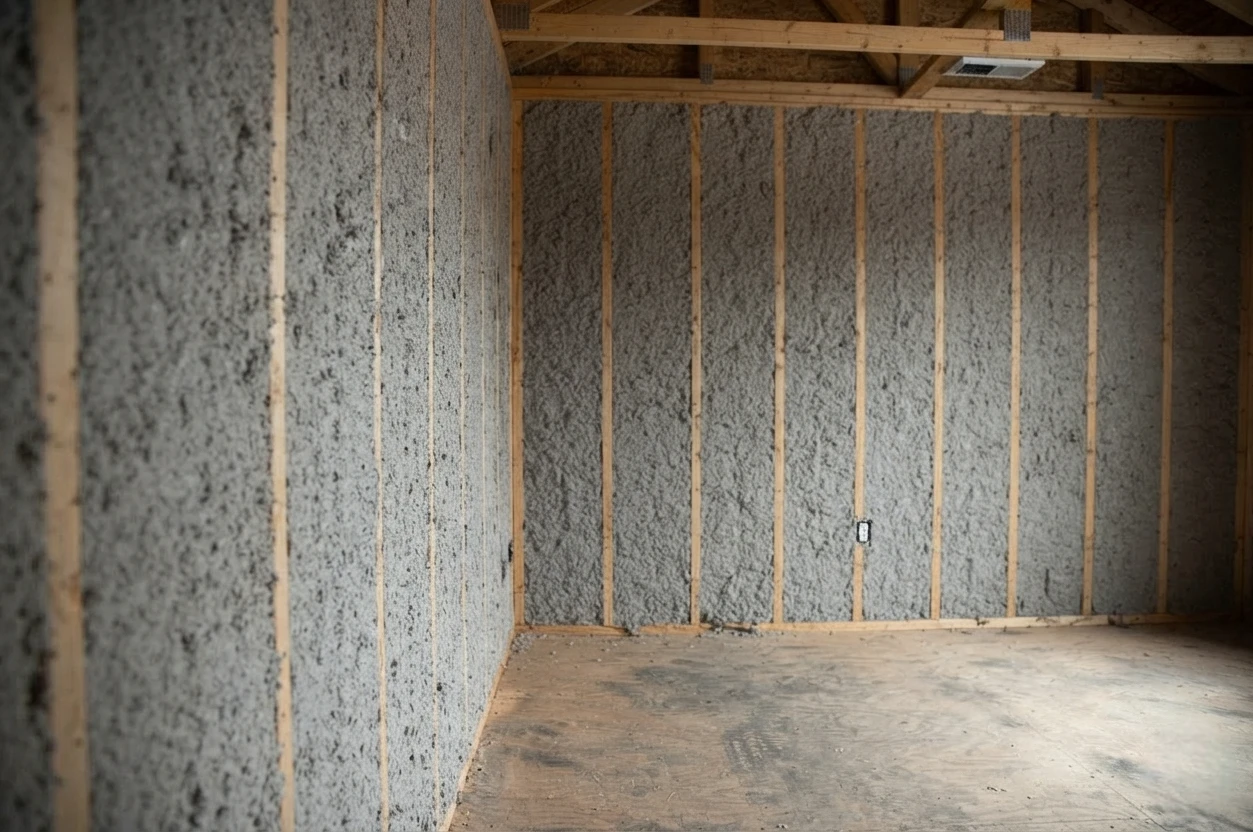
Dense Pack Cellulose Contractor
Dense pack cellulose fills enclosed wall and ceiling cavities using compressed fiber insulation. Existing wiring, cavity access, moisture conditions, and installation density influence application and coverage.
Crawl Space Encapsulation Services
Crawl space encapsulation uses moisture barriers and coordinated control methods to manage ground moisture. Drainage, foundation conditions, ventilation strategy, and equipment access influence system design.
Batt Insulation Services
Batt insulation fits prepared framing cavities in walls, floors, and ceilings. Correct sizing, complete coverage, and avoiding compression help maintain intended thermal resistance throughout the assembly.
Soil Stabilization Services
Soil stabilization services address ground conditions that may affect structures or surfaces. Soil characteristics, drainage, movement causes, and site assessment findings guide appropriate treatment decisions.
Foundation Insulation Contractor
Foundation insulation reduces heat transfer through suitable foundation surfaces. Ground moisture, drainage, waterproofing, pest protection, and construction requirements influence appropriate insulation material placement and protective measures.
Exterior Insulation Contractor
Exterior insulation adds thermal resistance outside suitable wall assemblies. Attachment methods, weather barriers, flashing, cladding connections, and moisture management require coordination before installation work can proceed.
Floor Insulation
Floor insulation limits heat transfer above unconditioned garages, crawl spaces, and similar areas. Air sealing, framing access, moisture conditions, and material support influence installation methods.
Foundation Repair
Foundation repair addresses structural damage or movement after identifying underlying causes. Soil conditions, drainage problems, structural findings, and project requirements determine appropriate repair methods and scope.
Wall Insulation
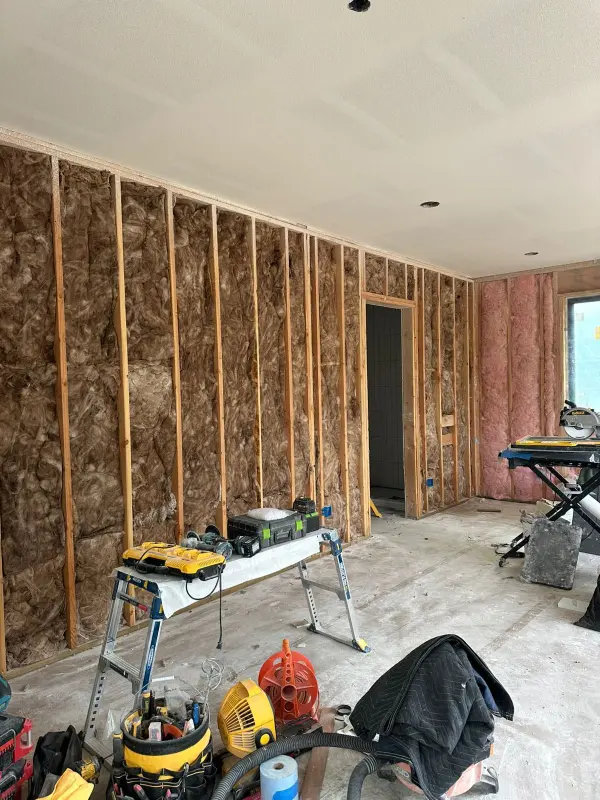
Wall insulation reduces unwanted heat flow through exterior and interior partitions. Existing framing, cavity access, moisture conditions, and insulation materials influence suitable application and installation methods.
Concrete Lifting
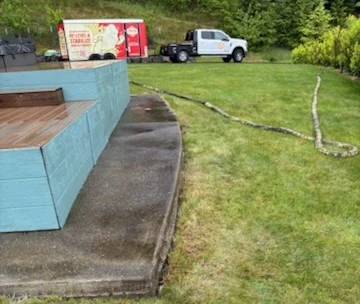
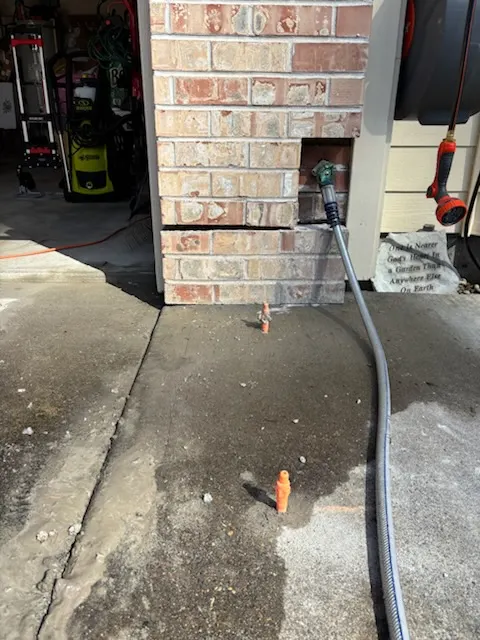
Concrete lifting raises eligible settled slabs toward their intended position. Existing slab damage, underlying soil, drainage, and settlement causes determine whether lifting offers a suitable solution.
Interior Insulation
Interior insulation provides thermal or acoustic separation within suitable building assemblies. Room function, available space, moisture concerns, and required coverings influence material selection and installation.
Slab Jacking Services
Slab jacking raises certain settled concrete surfaces by introducing supporting material beneath them. Existing damage, soil stability, drainage, and underlying voids determine whether treatment is appropriate.
Waterproofing Services
Waterproofing services help control water entry through suitable building surfaces and joints. Existing damage, drainage conditions, substrate compatibility, and moisture sources influence appropriate system selection decisions.
Seawall Repair Services
Seawall repair services address deterioration or instability in waterfront retaining structures. Structural condition, water exposure, accessibility, and permitting requirements determine suitable corrective methods and project scope.