Spray-On Foam & Coatings offers insulation and coating services for different building types and project requirements. Customers looking for insulation services Albany, OR can explore the following options to identify the service that best matches their property's needs.
Open Cell Spray Foam Insulation
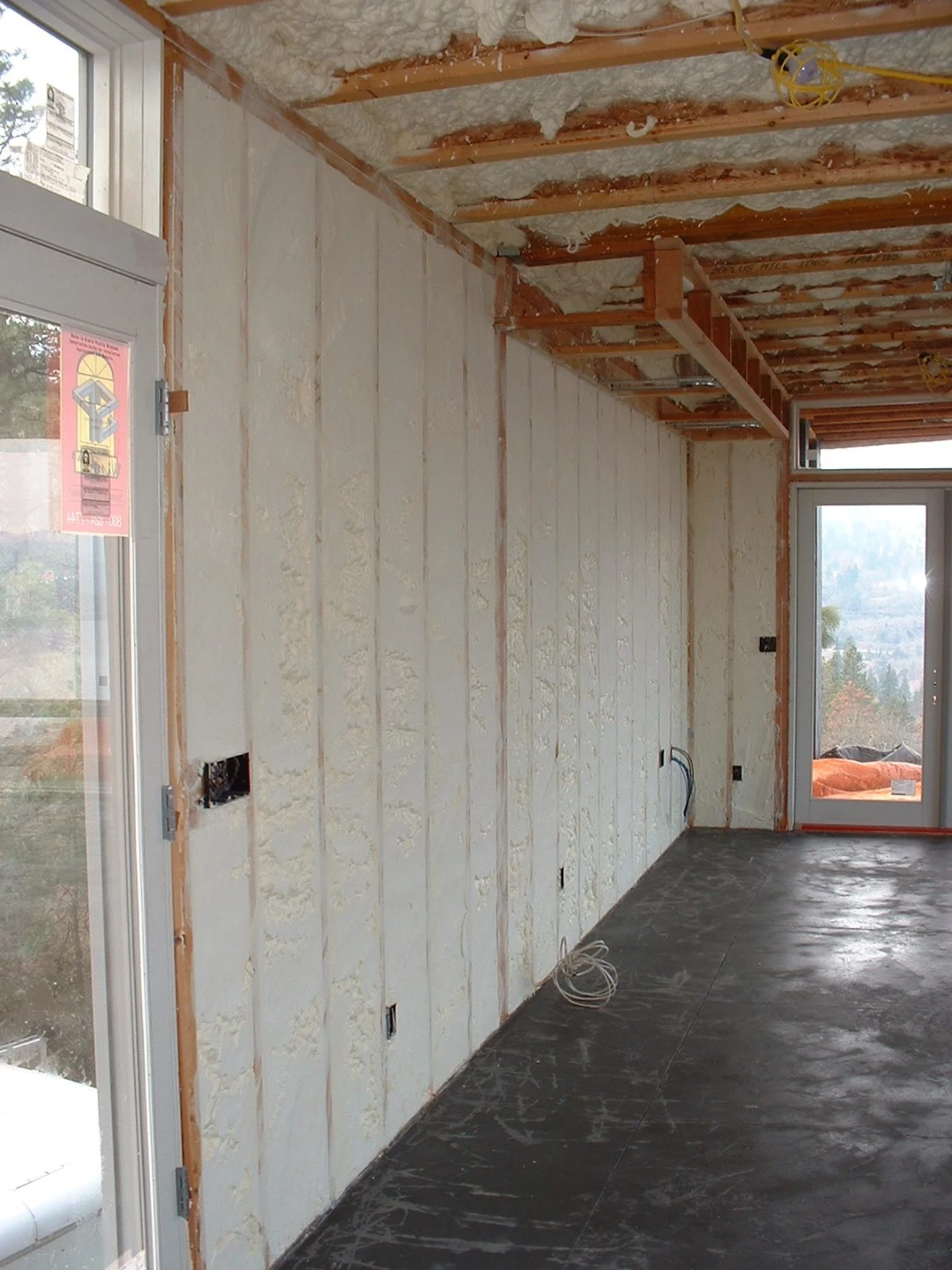
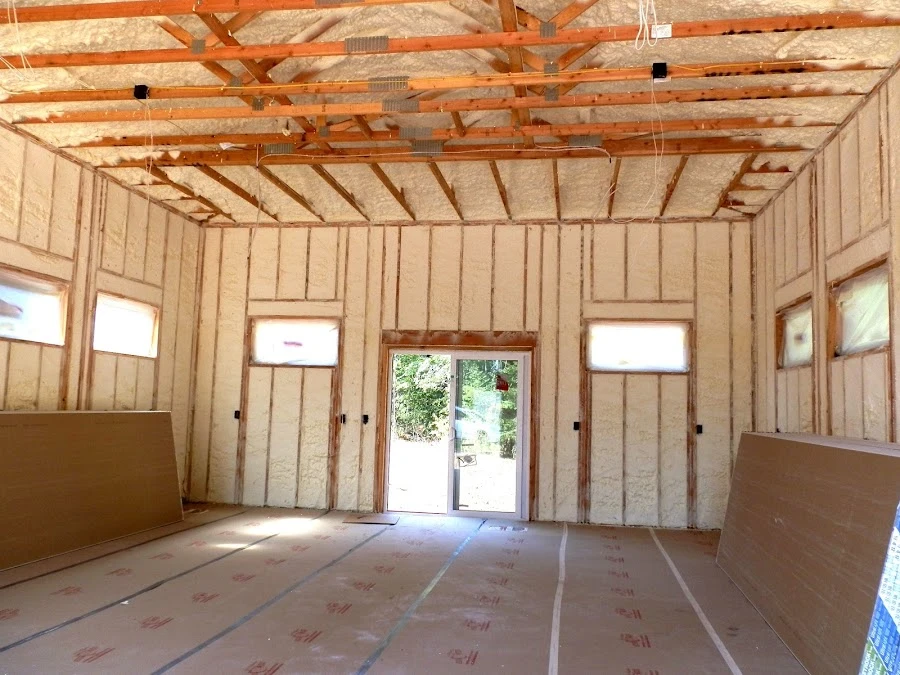
Open Cell Spray Foam Insulation expands into cavities to help reduce air leakage and heat transfer. It is suitable for selected interior applications where flexibility and sound absorption are priorities.
Closed Cell Spray Foam
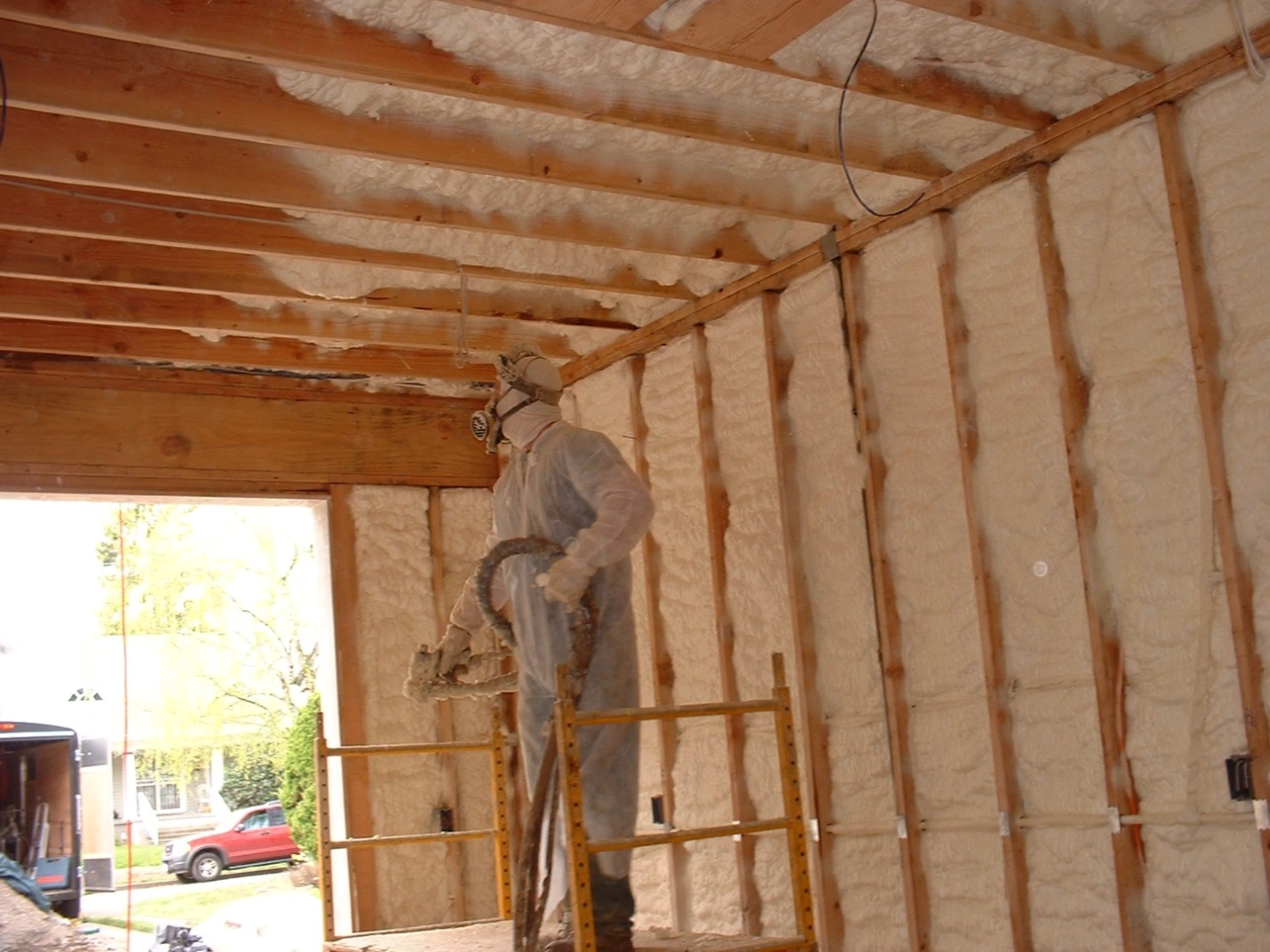
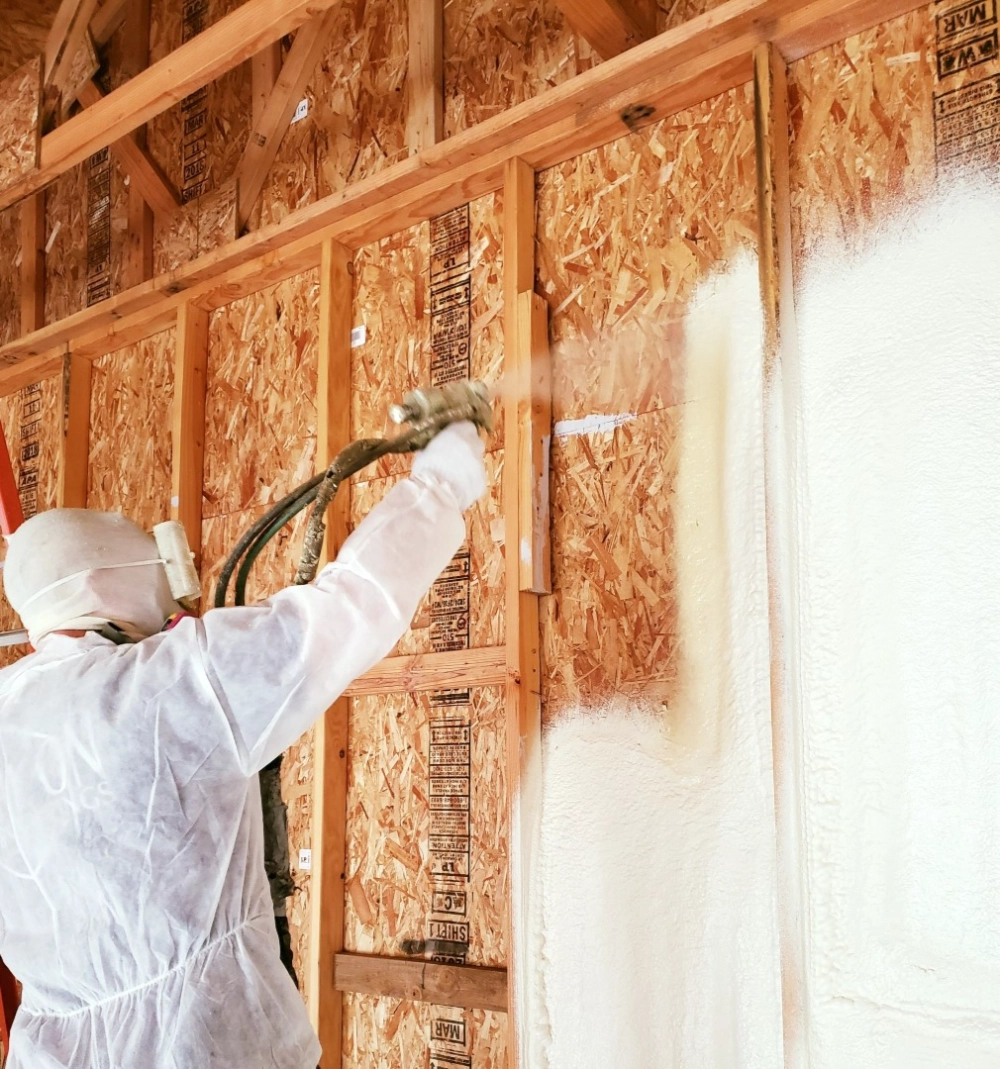
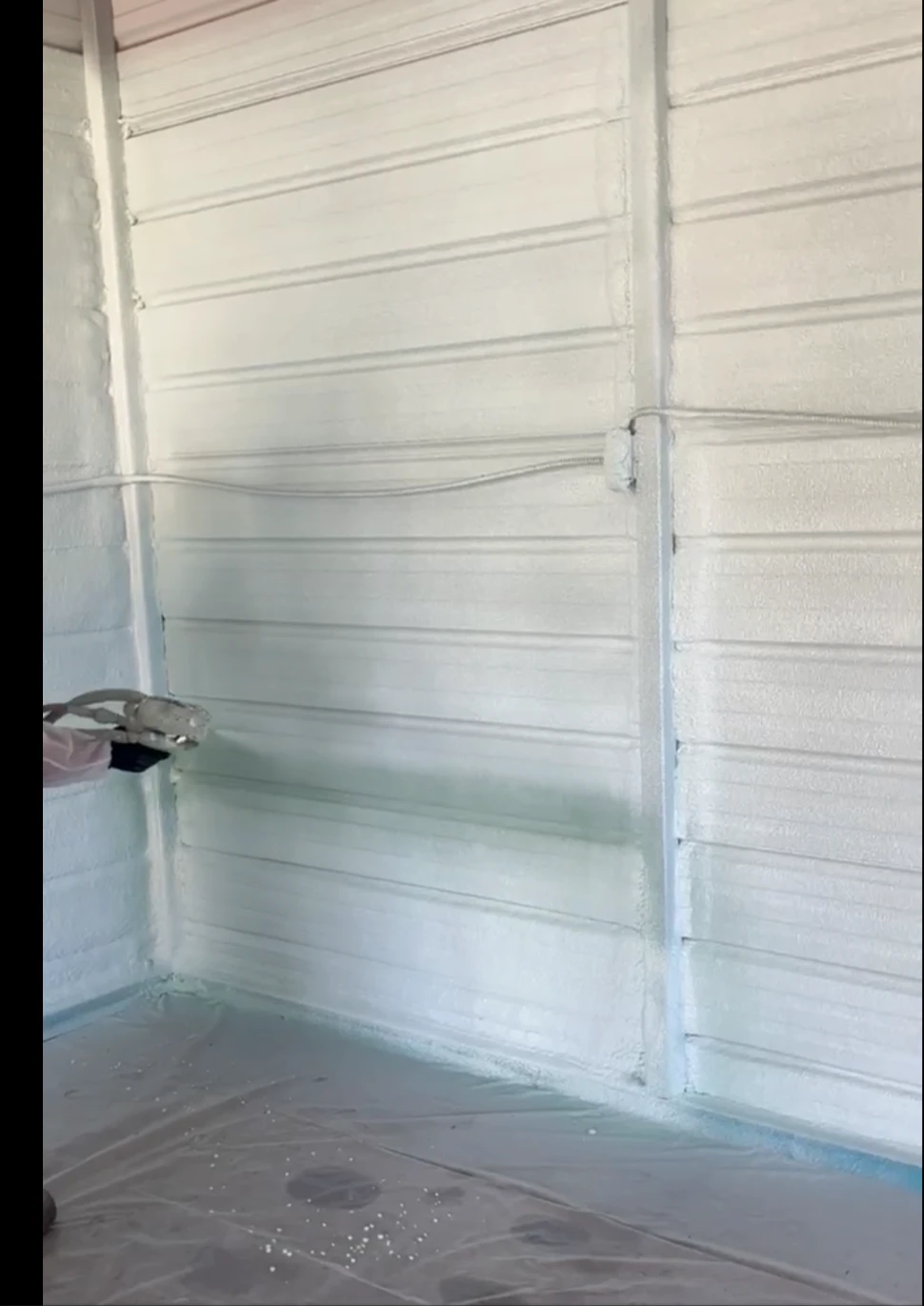
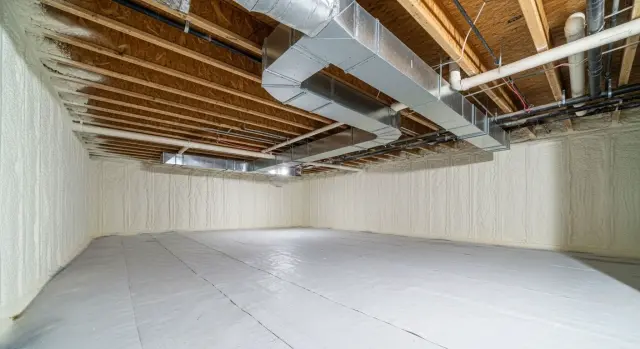
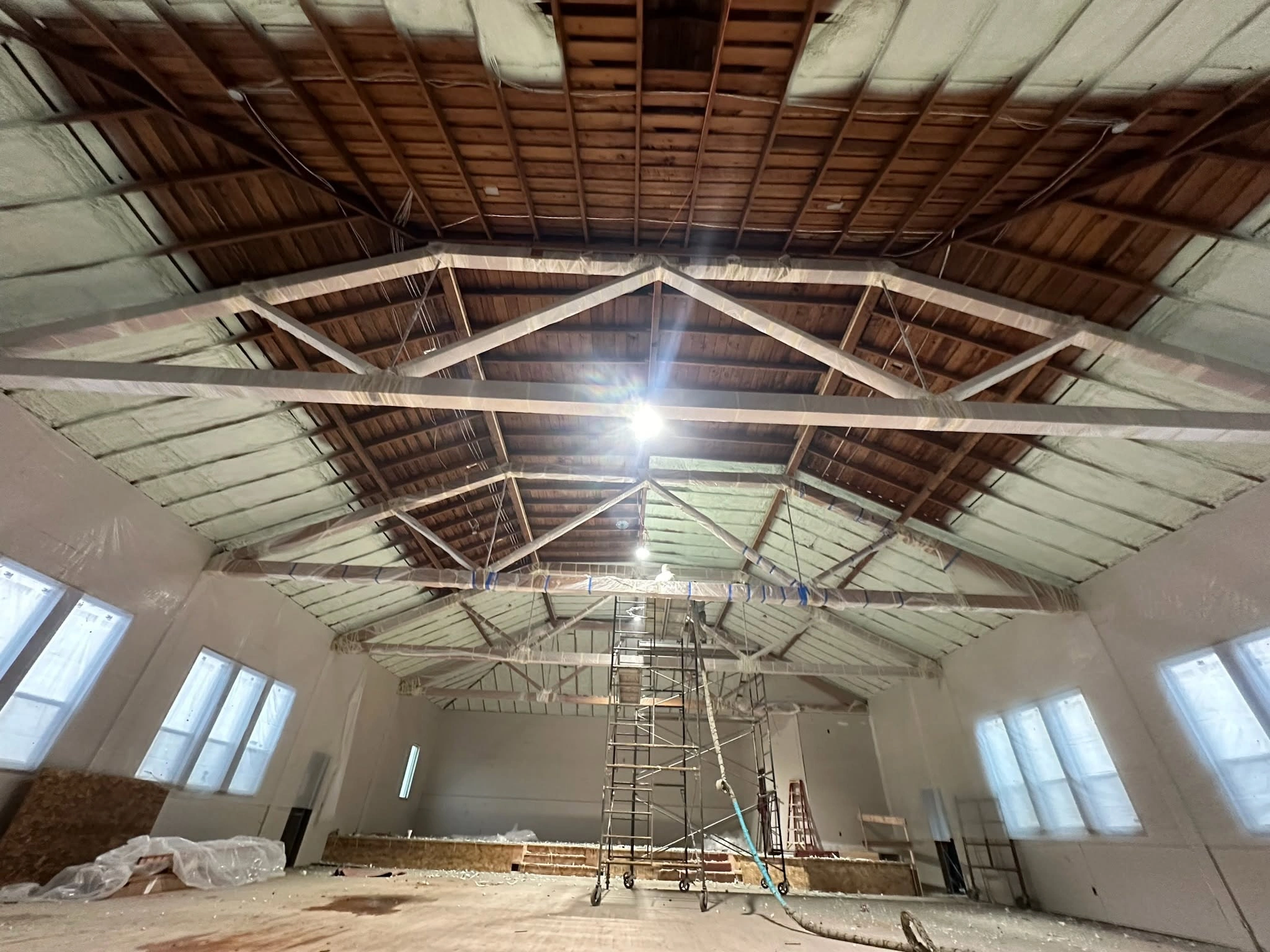
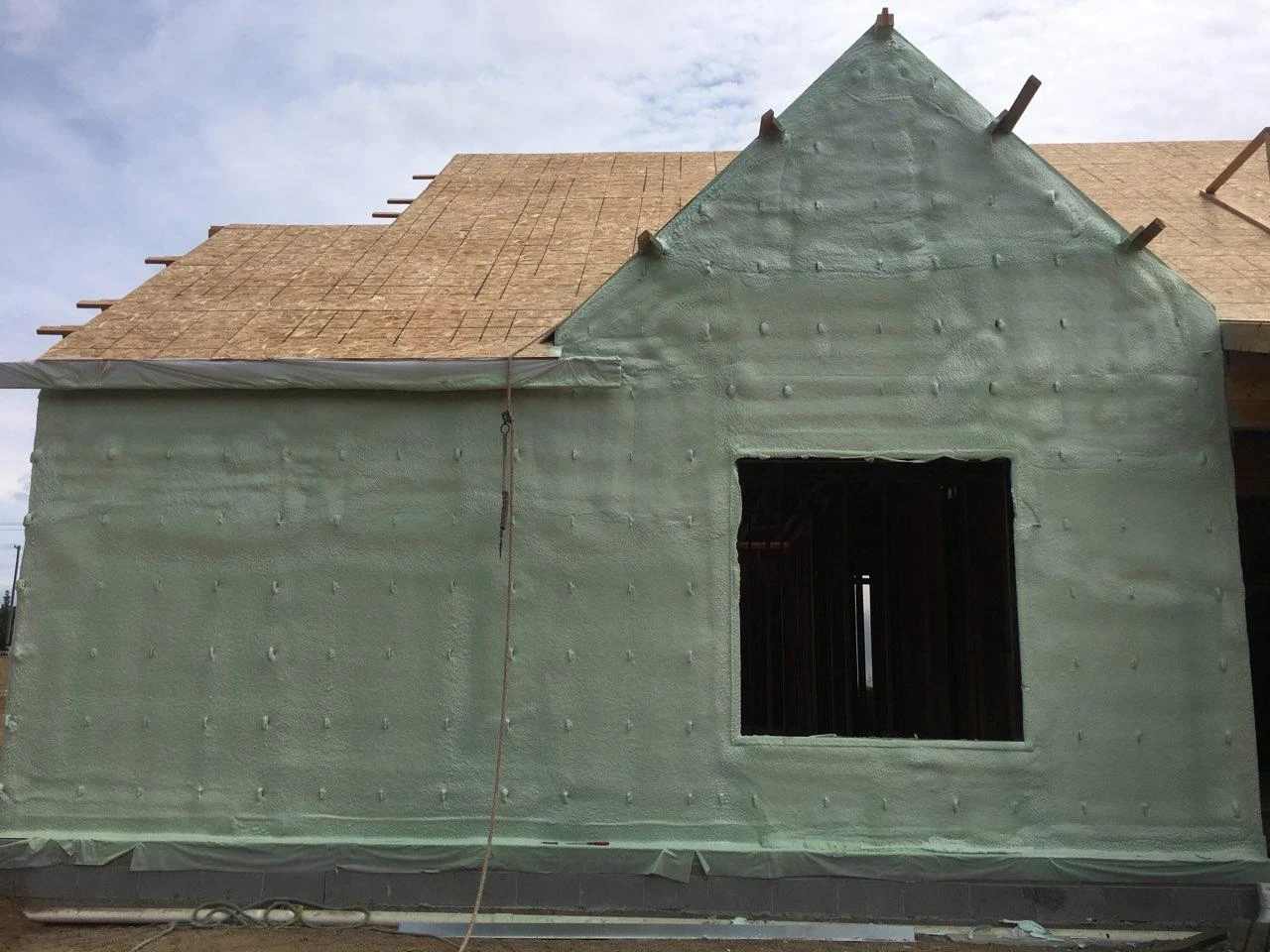
Closed Cell Spray Foam creates a dense insulating layer that helps limit air movement and moisture penetration. It can suit roofs, walls, and other assemblies when the application is appropriate.
Spray Foam Roofing
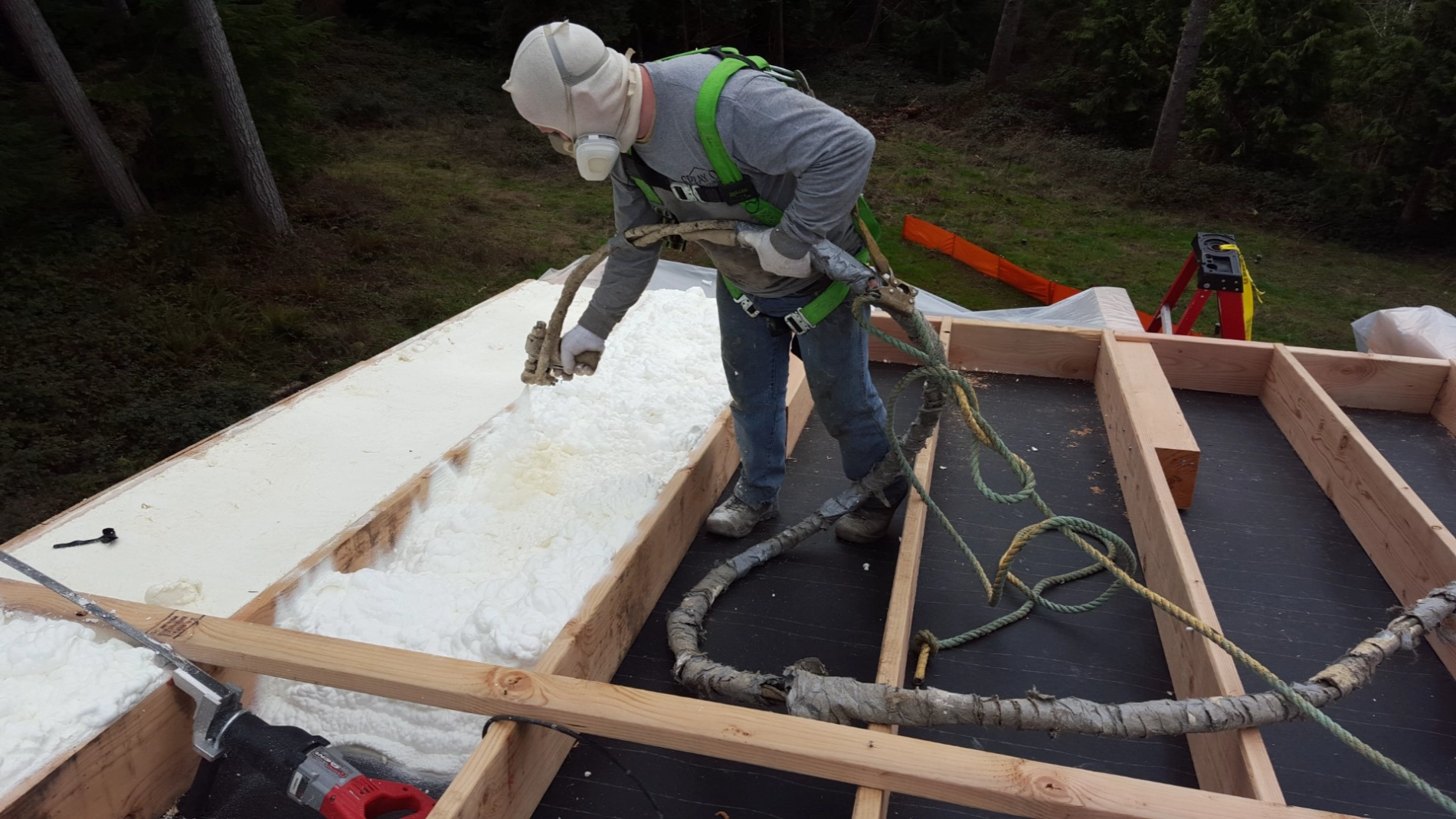
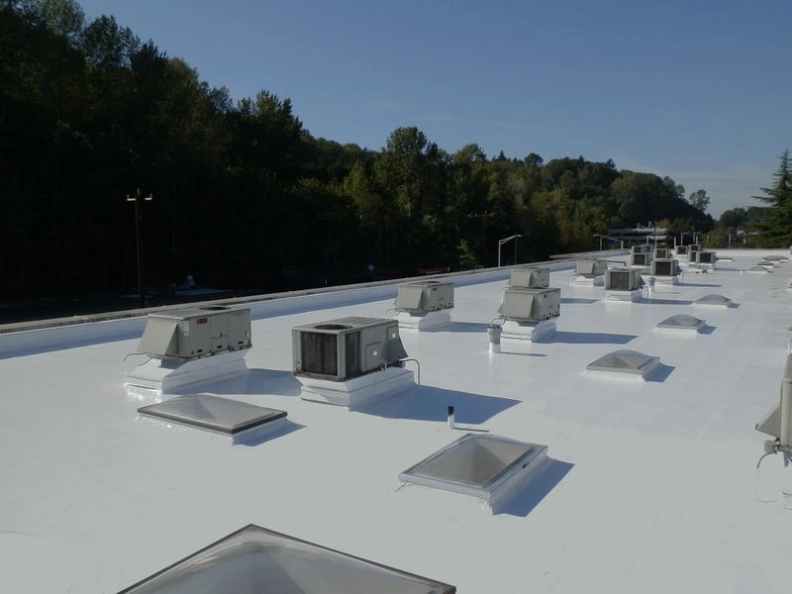
Spray Foam Roofing creates an insulating foam layer across suitable roof surfaces. It can help reduce heat transfer and provide a seamless roofing system when properly installed and protected.
Commercial Insulation
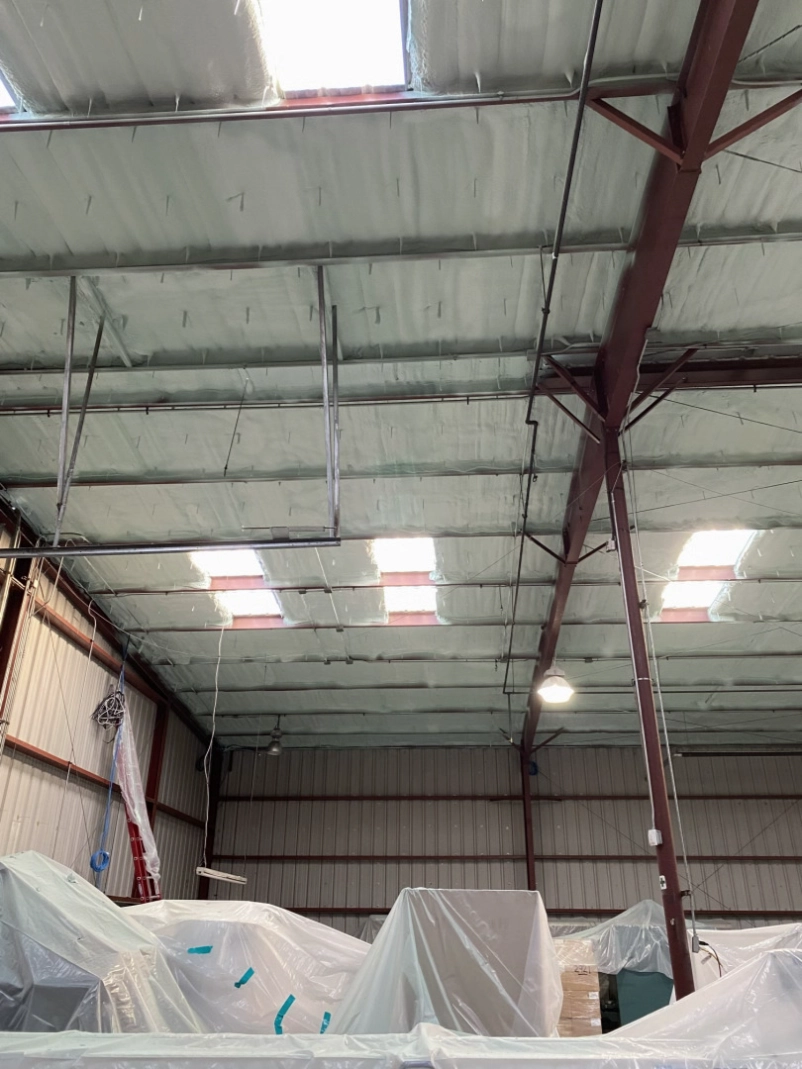
Commercial Insulation supports offices, warehouses, retail buildings, and other business properties. Material selection depends on the building envelope, operating requirements, energy performance goals, and existing construction.
Residential insulation
Residential Insulation helps homeowners address drafts, uneven indoor temperatures, and heat transfer. Options can be selected for attics, walls, floors, crawl spaces, and other areas of the home.
Roof Coatings
Roof Coatings provide a protective surface layer for compatible roofing systems. The appropriate coating depends on roof material, existing condition, weather exposure, and the manufacturer's application requirements.
Polyurea Coatings
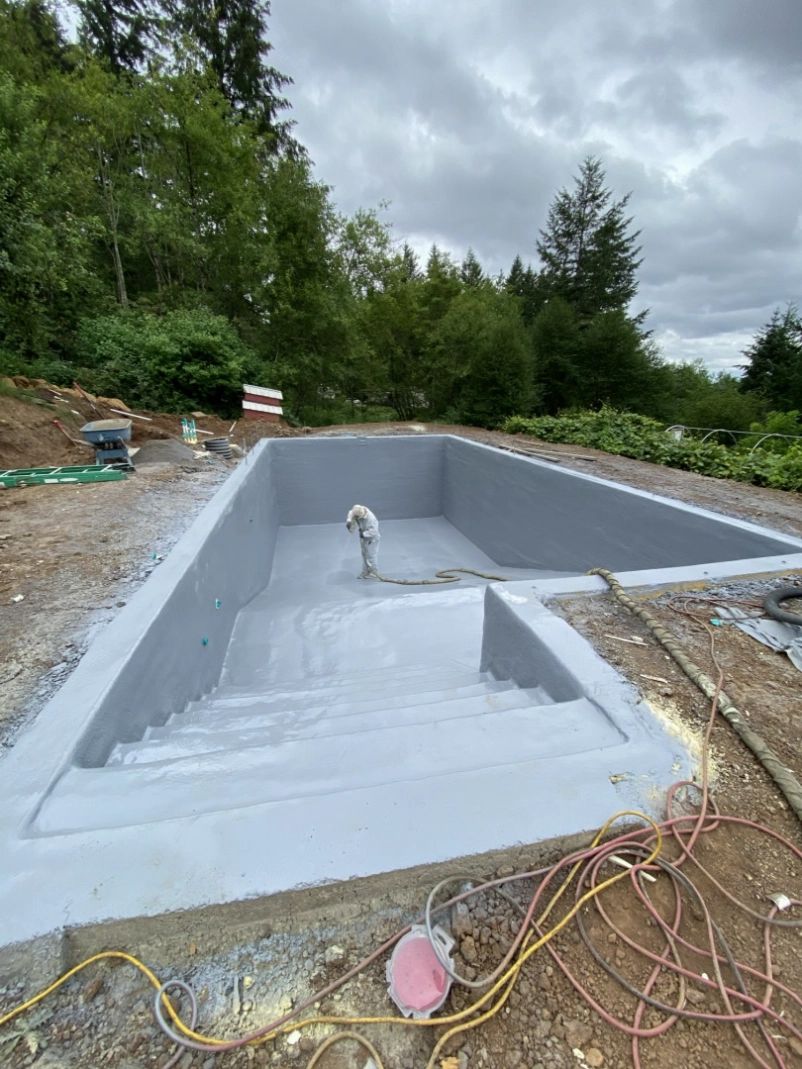
Polyurea Coatings create a durable protective surface for compatible substrates. They may be suitable for applications requiring abrasion resistance, moisture protection, and a coating system matched to the intended use.
Retrofit Insulation
Retrofit Insulation improves existing buildings without requiring complete reconstruction. An assessment helps identify insulation gaps, outdated materials, and accessible areas where upgrades may improve thermal performance and comfort.
Pole Barn insulation
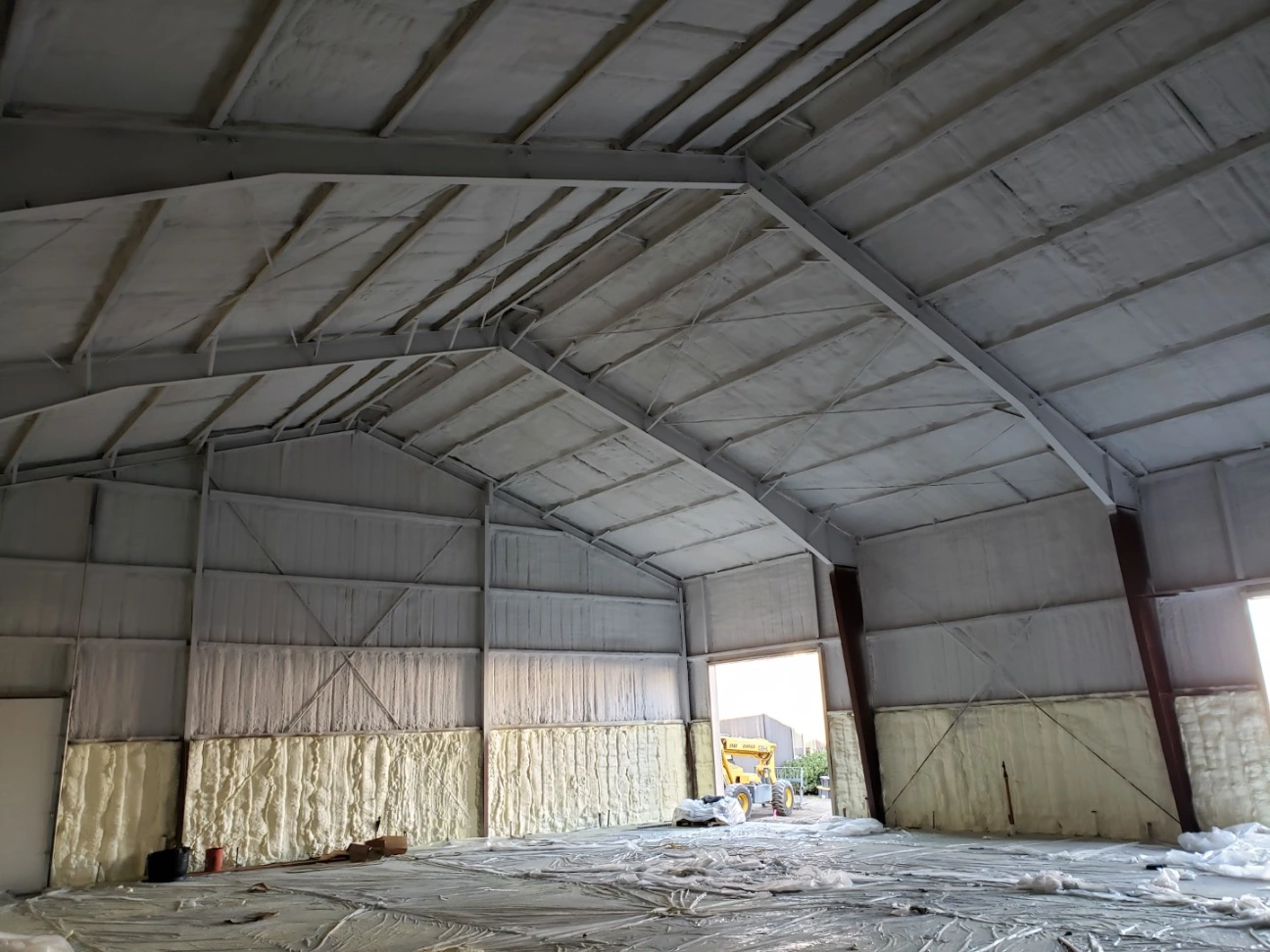
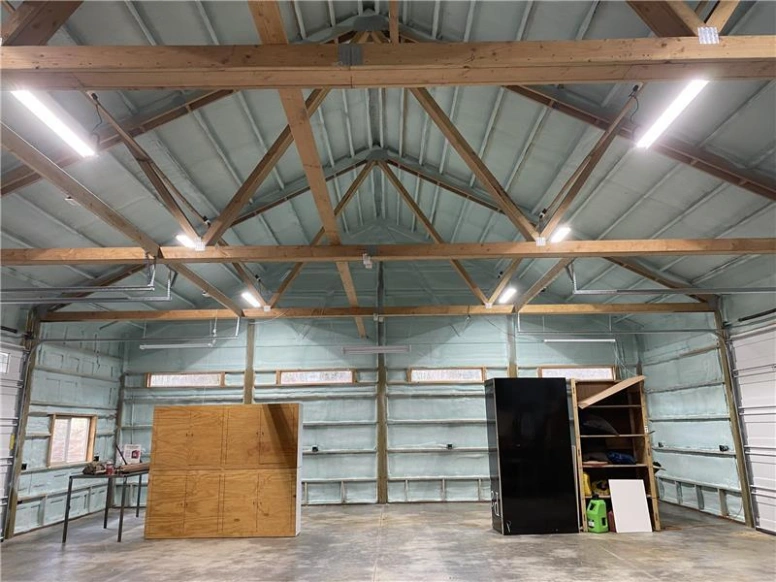
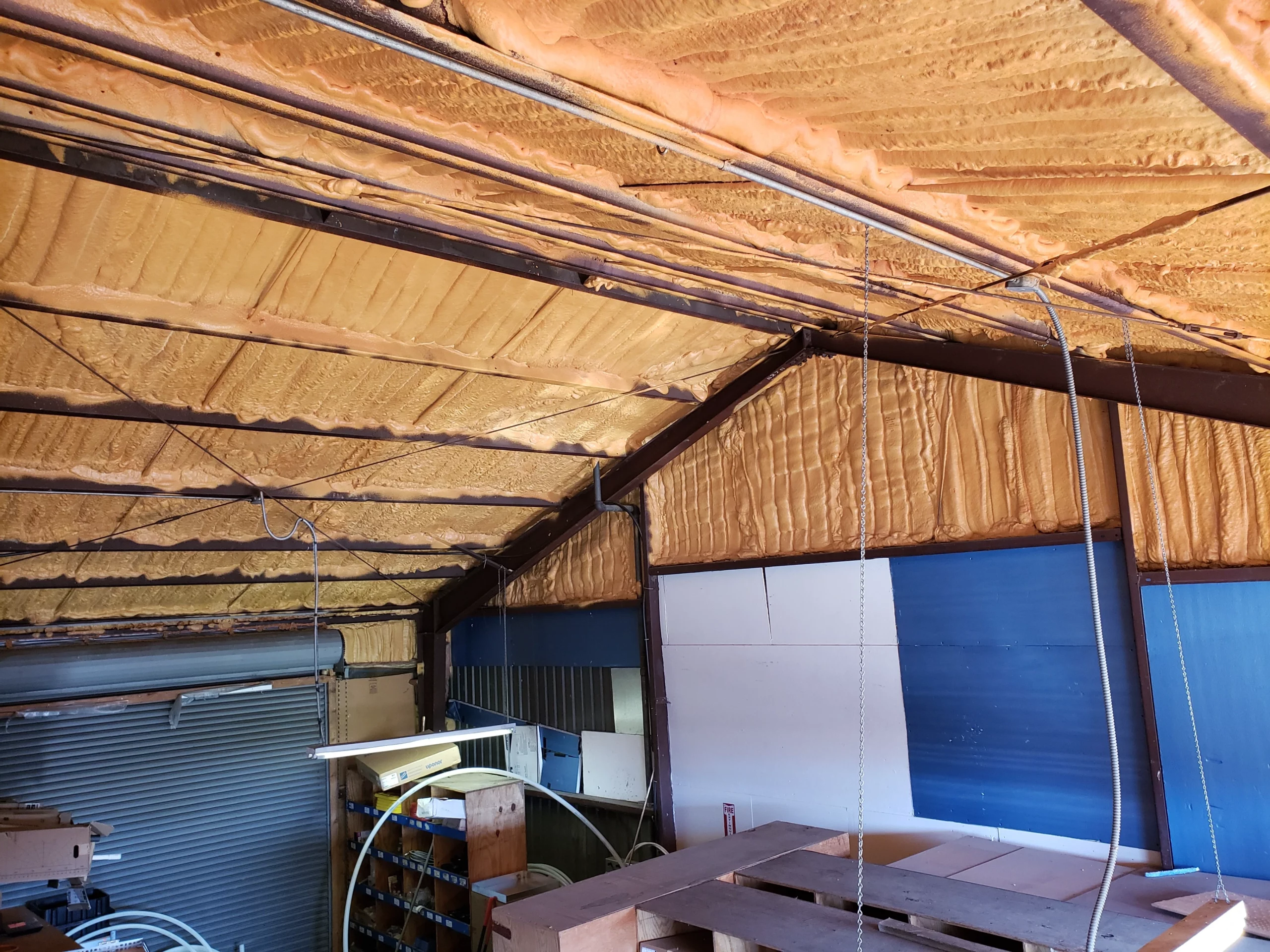
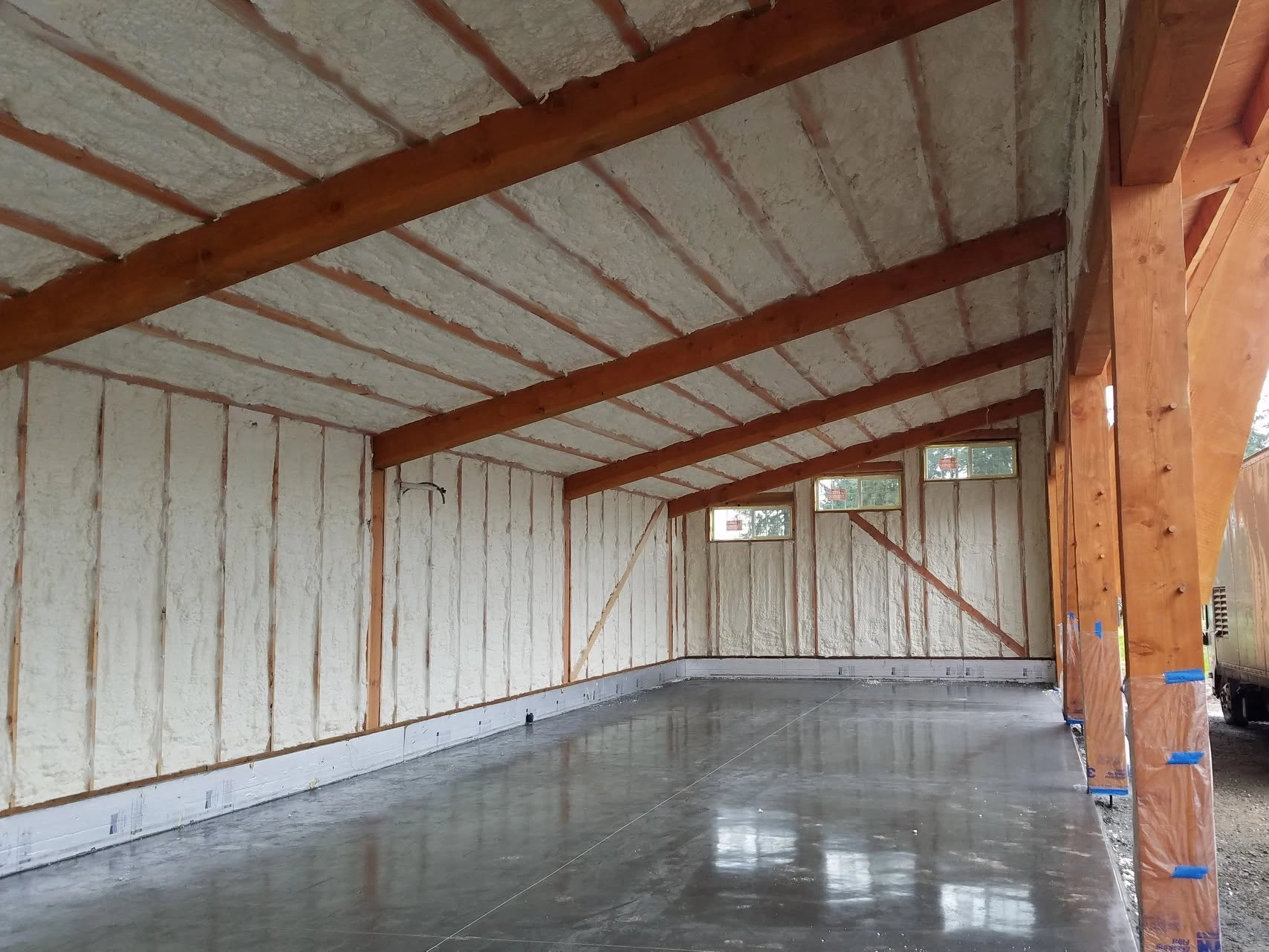
Pole Barn Insulation helps manage temperatures inside agricultural buildings, workshops, and storage structures. The right system depends on the building's framing, metal surfaces, ventilation, and intended activities.
K-13 Sound Proofing
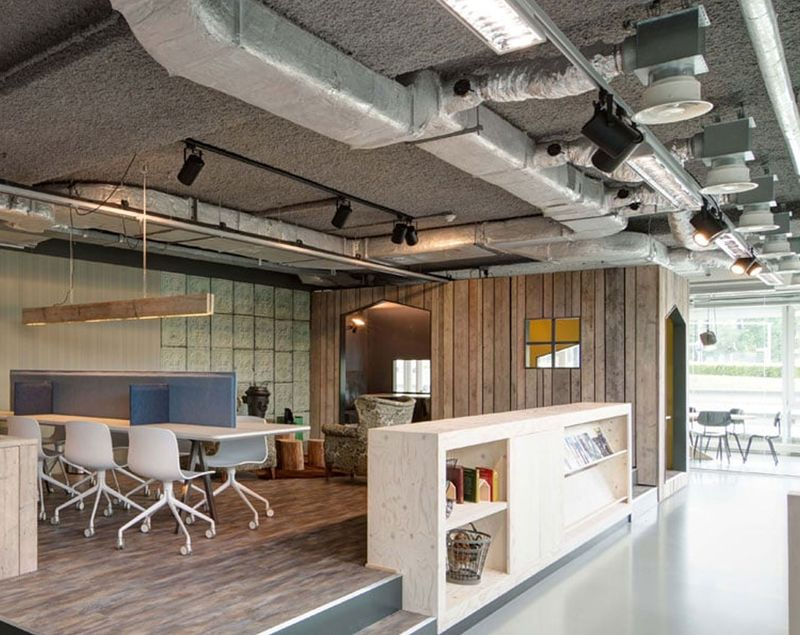
Pole Barn Insulation helps manage temperatures inside agricultural buildings, workshops, and storage structures. The right system depends on the building's framing, metal surfaces, ventilation, and intended activities.
Tank spray foam/insulation
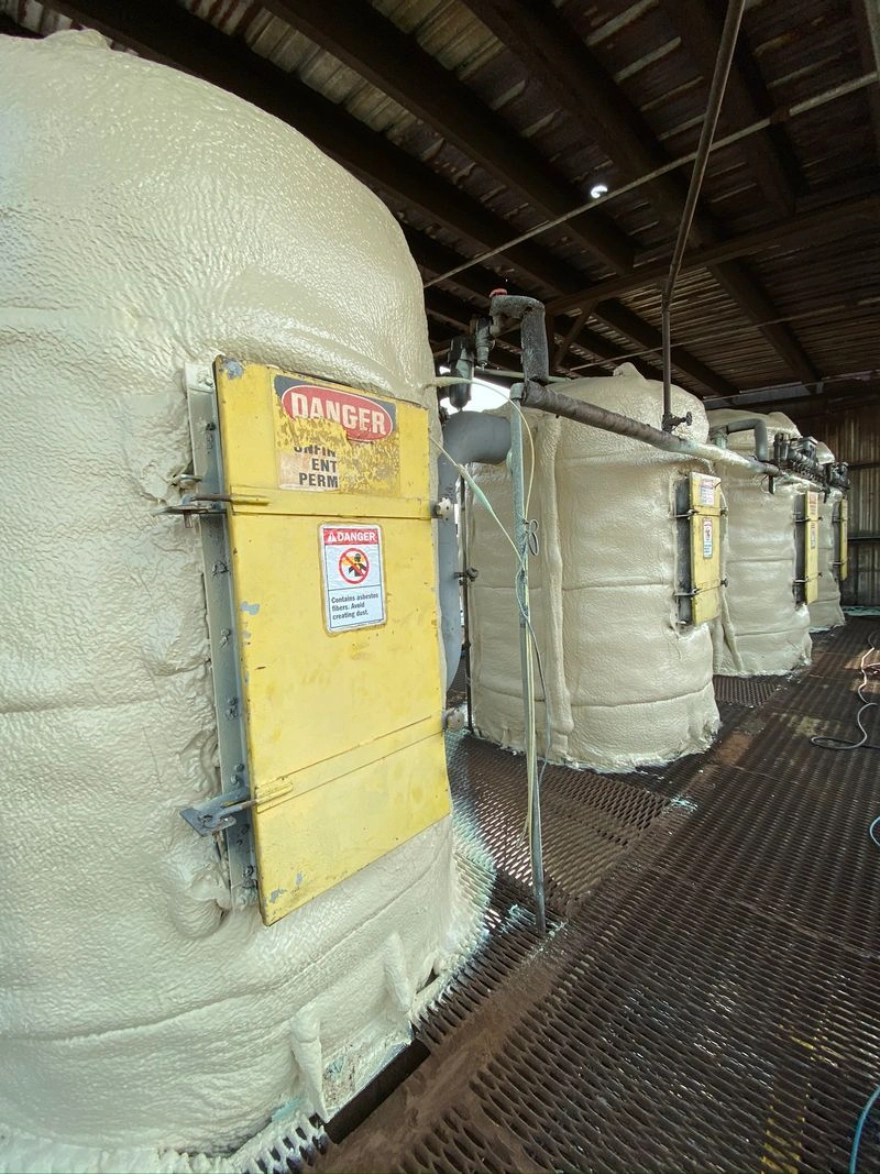
Tank Spray Foam Insulation applies foam to suitable tank surfaces to help control heat transfer. Material selection depends on tank contents, operating temperatures, substrate conditions, and safety requirements.
Marine/Boat Application
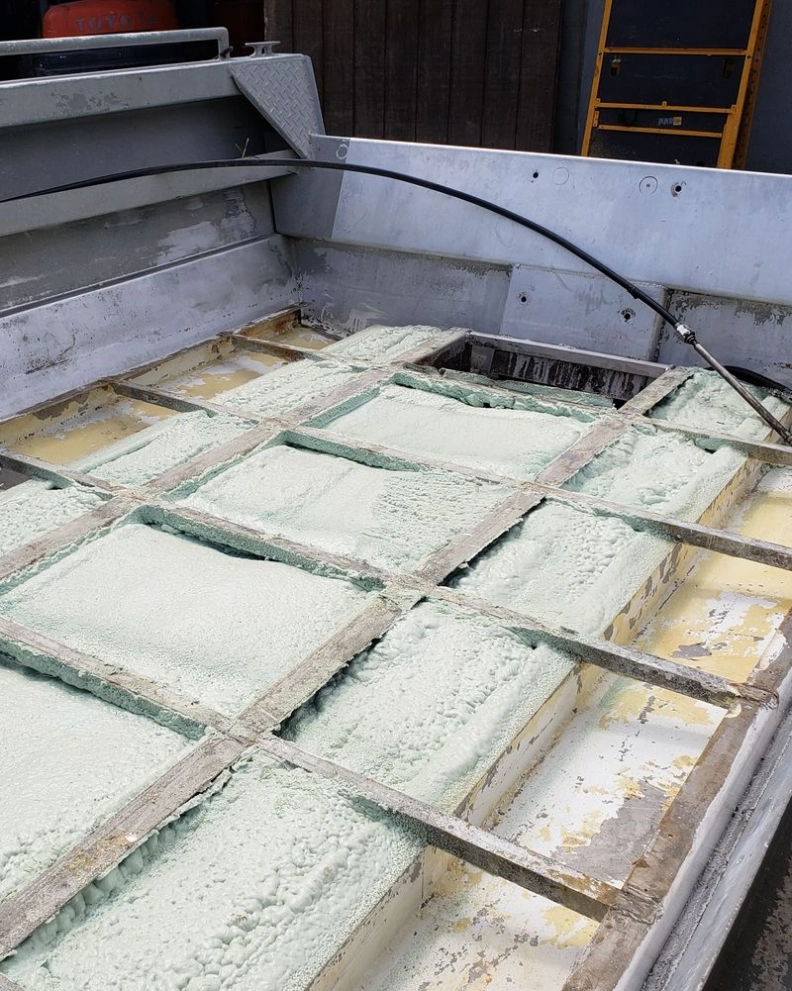
Marine/Boat Application involves selecting appropriate insulation or coating systems for suitable marine structures. Project planning should consider moisture exposure, substrate compatibility, temperature conditions, and the vessel's intended use.
Agricultural Insulation Services
Agricultural Insulation Services support barns, farm workshops, storage buildings, and other agricultural structures. The insulation system should reflect building use, ventilation needs, moisture exposure, and equipment requirements.
Blown-In Insulation
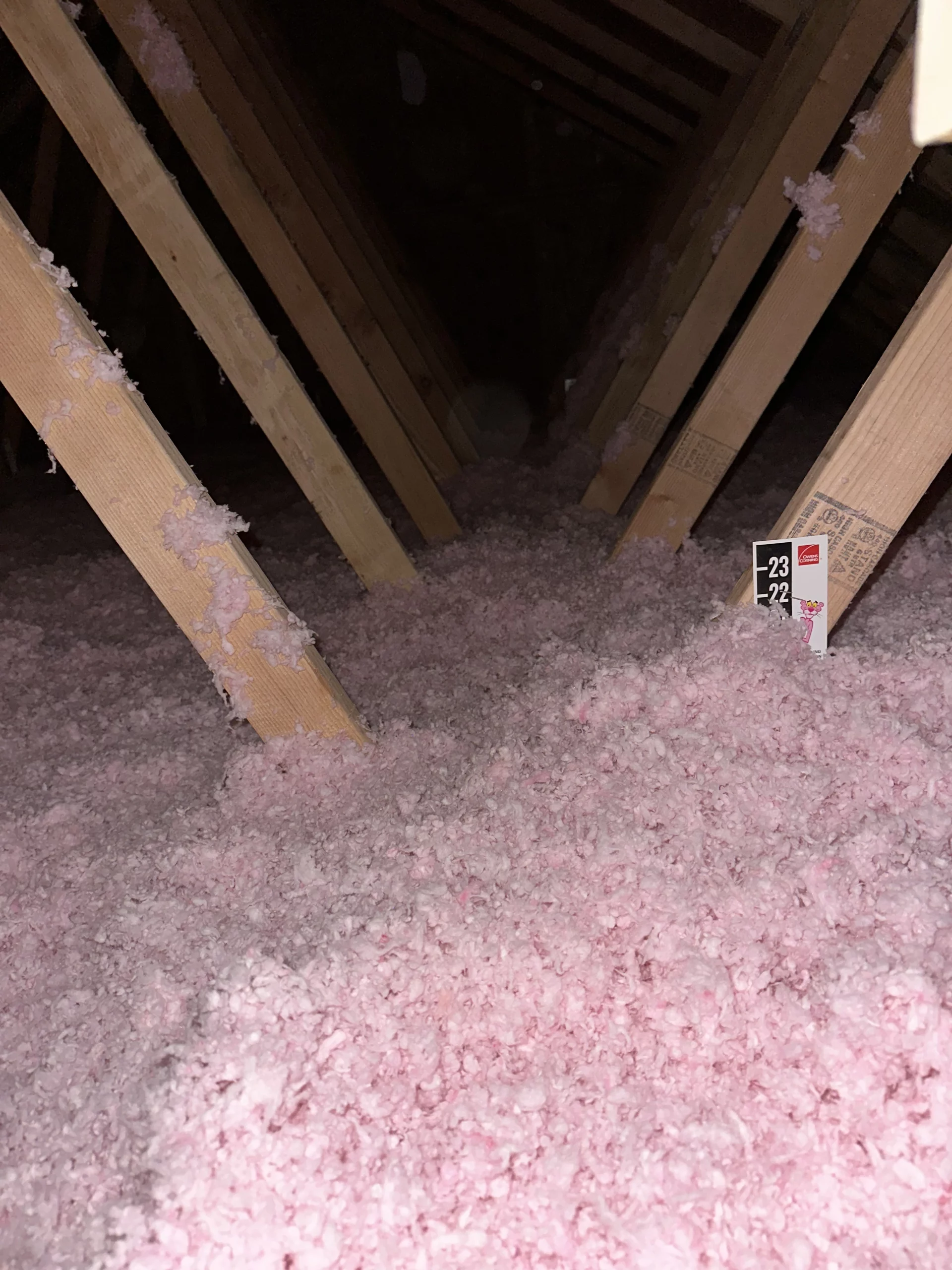
Blown-In Insulation distributes loose insulation material across accessible cavities and attic spaces. It can help improve coverage in irregular areas where traditional insulation installation may be difficult.
Air Sealing
Air Sealing addresses gaps and openings that allow uncontrolled air movement through a building envelope. Identifying leakage points before insulation upgrades helps create a more complete improvement plan.
Attic Insulation
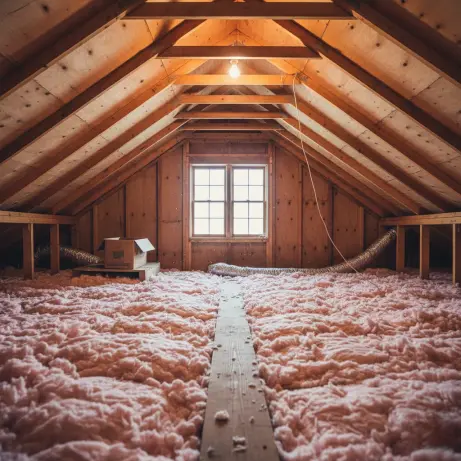
Attic Insulation helps reduce heat transfer through the upper part of a building. Assessing existing insulation depth, ventilation, access points, and moisture concerns helps determine suitable upgrades.
Insulation Removal
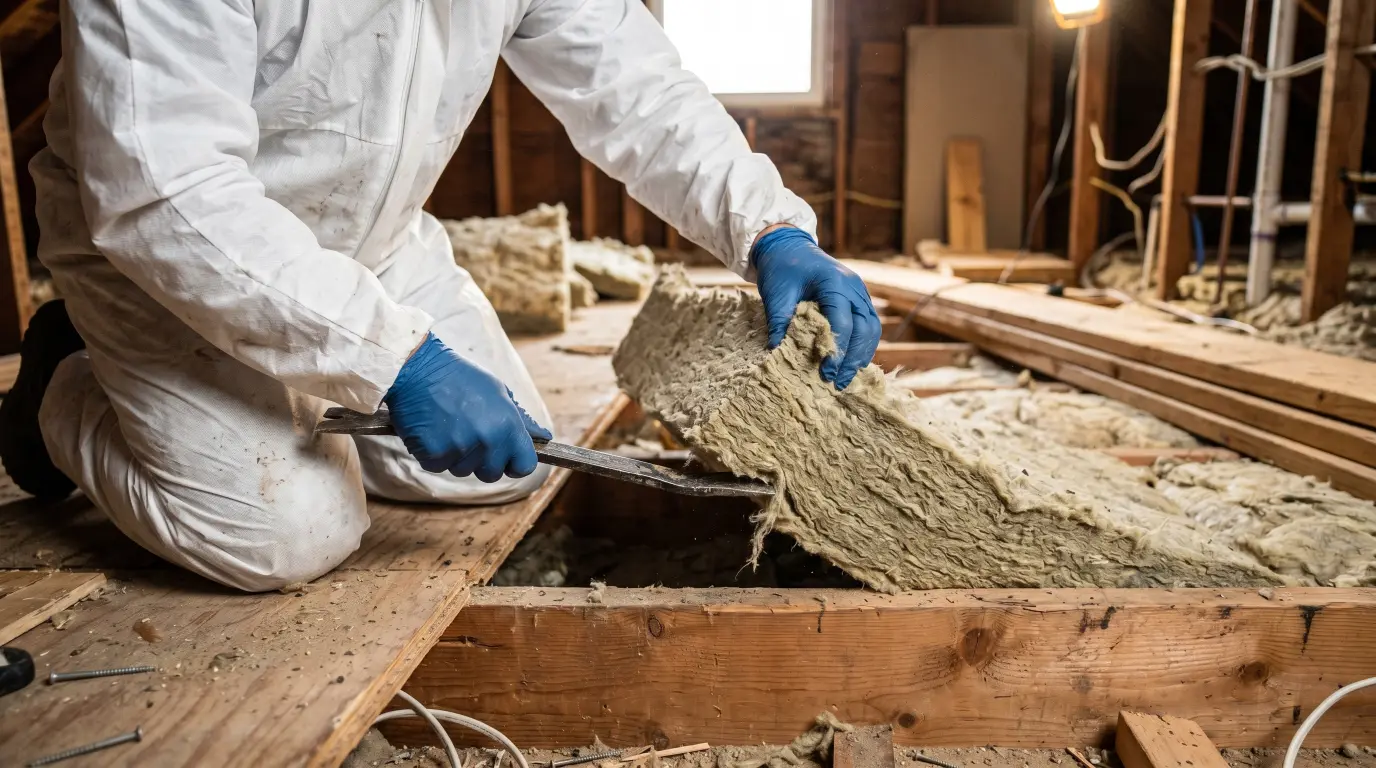
Insulation Removal clears existing material when replacement or building repairs are needed. The removal approach depends on material condition, contamination concerns, access, and appropriate handling and disposal requirements.
Crawl Space Insulation
Crawl Space Insulation helps reduce heat transfer between the ground-level space and occupied rooms. Moisture conditions, ventilation, foundation construction, and existing materials should be evaluated before installation.
Fiberglass insulation
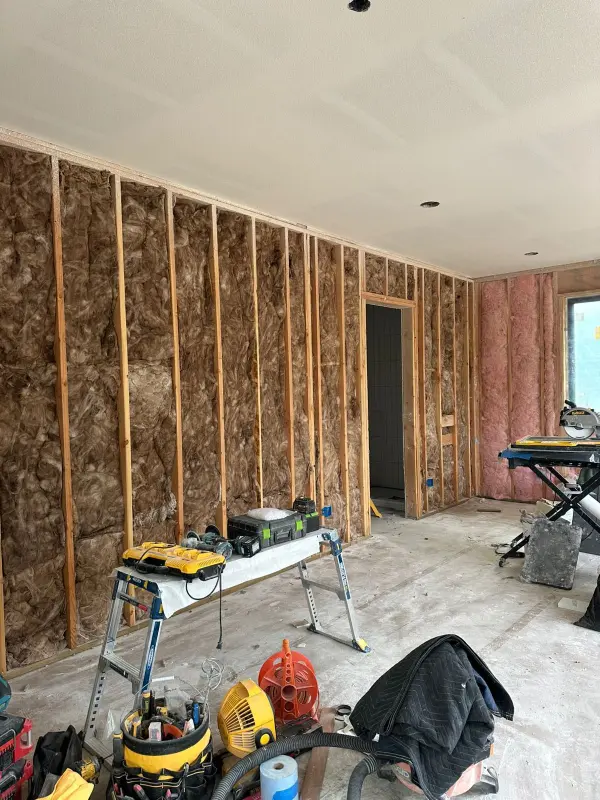
Fiberglass Insulation uses glass fibers to slow heat transfer through suitable building assemblies. Available forms include batts and loose-fill products, selected according to cavity dimensions and installation requirements.
Mineral wool insulation
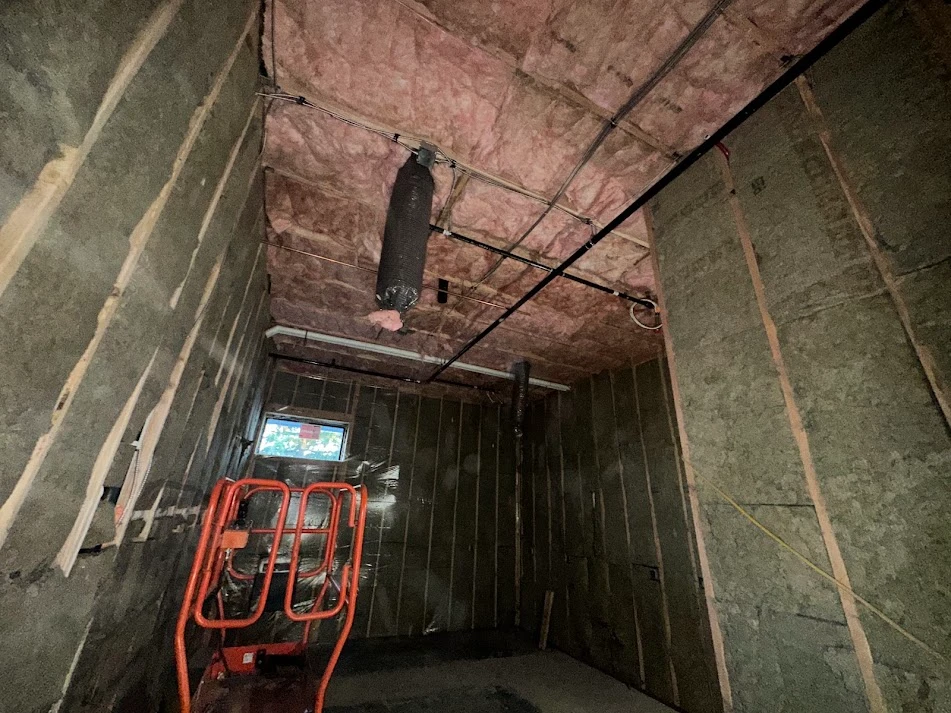
Mineral Wool Insulation provides thermal resistance and sound absorption while offering fire-resistant material properties. It can be considered for walls, ceilings, and other assemblies where the product meets project specifications.
New construction insulation
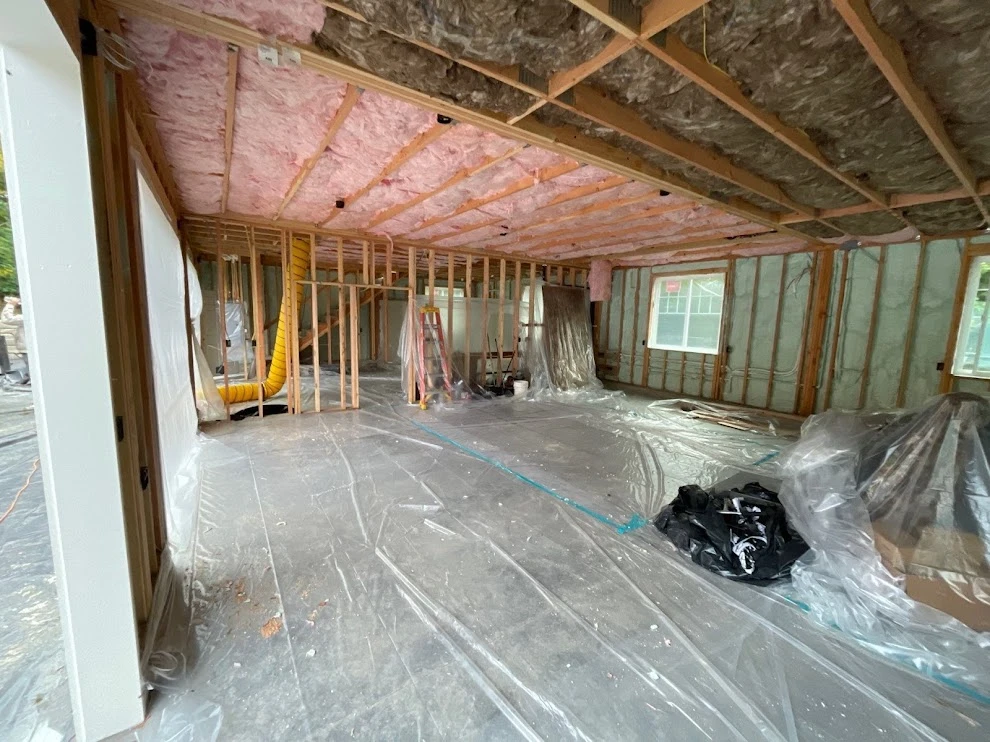
New Construction Insulation is planned during building development to address thermal performance before walls and ceilings are closed. Material selection should align with the design, applicable codes, and assembly requirements.
Metal building insulation
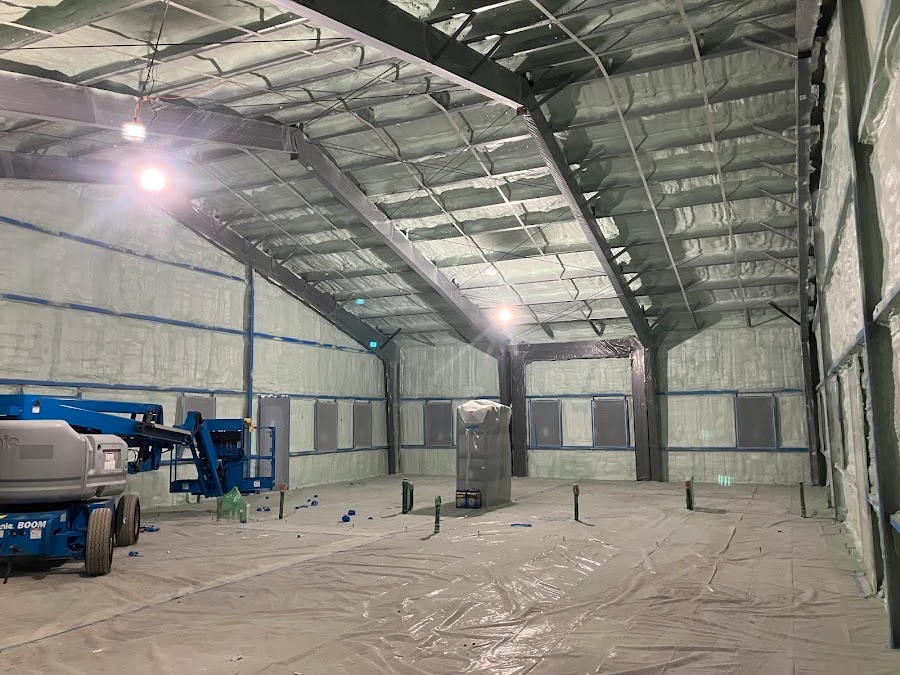
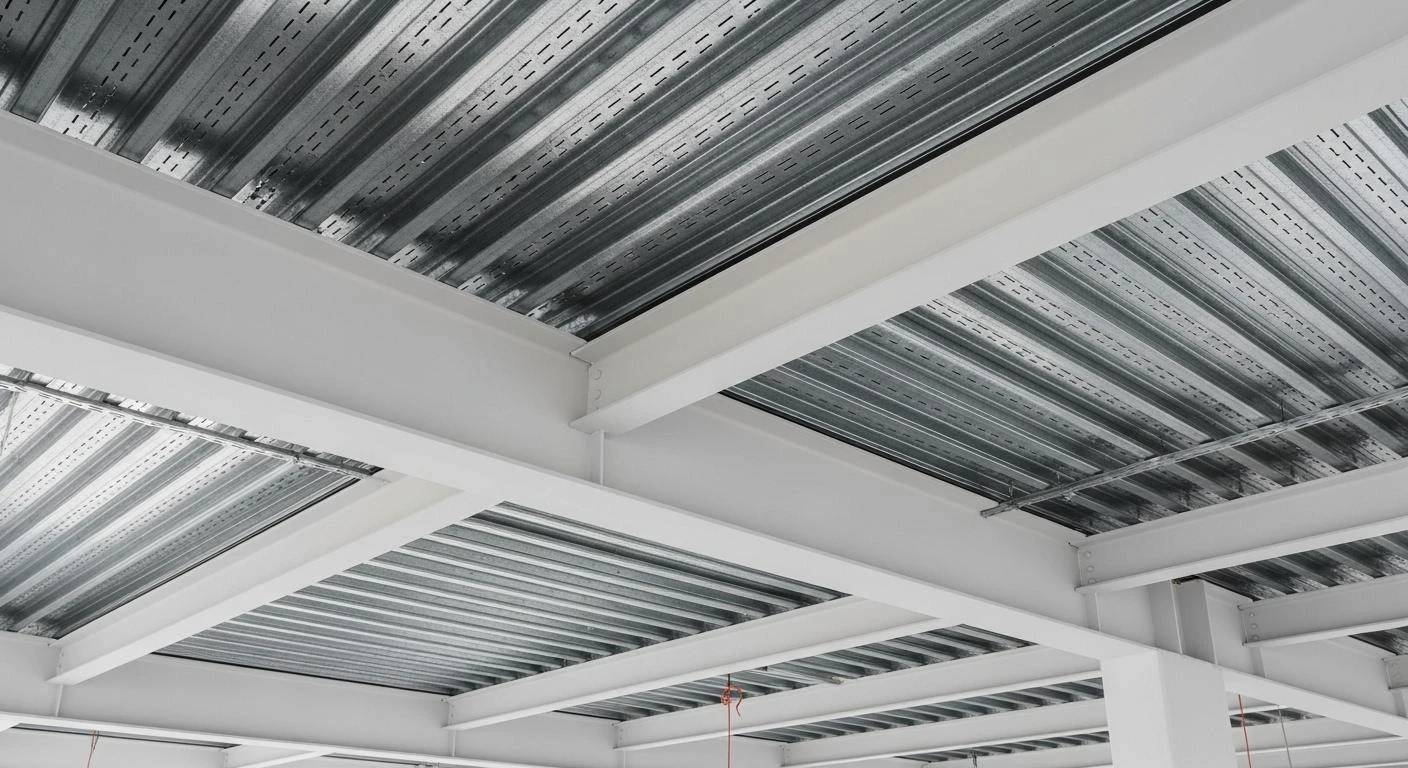
Metal Building Insulation helps control heat transfer through metal walls and roofs. Selecting an appropriate system requires attention to condensation potential, interior use, ventilation, and existing building conditions.
Residential Spray Foam Insulation
Residential Spray Foam Insulation expands within suitable building cavities to reduce air leakage and heat transfer. Homeowners can evaluate its suitability for attics, walls, crawl spaces, and other areas.
Commercial Spray Foam Insulation
Commercial Spray Foam Insulation supports thermal and air-sealing needs in suitable business properties. Project planning considers building use, roof or wall assemblies, fire protection requirements, and installation access.
Thermal Barrier Coatings
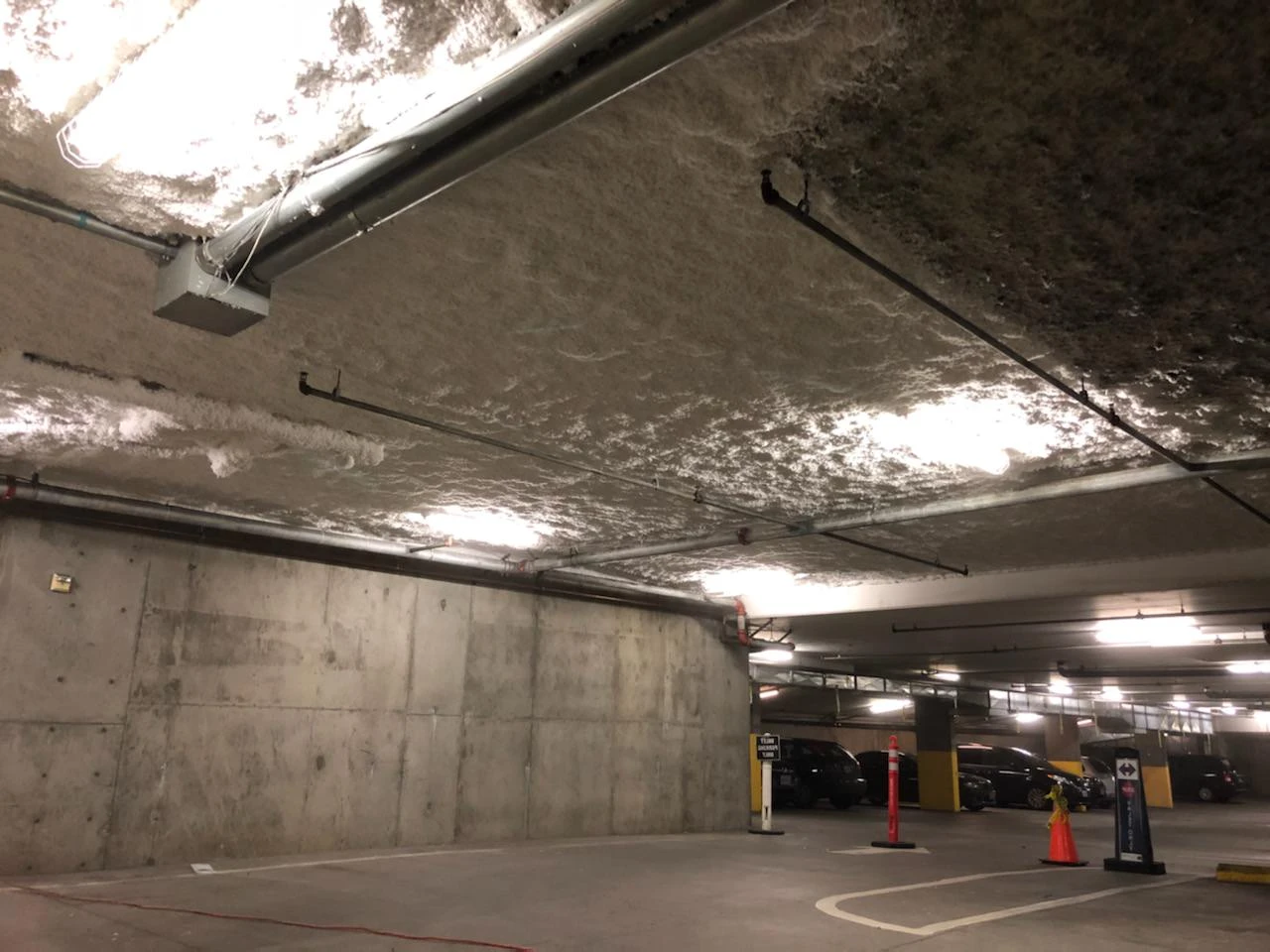
Thermal Barrier Coatings provide a protective layer designed to meet specific thermal or fire-protection requirements. Product selection and installation must follow applicable assembly specifications and manufacturer instructions.
Dense Pack Cellulose Contractor
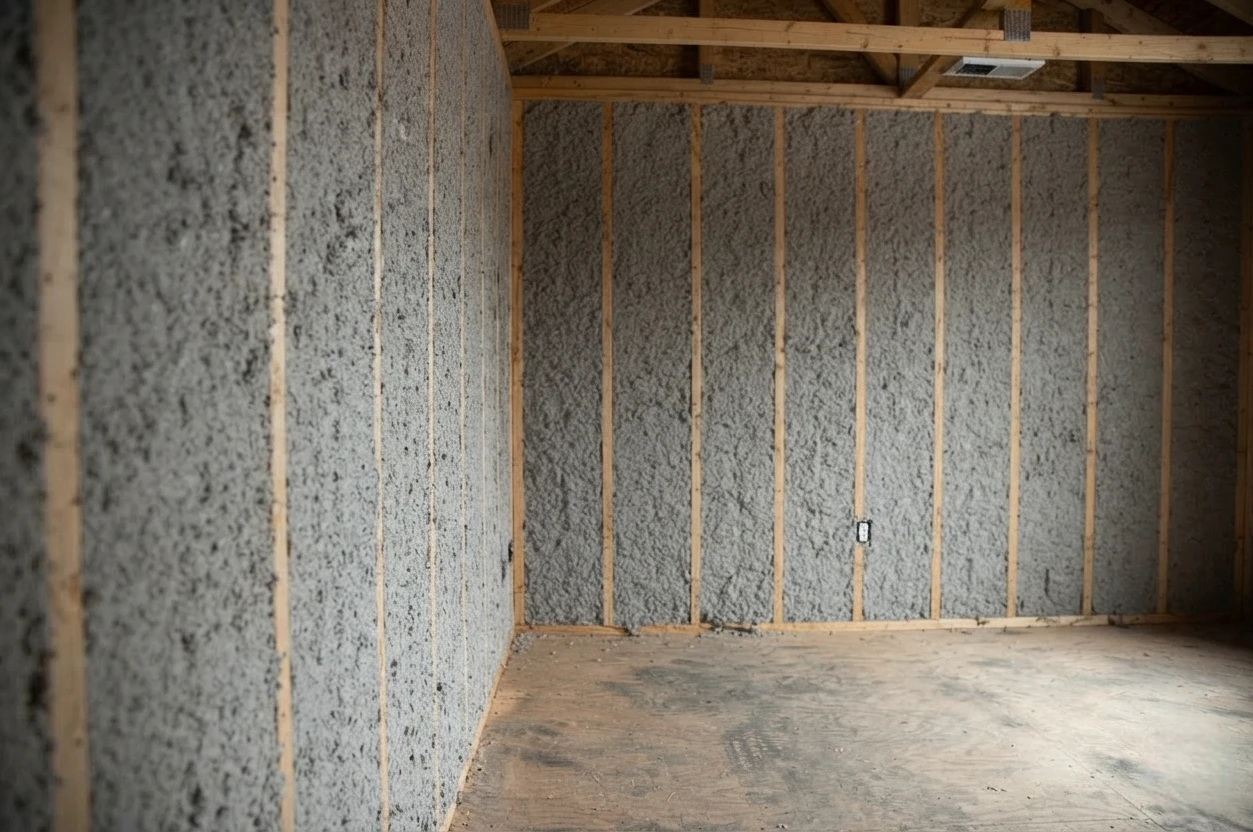
Dense Pack Cellulose Contractor services involve installing cellulose insulation at specified densities within suitable enclosed cavities. Proper installation can reduce voids and improve insulation coverage in existing walls and other assemblies.
Crawl Space Encapsulation Services
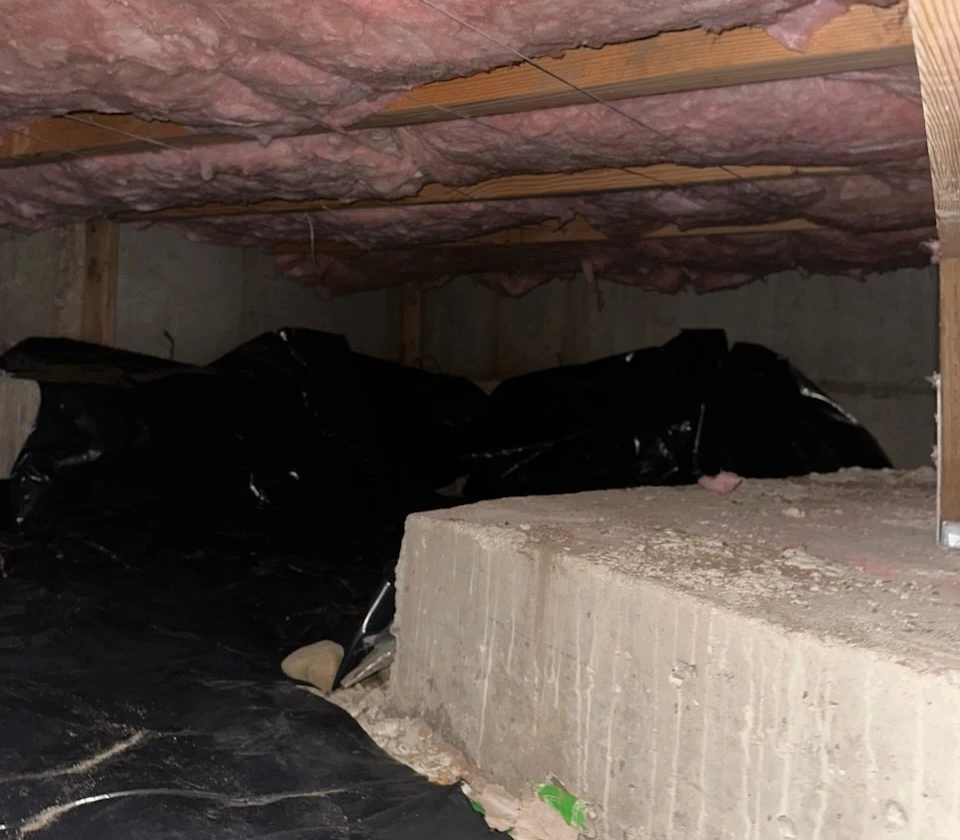
Crawl Space Encapsulation Services address ground moisture and uncontrolled air exchange through a crawl space. The system may include a ground vapor barrier and other measures selected for site conditions.
Batt Insulation Services
Batt Insulation Services provide pre-cut insulation materials for suitable wall, floor, and ceiling cavities. Correct sizing and careful fitting help reduce gaps around framing and other building components.
Soil Stabilization Services
Soil Stabilization Services address ground conditions that may affect construction or site performance. The appropriate method depends on soil characteristics, drainage, engineering requirements, and the intended use of the area.
Foundation Insulation Contractor
Foundation Insulation Contractor services help reduce heat transfer through compatible foundation walls and related assemblies. Installation choices depend on foundation type, moisture exposure, access, and applicable building requirements.
Exterior Insulation Contractor
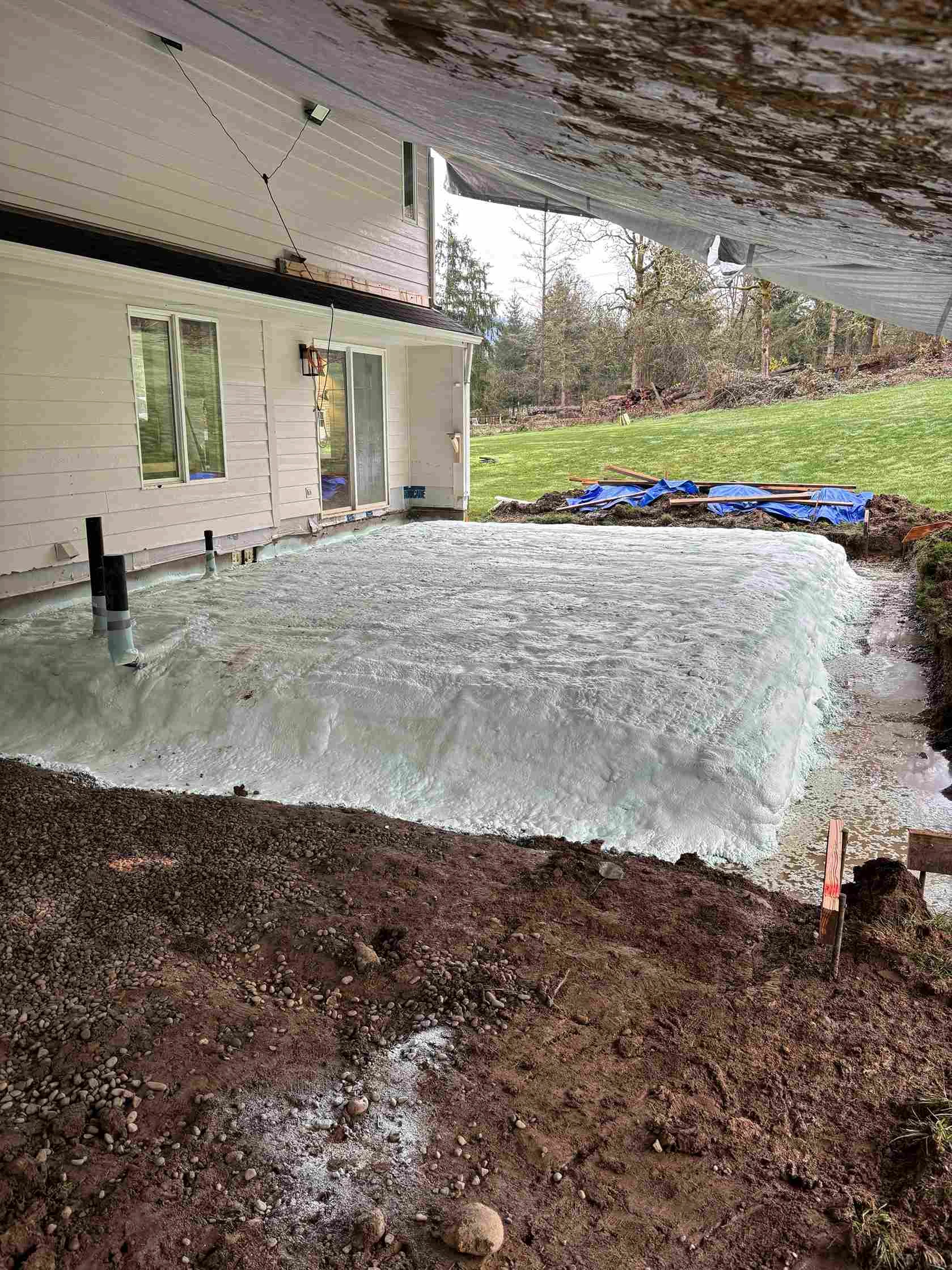
Exterior Insulation Contractor services add insulation to suitable building exteriors. The system must account for cladding, drainage, weather protection, attachment methods, and compatibility with the existing wall assembly.
Floor Insulation
Floor Insulation helps limit heat transfer between indoor spaces and unconditioned areas below. Assessment considers floor construction, crawl space conditions, moisture exposure, and the accessibility of the underside.
Foundation Repair
Foundation Repair addresses structural or material problems affecting a building's foundation. The appropriate repair depends on the cause and severity of the damage, which may require specialist assessment.
Wall Insulation
Wall Insulation reduces heat transfer through exterior walls and can support indoor comfort. Existing wall construction, cavity access, moisture conditions, and the selected material determine the installation approach.